
Last updated November 15, 2026
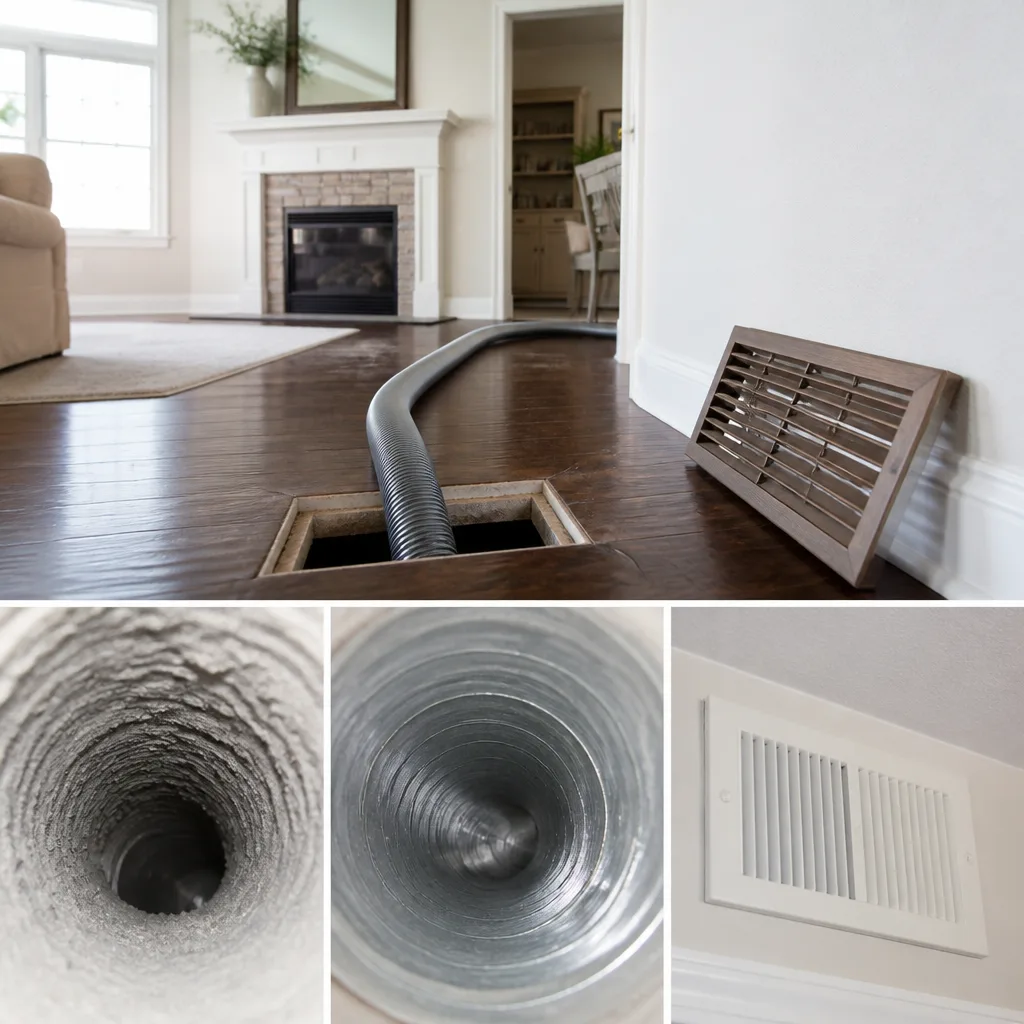 Whole-home duct cleaning
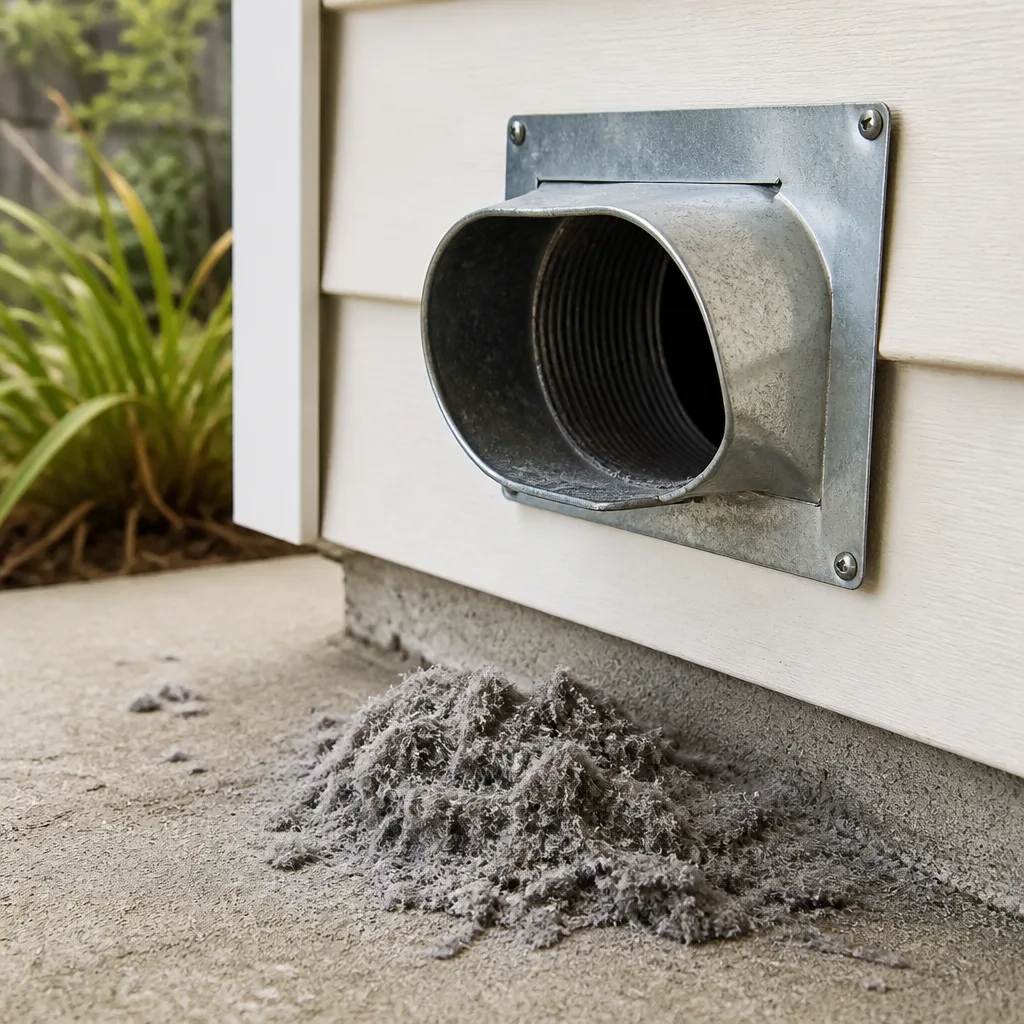 Dryer vent cleaning
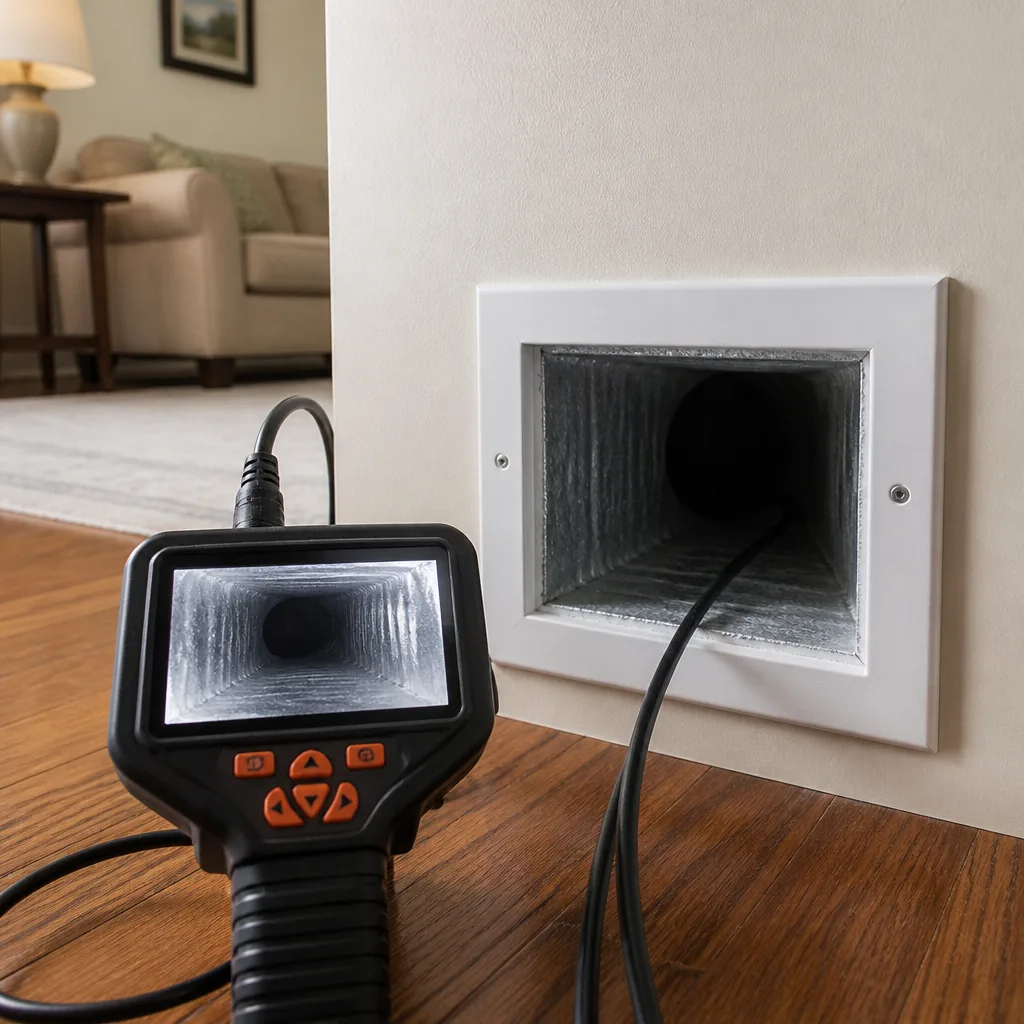 Camera inspection
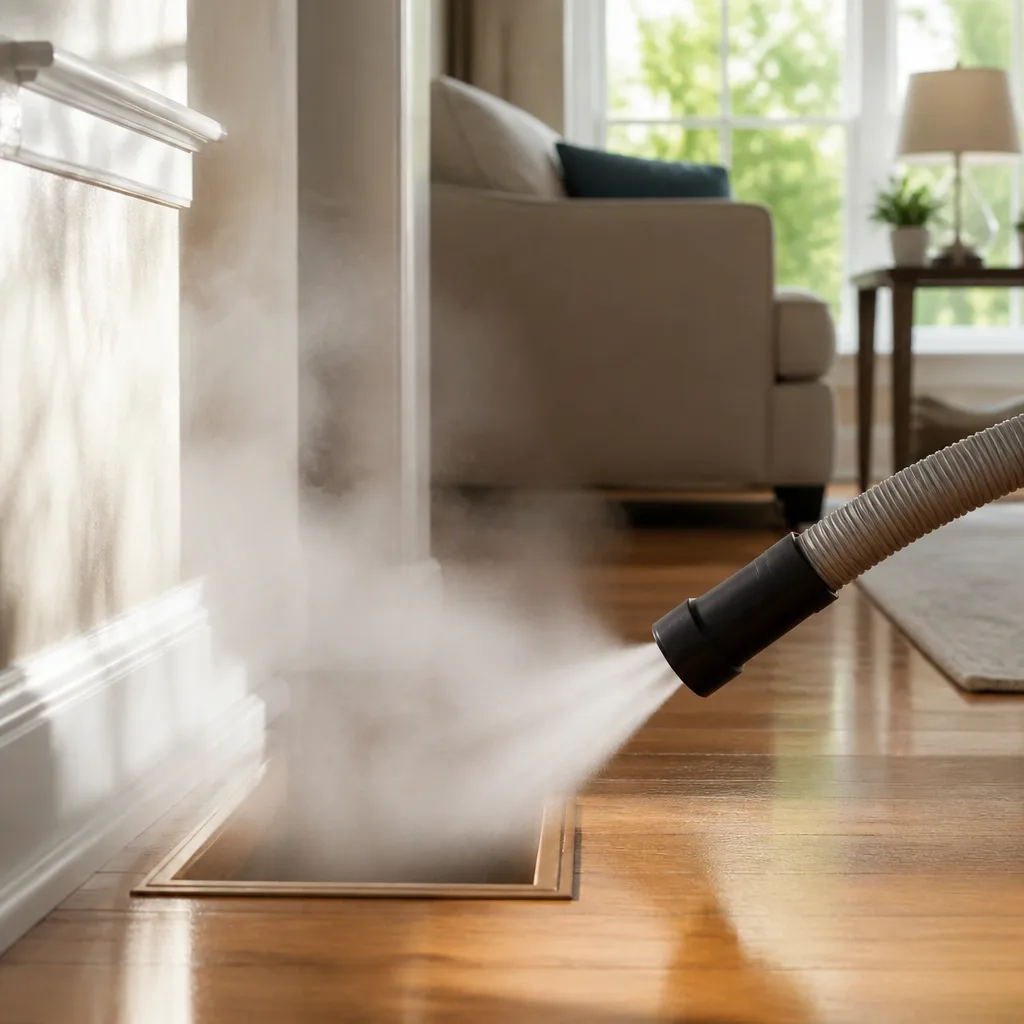 Sanitizing & deodorizing
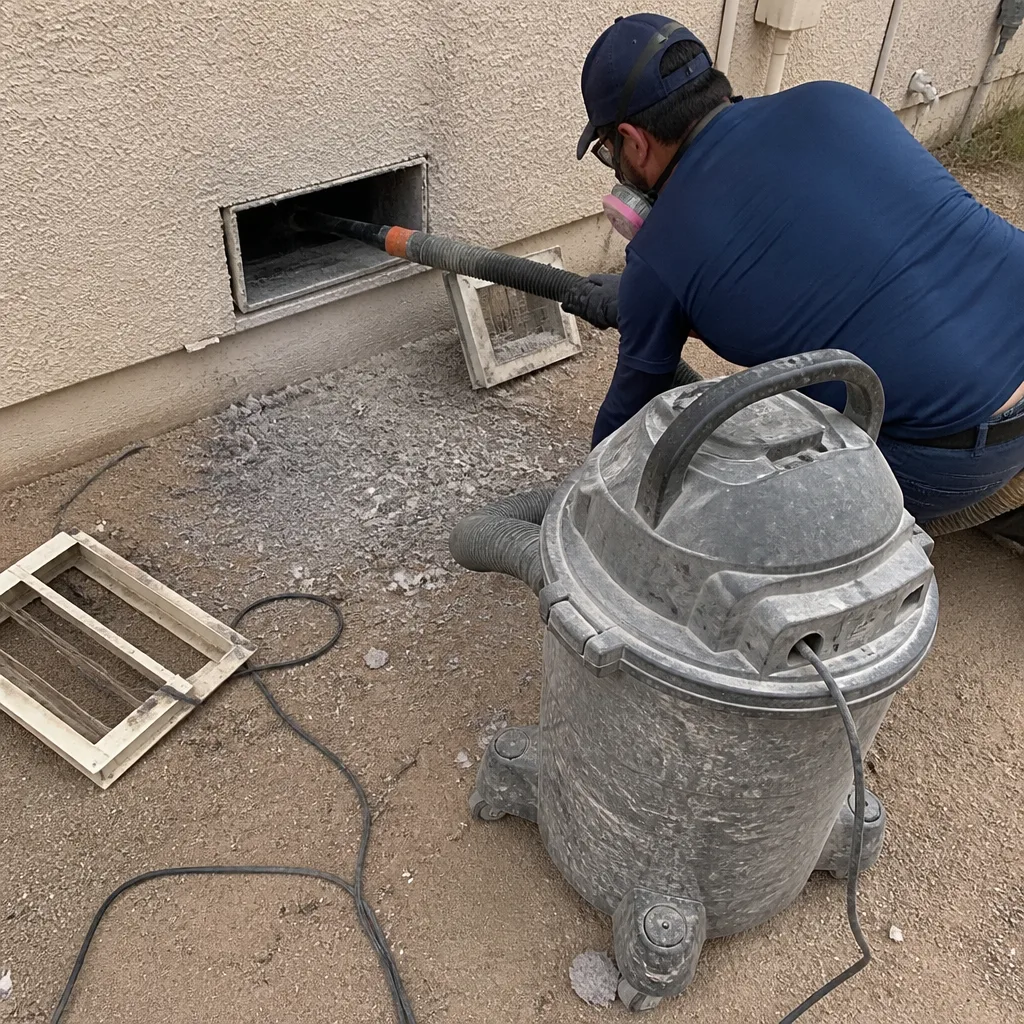
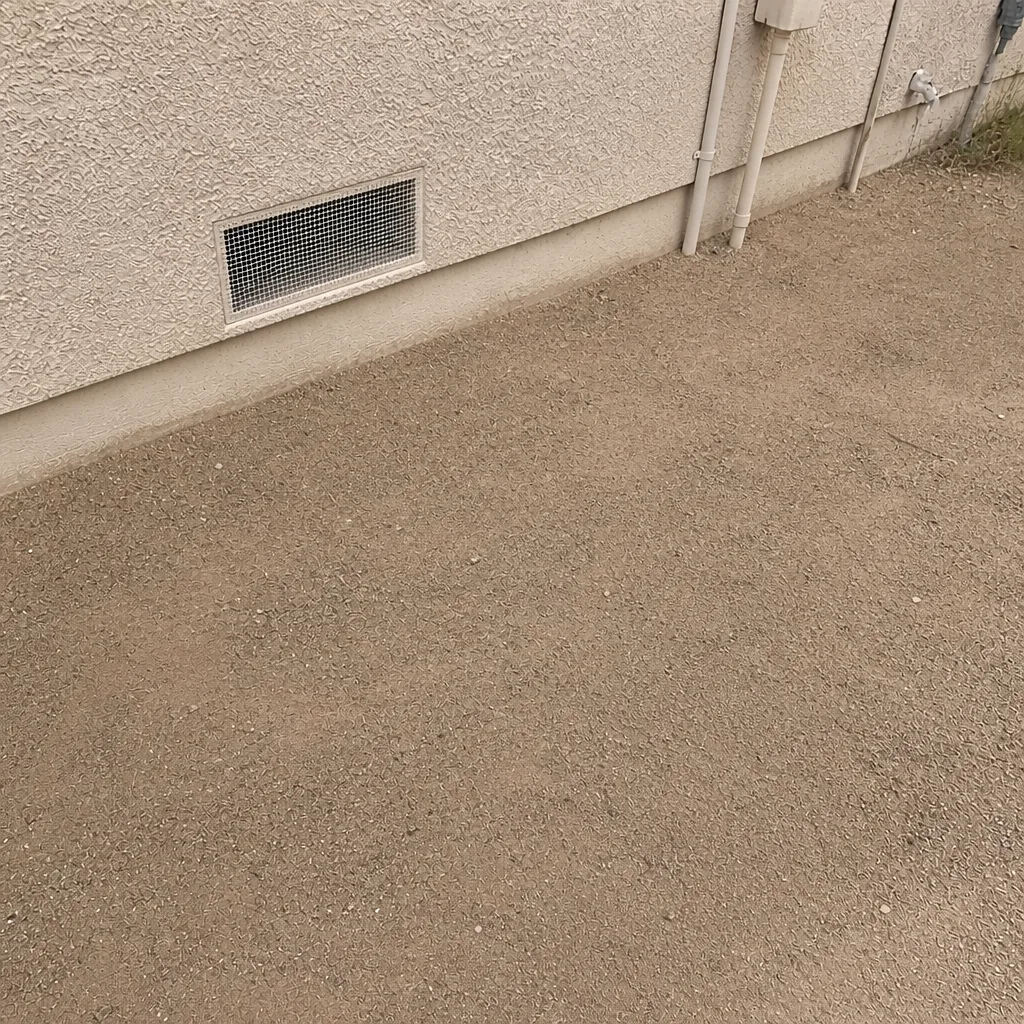
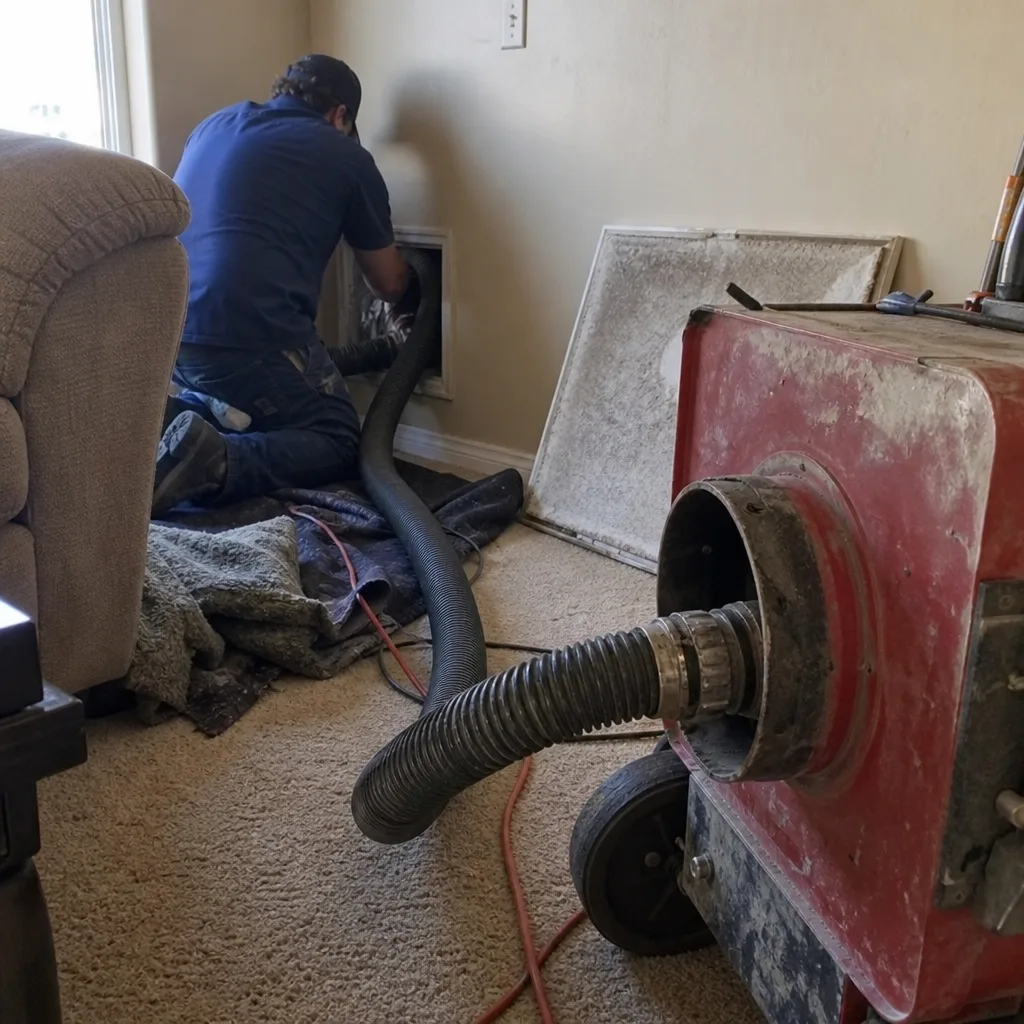
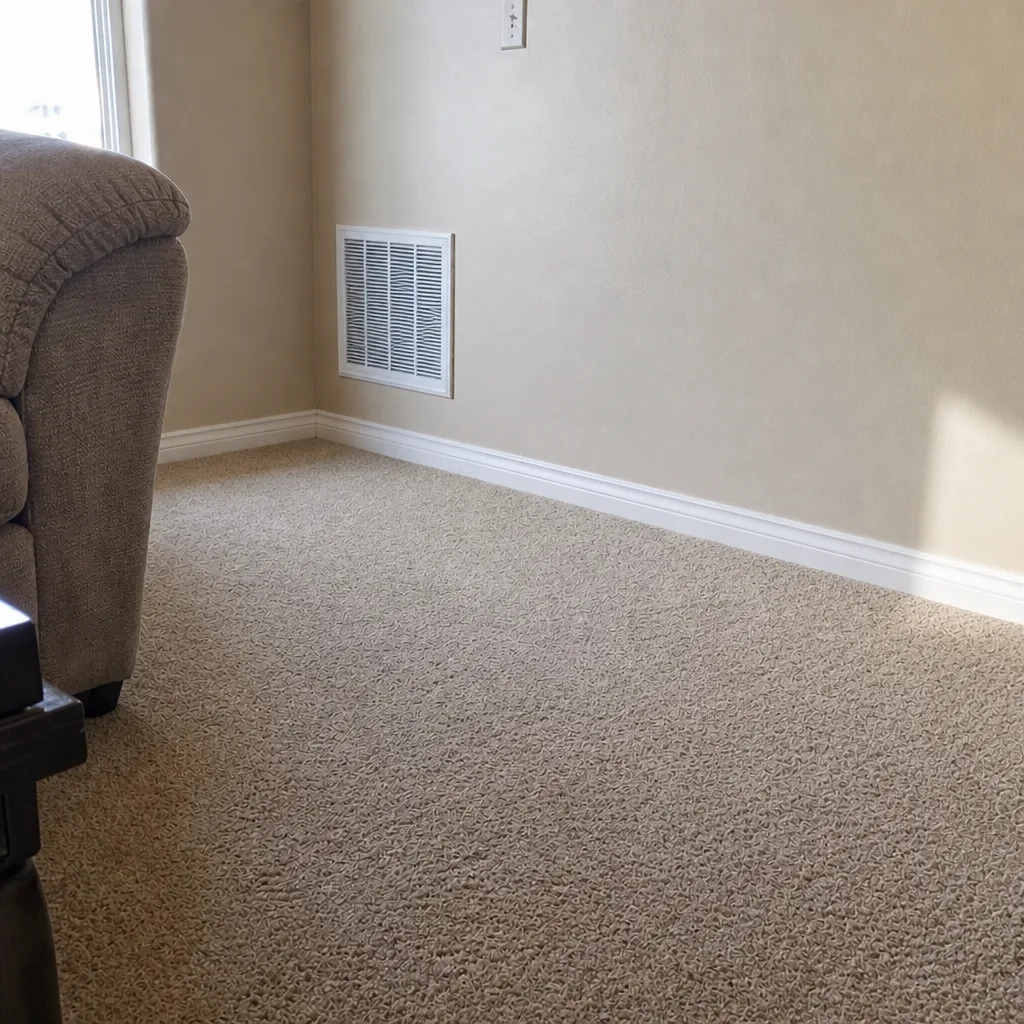
Whole-system duct and dryer vent check with before-and-after photos - you see exactly what came out of your vents
That "$99 whole-house special" is a bait ad - the real number appears once they are in your hallway, or the "clean" is a shop-vac at the register. We photograph the inside of your ducts before and after instead.
Choosing the Right Air Duct Cleaning Brand: A Buyer’s Guide for Buckeye
Online reviews for duct cleaning companies measure customer satisfaction, not cleaning effectiveness. A technician can be friendly, punctual, and leave your house spotless and still deliver a cleaning that accomplished very little inside the ducts themselves. That gap between a pleasant visit and a real result is the whole reason this guide exists. What separates one company from another is rarely the logo on the invoice. It’s the vacuum they hook up, the air pressure it moves, the agitation tools they run through the branches, and whether anyone bothers to explain any of it before you commit. We’ll walk through the questions that actually tell you something, so you can judge a Buckeye duct cleaning company on how the job gets done.
Quick Answer
The right air duct cleaning company in Buckeye is the one that will tell you exactly what equipment it uses, how it contains dust during the job, and how it verifies the work afterward. A serious specialist leans on professional negative-pressure vacuum systems and mechanical agitation tools, names them when asked, and can explain the process without getting defensive. Reviews help you judge service; equipment and process disclosure tell you whether the cleaning itself is real. Ask about the vacuum and the agitation method first, and the rest of the evaluation gets much simpler.
Styles & brands we work with
- Whole-home duct cleaning
- Dryer vent cleaning
- Camera inspection
- Sanitizing & deodorizing
Table of Contents
- Why Equipment Disclosure Is the Most Diagnostic Question You Can Ask
- How to Evaluate Process Transparency Before You Commit
- Duct Cleaning Specialist vs. HVAC Company Add-On
- Local vs. National Franchise: Who Owns the Truck and the Standard
- Using Technical Questions as a Screening Tool
- What Buckeye Homes Put Through Their Ducts
- Why Repair Capability Changes Who You Should Hire
- Dryer Vent Cleaning and the Safety Side of Ductwork
Why Equipment Disclosure Is the Most Diagnostic Question You Can Ask
A duct cleaning company’s vacuum is the single best window into how they work. Ask what machine they bring and listen closely to the answer. A professional negative-pressure vacuum pulls the loosened debris out of the system and holds it in a sealed collection unit, which is why the machine has to move serious air volume. That volume is measured in CFM, cubic feet per minute, and a company that understands its equipment can usually tell you roughly what its system is rated for. If the answer is vague (“we use a big vacuum”) or the person changes the subject, you’ve learned something useful.
Agitation matters just as much as suction. Dust, lint, and debris cling to duct walls, and suction alone won’t break that bond. Professionals run mechanical agitation tools through the branches to knock material loose so the vacuum can capture it. This is where the equipment gets specific: a Rotobrush system uses a rotating brush on a flexible shaft to scrub the interior of the duct, and a Nikro setup gives technicians powerful extraction to pair with that agitation. Both are industry-recognized names, and a company that invests in them is signaling that cleaning is the point of the visit, not an afterthought on a sales sheet.
A short list of equipment questions worth asking:
- What type of vacuum do you use? Look for a negative-pressure system, not a portable shop vac.
- Do you use mechanical agitation? Ask specifically about a rotating brush or air whip, not just “air pressure.”
- How do you contain dust during the job? A serious operator sets up containment so your home stays clean.
- How do you verify the ducts are actually clean? Ask whether they inspect before and after.
For a homeowner in Buckeye, these questions cut through the marketing faster than any star rating. A company can’t fake a CFM number or a brush system, and the answers either match the work or they don’t. If you want to understand what a full professional cleaning includes, our air duct cleaning page walks through the setup, the cleaning, and the verification step by step.
How to Evaluate Process Transparency Before You Commit
Process transparency is a screening tool, and it costs you nothing but a phone call. A company that can explain its setup, its containment method, and its post-cleaning verification before you’ve paid a deposit is a company that has thought about the job. One that can only talk about price and availability is telling you something about where its attention goes. You don’t need a technical background to use this. You just need to notice whether the explanation feels like a rehearsed pitch or an actual description of work.
Here’s the sequence a transparent company can walk you through without hesitation:
- Walkthrough and assessment. They look at your system layout, count the supply and return branches involved, and note anything unusual before quoting.
- Containment setup. They explain how they’ll keep dust from migrating into living spaces while the vacuum runs.
- Agitation and extraction. They describe running the brush or agitation tool through each branch with the vacuum pulling on the system.
- Verification. They inspect the cleaned runs and show you what they found, ideally with before-and-after photos of your actual ducts.
- Findings. If they spot disconnected joints, crushed runs, or torn flex duct, they tell you before they leave.
That last step is where process transparency turns into real value. Duct cleaning reveals things the eye can’t see from the register, and what happens after the discovery matters as much as the cleaning itself. A company that inspects, reports, and can act on what it finds is doing a different job than one that cleans and disappears. When you ask, “What happens if you find damage?” and the answer is specific, you’re talking to a specialist. In our experience, the willingness to explain the whole sequence is the clearest sign you’re dealing with someone who stands behind the work.
Duct Cleaning Specialist vs. HVAC Company Add-On
An HVAC company that offers duct cleaning as an add-on and a dedicated duct specialist are running two different businesses. The HVAC contractor’s core revenue comes from equipment installs, repairs, and maintenance agreements. Duct cleaning shows up on the menu because customers ask about it, not because it’s the reason the business exists. That doesn’t make the work bad, but it does change where the money goes. A specialist puts capital into cleaning-specific equipment because cleaning is the entire business, and technicians train on that equipment rather than picking it up between service calls.
Here’s how the two compare on the criteria that affect your ducts:
- Equipment investment. A specialist owns dedicated agitation and extraction systems. An add-on provider often uses whatever fits in the service van.
- Technician focus. Specialists clean ducts repeatedly and build pattern recognition for what damage looks like. Generalists split attention across many task types.
- Repair capability. Cleaning reveals damaged ductwork. A specialist that also repairs can address it in the same visit; a generalist may hand you off to another trade.
- Scope honesty. A specialist stays in its lane and does cleaning, repair, and dryer vent work well. A company doing everything may be doing none of it deeply.
This is the practical meaning of specialization for a Buckeye homeowner: the equipment you’re paying for is more likely to be on the job and in good working order. It’s worth asking directly, “Do you specialize in duct cleaning, or is it one of several services?” The answer shapes what you can expect when the technician arrives. If you want a sense of how a specialist frames the whole job, the main Duct Cleaning Buckeye page shows the scope of cleaning, repair, and dryer vent work as a single discipline.
Local vs. National Franchise: Who Owns the Truck and the Standard
Franchise or local isn’t a quality verdict on its own, but it changes who is accountable when something goes wrong. With a national franchise, the brand sets the process standard and the marketing, while a local owner runs the truck and holds the equipment. That split matters for you because the brand you called isn’t always the party doing the work. Understanding the structure tells you who to hold responsible and how much local knowledge sits behind the quote.
The operational differences worth understanding:
- Who owns the equipment. A local operator owns the vacuum and agitation tools outright, which makes equipment claims easier to verify. Franchise systems vary in how much equipment standardization reaches each location.
- Who sets the process. Franchise standards come from a corporate playbook. A local or independent company sets its own, which can mean more flexibility and more direct accountability.
- Who answers when something breaks. With a local operator, the conversation about a problem stays local. With a franchise, it can get passed between the location and the corporate office.
- How well they know the housing stock. A company working in Buckeye regularly has seen the range of duct layouts common in the area and can anticipate what a given home needs.
The practical takeaway is to find out who stands behind the quote. Ask, “Who owns the equipment that will be in my home, and who is accountable if the job goes wrong?” That question tends to get a clearer answer from an independent operator than from a corporate script. In Buckeye, you’re hiring a process and a person more than a logo, and the local structure usually makes the process easier to trace.
Using Technical Questions as a Screening Tool
You don’t need to be an expert to judge one. The way a company handles informed questions tells you almost as much as the equipment in its truck. A knowledgeable contractor will explain its method without getting defensive because it has a real answer and takes the question seriously. Defensiveness, dodging, or a fast pivot to price is a warning sign. These calls cost you five minutes and rarely waste your time.
Try these questions on the next company you call:
- “What’s the air volume rating on your vacuum?” A company that knows its equipment can give you a general range or explain why it matters.
- “How do you keep dust from spreading through my house?” Listen for a specific containment method, not a reassurance.
- “What agitation tools do you use on the branches?” Rotating brush, air whip, or similar mechanical tools are the right answer here.
- “Will I see the ducts after the cleaning?” Before-and-after photos of your own system are the clearest proof of work done.
- “What’s your process if you find damaged ductwork?” A repair-capable specialist answers with a plan, not a referral.
A confident, specific answer is what you’re looking for. So is a technician who pulls out a phone and shows you what a finished run looks like. That kind of willingness to demonstrate rather than describe is the mark of someone who expects to be verified. We’d rather get asked these questions than not: a homeowner who understands the process is a homeowner who can judge the outcome.
What Buckeye Homes Put Through Their Ducts
Buckeye’s desert setting shapes what ends up in a duct system. Fine dust is part of daily life in the Arizona desert, and it finds its way into homes whether the windows are closed or not. Dry air means static and loose particulate, and the seasonal dust storms that roll through the region push more of it into the air and into the return side of a system. None of that is cause for alarm, but it does mean duct cleaning in Buckeye is often about accumulated desert dust rather than the humidity-driven problems you’d see in wetter climates.
Add the new-construction reality. Buckeye has grown quickly, and a lot of homes here are relatively new. New construction generates a specific problem set for ducts: drywall dust, sawdust, and construction debris routinely migrate into ductwork during the build, and if a system runs before a proper cleaning, that material makes its way into every room. A recent renovation produces the same effect. So does a home purchase, when a buyer has no idea what the previous occupants’ ducts have been through.
The local context that should shape your evaluation:
- Dust load. Desert particulate accumulates steadily, so agitation and extraction quality matters more than a quick pass.
- New homes and remodels. Construction debris in ducts is common in newly built or recently renovated Buckeye homes.
- Allergy and respiratory sensitivity. Households with allergy concerns benefit most from proper contaminant capture during cleaning, which is where filtration equipment earns its keep.
- System compatibility. Many homes use Honeywell or Aprilaire air-quality components, so a company familiar with those systems can work with what’s already installed.
Our technicians have up to 14 years of experience with these conditions, and we’ve seen how much difference proper containment and filtration make on a dusty desert job. Abatement Technologies air filtration equipment is part of how we approach contaminant capture. If you want to see how we handle the local housing stock, the Buckeye page covers the area in detail.
Why Repair Capability Changes Who You Should Hire
Cleaning reveals damage. That’s not a sales line; it’s the natural consequence of putting light into places no one has looked. Once ducts are opened up and inspected, technicians routinely find disconnected joints, crushed or kinked flex runs, torn duct liner, and sections that were never sealed properly in the first place. A cleaning-only company has to walk away from all of it. A company that repairs ductwork can fix what it finds and leave you with a system that actually performs.
Why this matters for the hiring decision:
- Leaky ducts waste money. Disconnected or unsealed runs leak conditioned air into attics and crawl spaces, which makes your system work harder than it should.
- One visit, one accountability. Cleaning and repair under one provider means the person who found the problem is the person who fixes it.
- Fewer hand-offs. You don’t have to book a second contractor, re-explain the situation, and hope the two trades agree.
- Verification is simpler. The same company confirms the system is clean and sound before it leaves.
Ask any company you’re considering whether it repairs ductwork or only cleans it. A specialist that offers both will say so clearly because it’s part of how they work: clean, inspect, and fix if the inspection turns up damage. That’s a different level of service than a cleaning visit that ends with a list of problems and a shrug. For a Buckeye homeowner, the ability to resolve what turns up in the system is worth confirming before you book.
Dryer Vent Cleaning and the Safety Side of Ductwork
Dryer vent cleaning sits on the safety side of the same trade, and a company’s approach to it says a lot about how seriously it takes the work. Lint buildup in a dryer vent restricts airflow, makes the dryer run longer and hotter, and contributes to a leading cause of residential house fires. That’s not a scare tactic; it’s why the service exists. A duct specialist that treats dryer vent cleaning as a core service rather than a cheap upsell is signaling that home safety is part of the job, not a line item.
Signs worth paying attention to:
- Clothes take longer than one cycle to dry. Reduced airflow is the usual cause.
- The dryer feels hot to the touch or the top of the machine gets unusually warm.
- The outside vent flap barely opens or lint is visible around the vent hood.
- A burning or musty smell when the dryer runs.
- It’s been a long while since the vent was last cleaned and no one can say when.
We treat this as a dedicated fire-safety service, not an afterthought tacked onto a duct cleaning invoice. That means the same professional-grade approach applied to the vent run, with proper extraction rather than a quick surface wipe. If you’re having your ducts evaluated, it’s worth having the dryer vent looked at in the same conversation. The dryer vent cleaning page explains what the service involves and what to expect.
Common Mistakes to Avoid
- Letting reviews do all the deciding. A five-star review tells you the technician was pleasant and tidy. It doesn’t tell you the vacuum pulled enough air or the branches were agitated. Use reviews to judge service and equipment questions to judge the cleaning.
- Choosing on price alone. The lowest quote often reflects the least equipment and the shortest time on the job. In a dusty Buckeye home, an under-equipped cleaning can leave more material behind than it removes.
- Not asking what equipment shows up. If nobody can name the vacuum or the agitation tool, you have no way to judge whether a real cleaning is happening.
- Hiring an HVAC company for a duct job and expecting specialist work. Cleaning as an add-on tends to get add-on attention. If ducts are the concern, hire someone whose business is ducts.
- Skipping the inspection step. Cleaning without checking for disconnected joints, crushed runs, and torn liner leaves real problems in place. Ask what happens when damage turns up.
- Overlooking the dryer vent. Homeowners focused on air quality often forget the one duct run most tied to household fire risk. Have it evaluated while a specialist is already there.
- Assuming new construction means clean ducts. Drywall dust and construction debris are common in newer Buckeye homes. A recent build is a reason to check, not a reason to skip.
See the difference
 Before
 After
 Before
 After
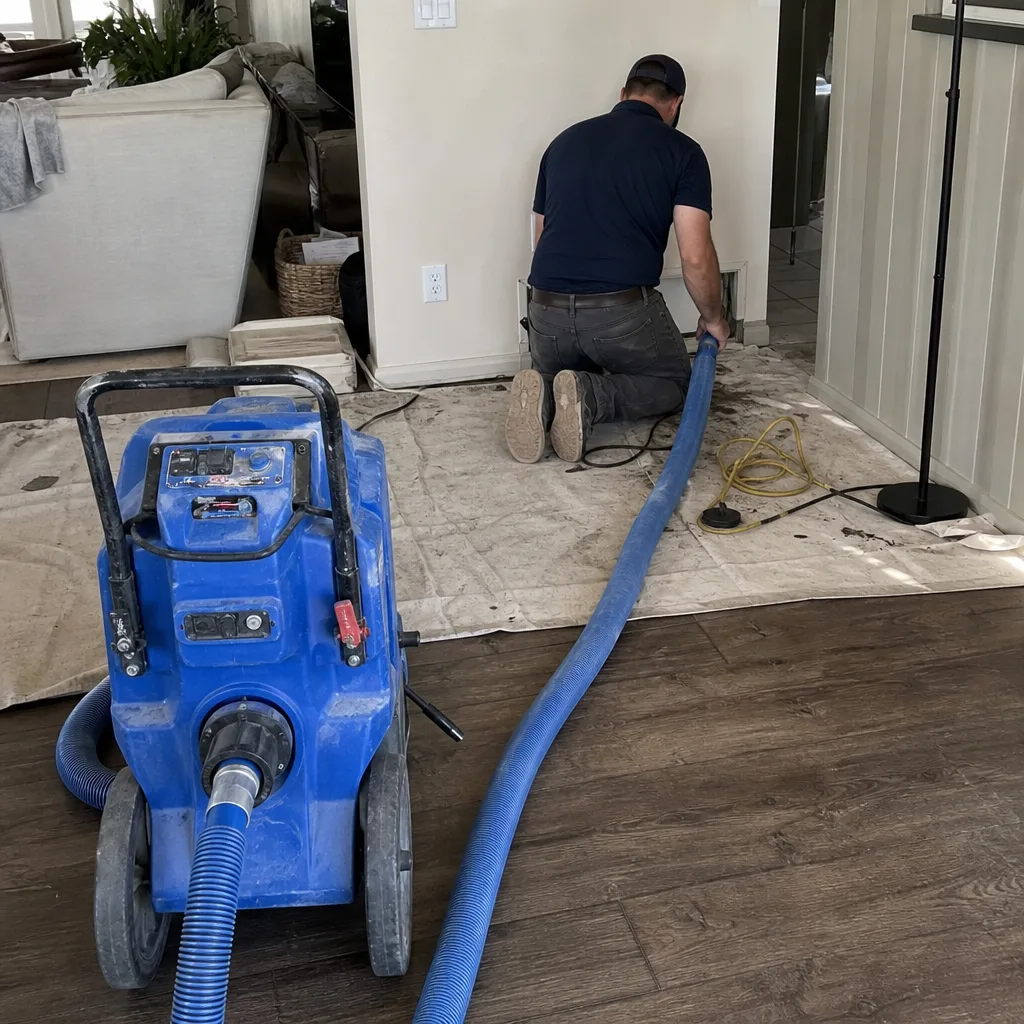 Before
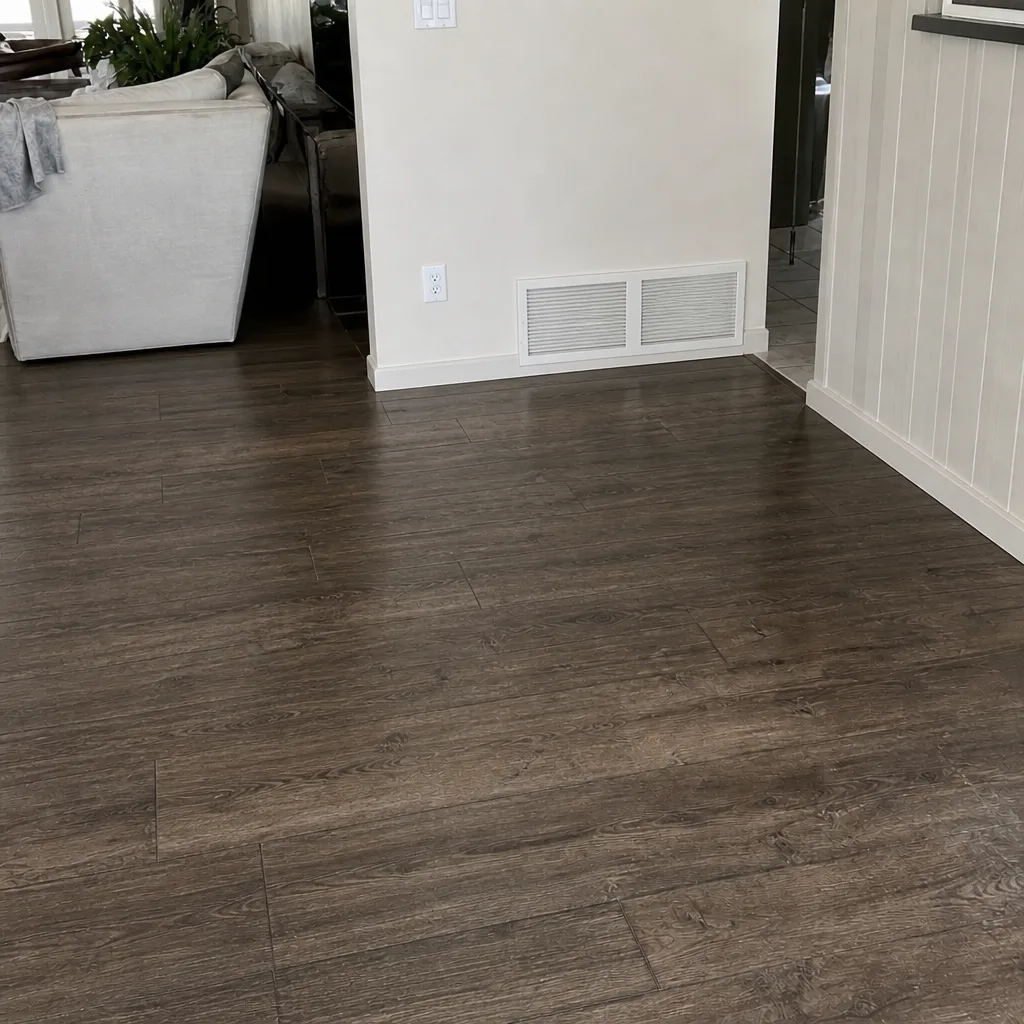 After
When to Call a Professional
Some situations call for a specialist rather than a wait-and-see approach. If anyone in the home deals with allergies or respiratory sensitivity, if you’ve just finished a renovation or moved into a recently built home where construction debris may have entered the ducts, or if you’re buying a house and don’t know the ductwork’s history, it’s worth having the system evaluated. Visible dust blowing from registers, a musty smell when the system runs, or uneven airflow between rooms are all signals to bring someone in. And if your dryer takes more than one cycle to dry a load, have the vent looked at soon.
Duct Cleaning Buckeye offers free estimates in Buckeye, so call (866) 361-5107 when you’re ready to have the system looked at by someone who can clean it, inspect it, and repair it if needed.
Frequently Asked Questions
Whole-system air duct cleaning in Buckeye typically runs in a range that depends on the number of supply and return branches, the system’s size and layout, and whether repair is needed. We quote per system rather than per vent, so you get one flat price covering the whole job, agreed before work starts. Call (866) 361-5107 for an exact quote; estimates are free.
A much cheaper quote usually reflects much less equipment and less time on the job, not a better deal. Cutting corners often means less powerful suction, no mechanical agitation, and minimal containment, which leaves debris in place. Ask what vacuum and agitation tools are used and whether the quote covers the entire system. Call (866) 361-5107 to compare a process-based estimate.
You know the work was done when you can see it: before-and-after photos of your own ducts, an inspection of the cleaned runs, and a technician who walks you through what was found. A company that verifies its work invites you to check. Call (866) 361-5107 to schedule a cleaning with documented before-and-after photos.
There’s no fixed schedule that fits every home. Desert dust, recent renovations, new construction, pets, and allergy concerns all shift the timeline, and many Buckeye households find a cleaning is worth considering after a remodel or move-in rather than on a strict calendar. Ask for an inspection and let the condition of the system guide the decision. Call (866) 361-5107 for an assessment.
Yes. Duct repair is a core service alongside cleaning, so if we find disconnected joints, crushed runs, or torn liner during a cleaning, we can address it rather than hand you off to another contractor. That’s the practical benefit of hiring a specialist that does both. Call (866) 361-5107 to discuss what your system needs.
We do, and we treat dryer vent cleaning as a dedicated fire-safety service rather than an add-on. Lint buildup restricts airflow and contributes to a leading cause of residential house fires, so it deserves the same professional approach as duct cleaning. Call (866) 361-5107 to have the vent evaluated.
The Bottom Line
Choosing an air duct cleaning company in Buckeye comes down to operational specifics you can ask about before you book. Equipment matters: a professional negative-pressure vacuum with real air volume and mechanical agitation tools like a Rotobrush or Nikro system do the actual cleaning. Process matters: containment, setup, and post-cleaning verification separate a real job from a quick pass. Specialization matters: a duct specialist invests in cleaning equipment and can repair what the inspection reveals. And transparency matters most of all, because a company willing to explain its method is a company you can hold to it. Reviews tell you about service. These criteria tell you about the work.
If you’d like to put those questions to us directly, Duct Cleaning Buckeye offers free estimates. We’ll talk you through the equipment, the containment, and the verification step, and give you one flat price per system before any work begins. Call (866) 361-5107. We answer 24/7. Fast dispatch from 7am to 7pm, Sunday through Friday, and we’re closed Saturday.
Written by the team at Duct Cleaning Buckeye.