
Last updated November 15, 2026
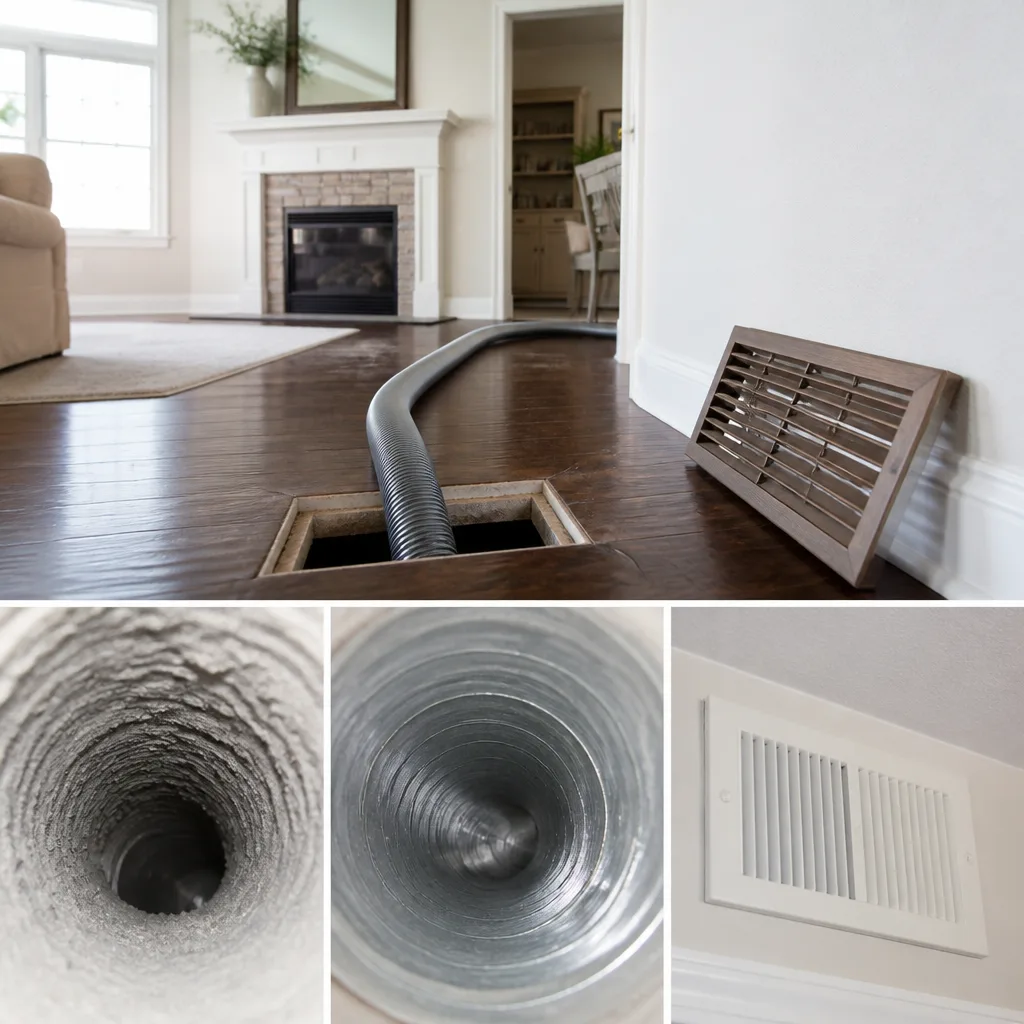 Whole-home duct cleaning
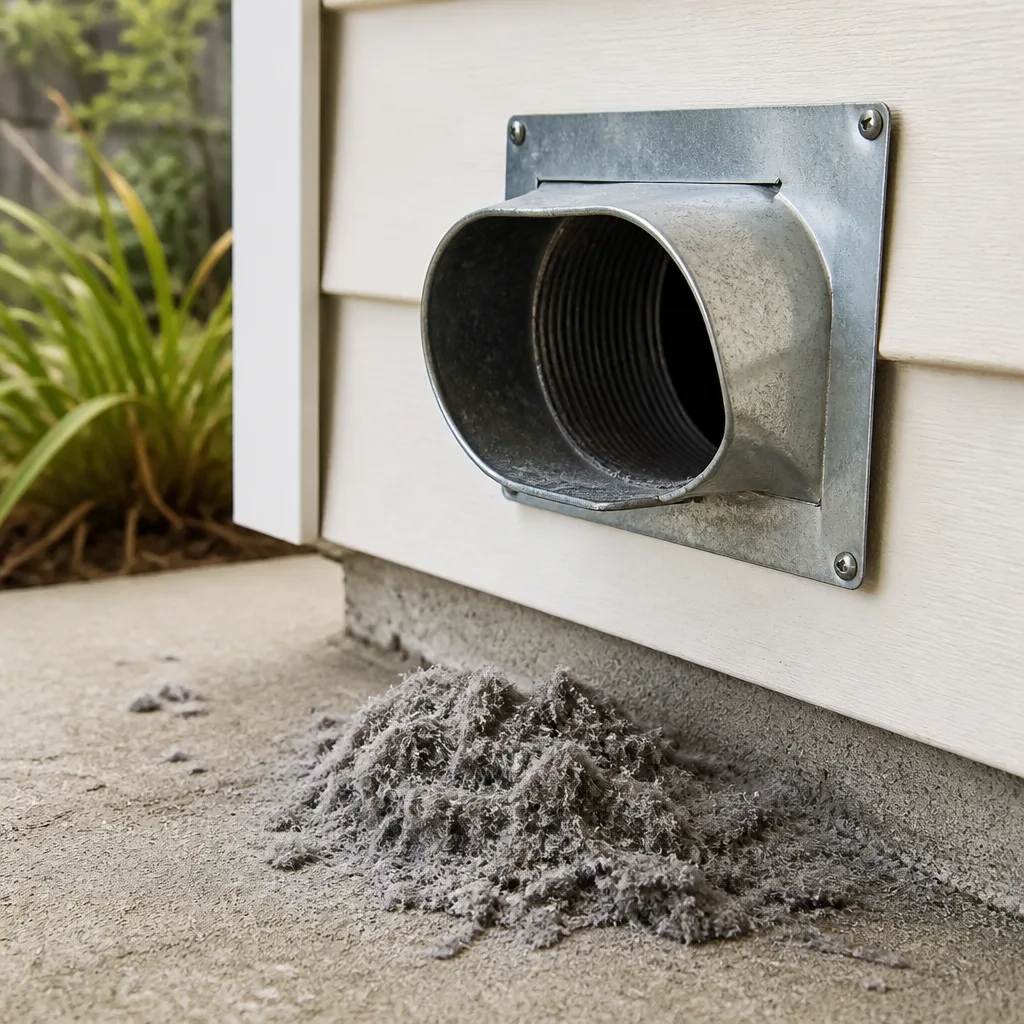 Dryer vent cleaning
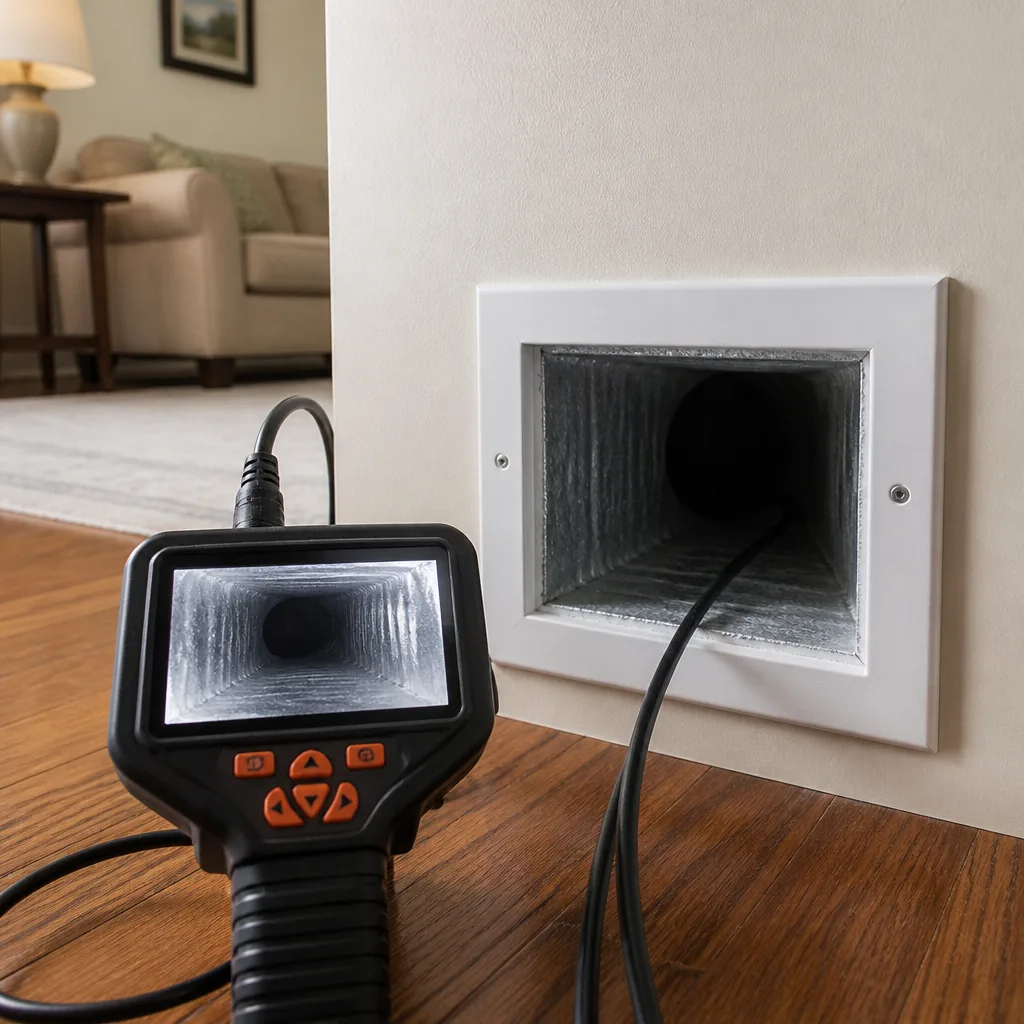 Camera inspection
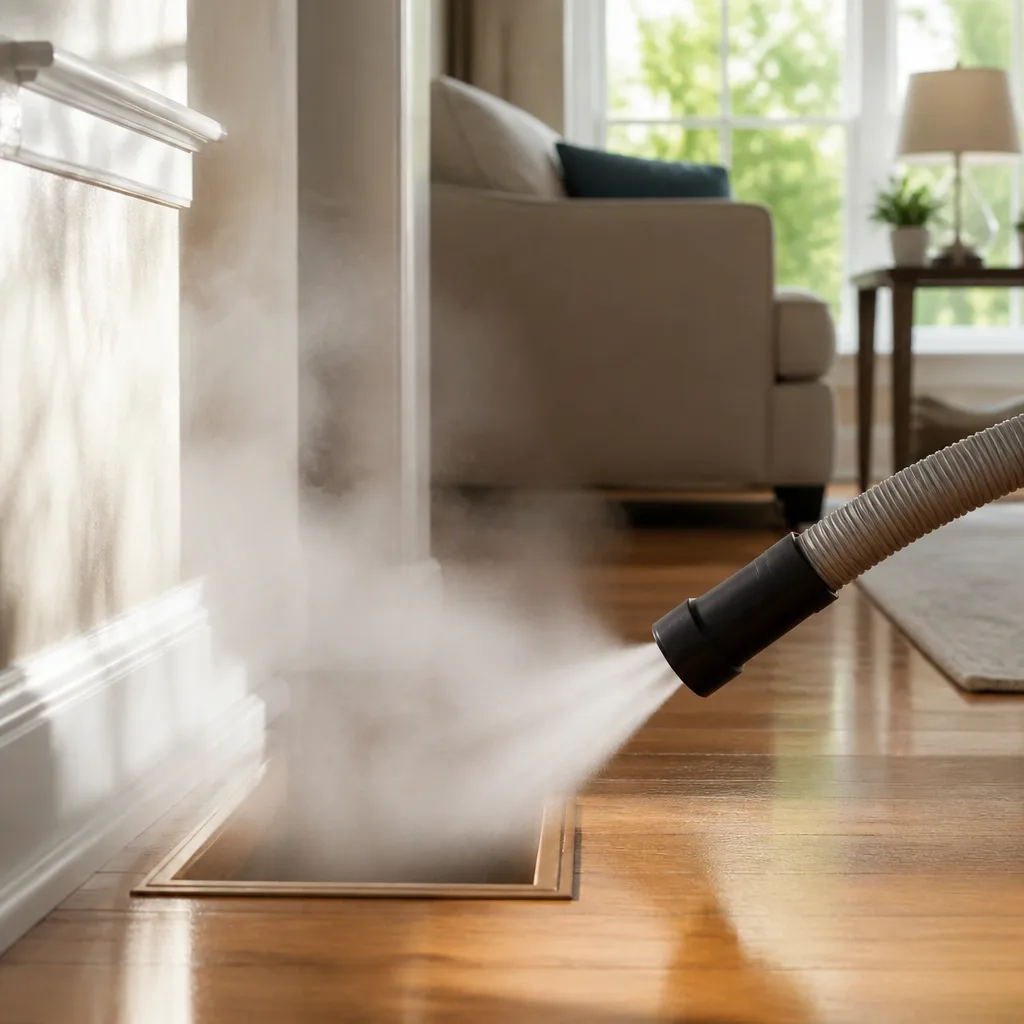 Sanitizing & deodorizing
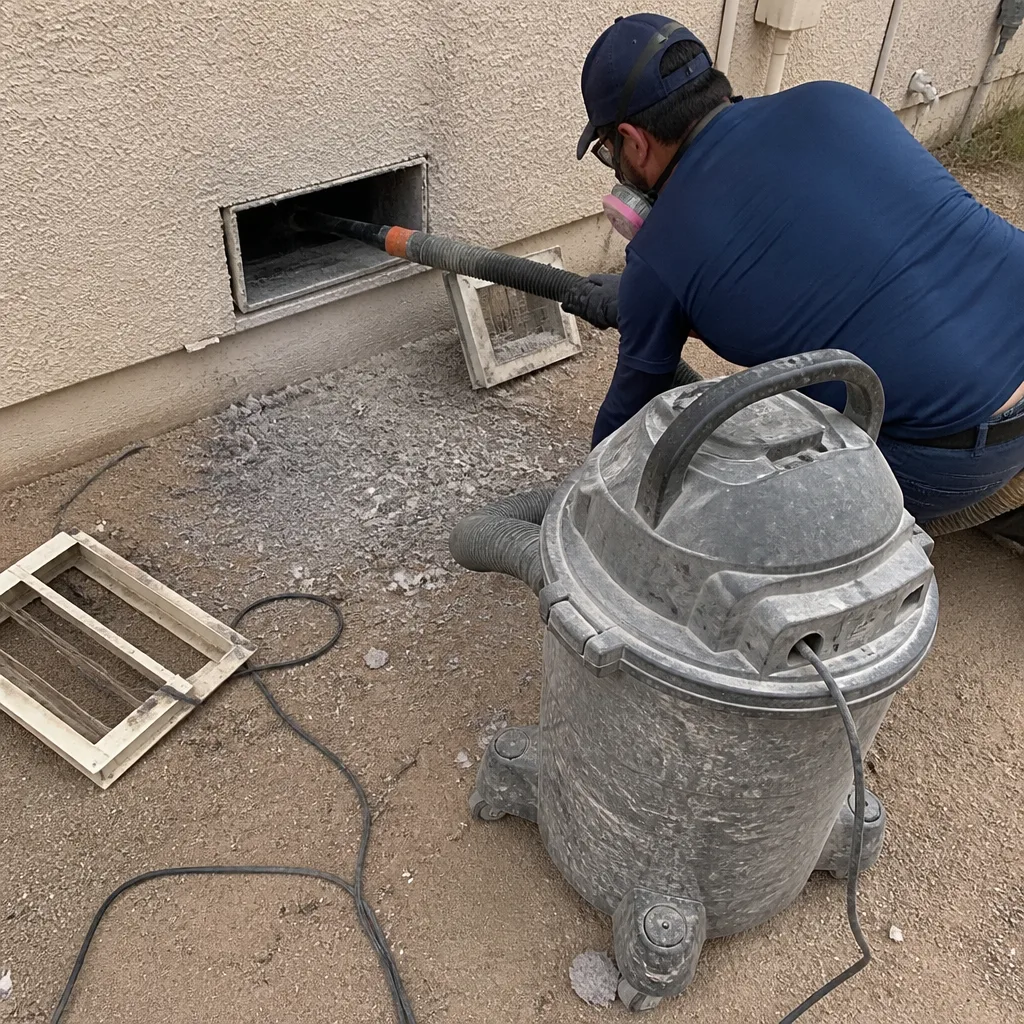
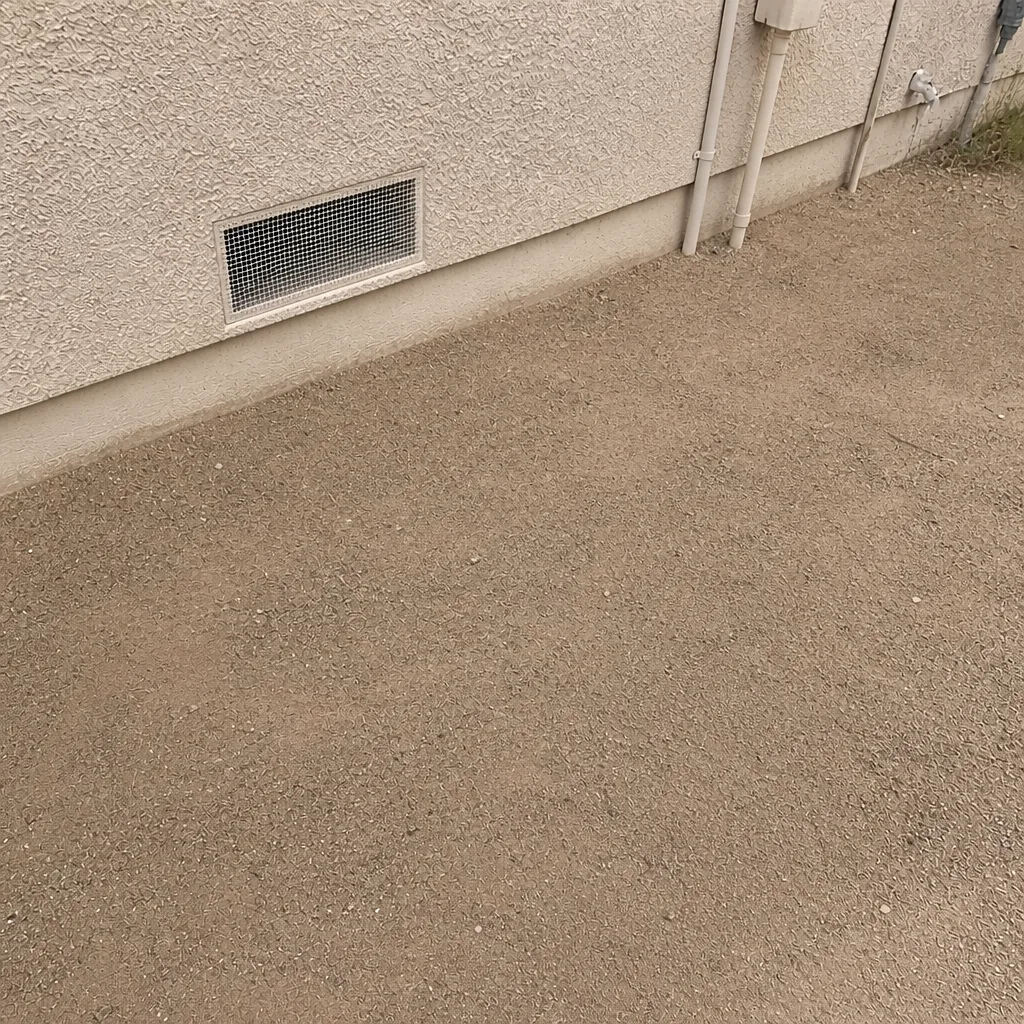
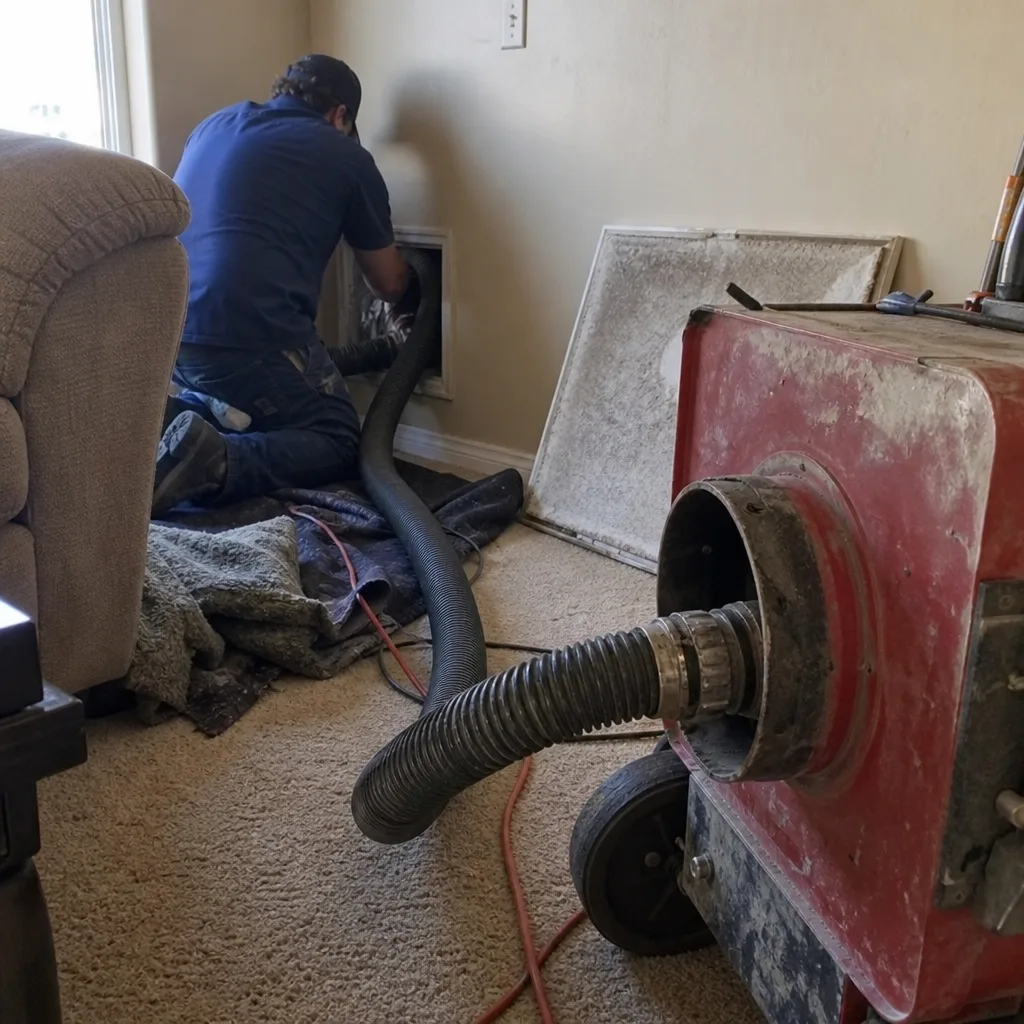
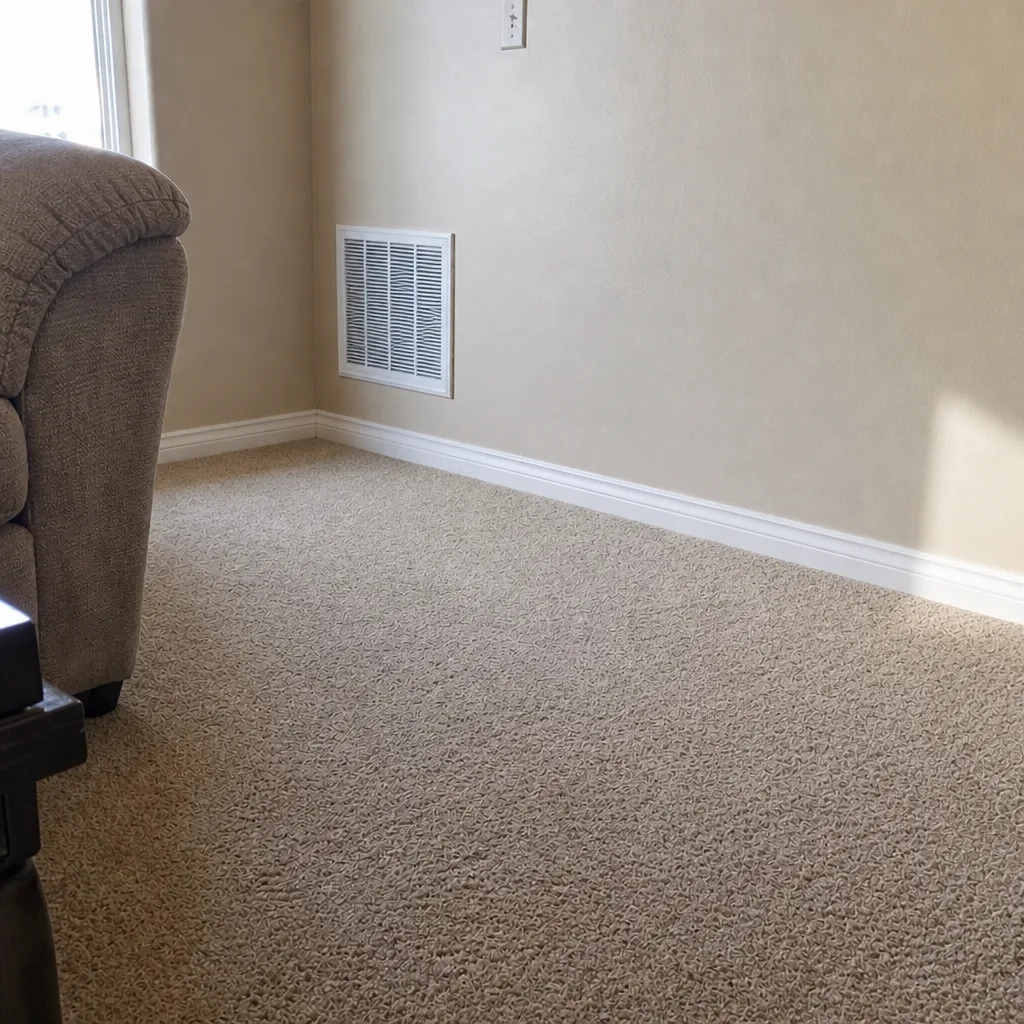
Whole-system duct and dryer vent check with before-and-after photos - you see exactly what came out of your vents
That "$99 whole-house special" is a bait ad - the real number appears once they are in your hallway, or the "clean" is a shop-vac at the register. We photograph the inside of your ducts before and after instead.
DIY vs Professional Air Duct Cleaning: The Buckeye Homeowner’s Decision Guide
A shop vac attached to a dryer vent brush can clean a register grille. It cannot clean a duct. Those are physically different tasks, and conflating them is how homeowners spend an afternoon and accomplish almost nothing. The DIY versus professional question for duct cleaning isn’t really about skill level, and it isn’t about whether you’re handy enough. It’s about equipment physics – specifically, whether the machine at the end of the hose can generate the negative pressure required to pull debris out of a duct instead of just stirring it around. This guide explains what consumer vacuums can and can’t do, what you can legitimately handle yourself in a Buckeye home, and where DIY stops being useful.
Quick Answer
DIY air duct cleaning is genuinely useful for register grilles, return covers, filter changes, and visual inspection, but it cannot perform source removal inside the ductwork. Professional cleaning is required because source-removal equipment generates the airflow and negative pressure needed to agitate and extract debris through the system, which consumer vacuums can’t produce. For a Buckeye home with a renovation, pest history, verified mold, or ductwork older than 15 years with no service record, professional cleaning isn’t optional.
Styles & brands we work with
- Whole-home duct cleaning
- Dryer vent cleaning
- Camera inspection
- Sanitizing & deodorizing
Table of Contents
- Why Duct Cleaning Is an Equipment Problem, Not a Skill Problem
- The CFM and Static Pressure Numbers That Decide the Question
- What You Can Legitimately Do Yourself
- The Hidden Risk of Partial DIY Attempts
- When Professional Cleaning Is Non-Negotiable
- How to Make a Professional Appointment More Efficient
- What Makes Duct Cleaning in Buckeye Different
- Common Mistakes to Avoid
Why Duct Cleaning Is an Equipment Problem, Not a Skill Problem
Source removal is the standard the duct cleaning industry measures itself against. It means the debris that has settled on the interior surfaces of the ductwork is physically dislodged and carried out of the system, not just moved around inside it. Two things have to happen at once for that to work: the debris has to be agitated off the duct wall, and there has to be enough sustained negative pressure at the extraction point to pull it toward the vacuum rather than letting it settle back down.
A consumer shop vac can do the second part on a very small scale. It cannot do both at once across a whole duct run, and that’s the gap. When we clean a duct system in Buckeye, the equipment on the job – Rotobrush and Nikro systems – is built to agitate the duct interior while pulling a continuous volume of air back toward the machine. The agitation and the extraction happen together, which is the only way to get a duct interior genuinely clean rather than just disturbed.
There’s also filtration to think about. Any cleaning process that puts debris into the air has to capture it before it lands in your living room. That’s why we use Abatement Technologies filtration equipment on the job: the point is to capture contaminants at the machine, not to recirculate them into the home. A shop vac with a standard filter is doing none of that at any meaningful scale.
None of this is a knock on homeowners. A duct system is a piece of building infrastructure with specific airflow characteristics, and the equipment that services it is specialized for the same reason a torque wrench is different from a screwdriver. The task isn’t hard. The tool is.
The CFM and Static Pressure Numbers That Decide the Question
CFM (cubic feet per minute) measures airflow volume. Static pressure, measured in inches of water column, is the resistance the system is working against. Duct cleaning equipment is designed to move a high volume of air while overcoming the static pressure resistance of a long, branching duct system. Consumer vacuums are designed to move air through a short hose at low resistance, which is a completely different job.
Here’s the practical comparison:
- Consumer shop vacs are typically rated on water lift and peak airflow through a short, wide hose. Put a 25- or 50-foot cleaning hose on one and the airflow drops sharply because the hose itself becomes the dominant resistance.
- Professional duct cleaning systems like the Rotobrush and Nikro equipment we run are built around long hose runs and high static pressure. The machine doesn’t lose its working capacity because the duct system is long or branchy.
- Agitation matters as much as suction. A vacuum pulling on a settled layer of dust on a duct wall will pull very little, because the dust is adhered. Professional systems use rotating brushes and air whips to break that layer loose while the suction carries it away.
- Containment is part of the equipment. Anything that isn’t captured at the machine ends up in the room. Filtration has to be sized to the airflow, not bolted on as an afterthought.
What homeowners typically do with a shop vac is push a brush a few feet into a branch line and pull back. That’s a legitimate way to clean the first stretch of duct reachable from a register. It reaches maybe the first few feet and stops. The rest of the system, especially the trunk lines and the sections running through walls and ceilings, is untouched. And that’s fine, as long as you understand what you accomplished and what you didn’t.
We tell Buckeye homeowners this directly: if a contractor tells you they can clean a whole duct system with a shop vac, ask what static pressure their machine pulls at the end of the hose. The answer will tell you what kind of job it is.
What You Can Legitimately Do Yourself
There is real value in DIY air duct maintenance, and we’d rather you do these things than not. Just don’t mistake them for cleaning the system. Here’s what’s genuinely within reach of a homeowner with basic tools:
- Clean the register grilles and return covers. These are the visible faces of the system, and they collect dust, pet hair, and cooking residue. Pop them off, wash them in a sink or wipe them down, and put them back. This alone improves airflow and keeps visible grime out of the airstream.
- Vacuum around the register opening. The surface just inside the register is reachable with a vacuum hose. It’s the section of duct most exposed to household dust, and it does get dirty quickly.
- Change the filter on the right schedule. A clogged filter strangles airflow through the whole system and can make ductwork look dirtier than it is. Check it monthly during heavy-use months and replace it when it’s visibly loaded.
- Do a visual inspection with a flashlight. Shine a light into each accessible register and note what you see: dust, debris, pest droppings, moisture staining, or insulation that’s come loose. This is genuinely useful information to bring to a technician.
- Identify the access points. Walk the house and note where the duct system is accessible – the attic, the crawlspace, closets, utility areas. Knowing where the system can be reached in advance makes a professional appointment go faster.
- Log what you observe. If one room is always dustier, if one register has weak airflow, if you can smell something musty when the system kicks on – write it down. These are the observations a technician uses to focus the inspection.
What none of these things accomplish is cleaning the interior of the ductwork itself. The transition from “cleaning around the register” to “cleaning the duct” is exactly where the equipment requirement kicks in.
The Hidden Risk of Partial DIY Attempts
This is the part most DIY guides leave out, and it’s the reason we wince a little when a homeowner tells us they’ve been trying to clean their own system. Dislodging debris without adequate extraction capacity doesn’t clean anything. It redistributes it.
Picture a duct branch that has a settled layer of dust along the bottom. That dust is sitting there, out of the airstream, doing no harm to your indoor air on a day-to-day basis. Now push a shop vac brush a few feet in and pull back. A portion of that settled layer becomes airborne. Your shop vac captures some of it and misses most of it, and the missed portion flows down the duct to a section that was previously clean. Now you’ve got contamination where there wasn’t any before.
The same dynamic plays out on a larger scale with compressed air. Some homeowners try to blow dust out of a duct with a leaf blower or a compressed air nozzle. Without a matching capture system on the other end, that debris goes into the return air stream and into the living space.
There’s also an integrity concern. Ductwork is often sealed at the joints with mastic tape or a mesh-backed sealant. Aggressive agitation from an owner using the wrong brush can tear the foil facing on flex duct or dislodge the sealant at a joint. Now you’ve got a leak where you didn’t before, and leaks are a separate problem from dirt.
Partial cleaning isn’t dangerous, but it can make the problem look worse than it was and produce indoor air quality symptoms you didn’t have going in. If the system is genuinely loaded with debris and you’re not going to call a professional, our honest recommendation is to leave the ducts alone and just handle the registers and filters. You’re not going to hurt anything, and you’re not going to make the interior problem worse.
When Professional Cleaning Is Non-Negotiable
There are scenarios where the DIY question isn’t even worth debating. In these cases, the cost of a professional appointment is a rounding error compared to the cost of the underlying problem being missed.
- Post-renovation cleaning. Drywall dust is the single most aggressive contaminant we deal with on a regular basis. Sanding dust from drywall work is fine enough to coat every horizontal surface in a duct system, and it doesn’t cycle out on its own. If any room in a Buckeye home has had drywall work, sanding, or a major remodel, the system needs professional cleaning and the return-side filter should be replaced at the same time.
- Verified mold growth inside the ductwork. Mold remediation falls outside the scope of duct cleaning, but identifying and cleaning the duct system is often the first step a remediation professional needs. If there’s visible mold growth on duct surfaces, that’s a professional call from the start.
- Pest activity. Rodent droppings, insect casings, or nesting material inside the ductwork is a contamination problem that goes well beyond dust. This is a professional job with proper containment, and it belongs to a specialist.
- Ductwork older than 15 years without any documented service history. A system that has been quietly accumulating dust for that long typically has significant debris accumulation in the trunk lines and branches, and often has failing joints and insulation issues. This is a full-scope professional job, including a repair inspection. We clean, then we inspect, and if we find damage, we fix it.
- Any home that has been occupied by heavy smokers or pets for years. Residue from smoke and oils from pets adheres to duct walls and has to be agitated off with the right equipment. A shop vac isn’t going to touch it.
- Symptoms that persist after filter changes. If you’ve changed the filter, cleaned the registers, and household members are still experiencing increased allergy symptoms when the HVAC is running, the system is telling you something the DIY playbook can’t diagnose.
If you’re in Buckeye and any of those scenarios sound familiar, the right move is a professional inspection rather than a weekend project.
How to Make a Professional Appointment More Efficient
This is the one thing DIY effort genuinely improves about a professional appointment: it doesn’t replace the cleaning, but it makes the visit sharper. A technician who arrives knowing what to look for produces a better result than one who has to discover the problem from scratch.
Before a scheduled appointment, walk through the house and gather this information:
- Note each register and whether airflow seems weak, normal, or strong. A single weak register tells the technician exactly which branch to inspect closely.
- Note any register that’s visibly dusty, stained, or has debris near it. This flags potential leaks, poor sealant, or return-side contamination.
- Check for musty or stale odors when the system runs. Where in the house does the smell originate? Which rooms does it reach? This narrows down the section that’s holding moisture or biological growth.
- List any recent renovations, roof leaks, or water intrusion. Timeline matters – if a bathroom leak happened two years ago, the technician should know to inspect the duct runs near that location.
- Note any pest sightings or signs. Droppings, gnaw marks on insulation, or scratching sounds in the walls.
- Identify where the equipment can be reached. Attic access, crawlspace access, closet access panels. Clear the path to each before the visit.
- Confirm your HVAC brand and air-quality equipment. If the home has Honeywell or Aprilaire equipment, or anything connected to the air return, the technician needs to know so nothing gets disturbed. We work with both systems and adjust cleaning around them.
Two other things that help: pull any interior doors away from the register locations on the day of the visit, and move furniture that’s blocking register faces before the technician arrives. It’s a small thing, but it saves time and gets the cleaning started sooner.
One more point on this – and it’s the one most homeowners don’t think about. Ask for before-and-after photos of your own ducts. Any professional cleaning operation should be comfortable showing you what the system looked like inside before they started and after they finished. We provide both, because that’s how a homeowner knows the work happened.
What Makes Duct Cleaning in Buckeye Different
Buckeye isn’t a general market for duct cleaning, and the local conditions shape the job in ways that generic advice misses. A few specifics matter:
Dust load is higher than average. The desert environment produces fine particulate that finds its way into return air intakes faster than in greener climates. That dust is much finer than typical household dust, and it settles into horizontal duct runs and coating interior surfaces over time. It also loads filters faster, which means HVAC systems work harder to move the same air.
Sealed homes compound the problem. Modern construction in Buckeye – and much of the new construction across the region – is tightly sealed against heat gain. That’s good for energy bills. It also means less outdoor air exchange, so what accumulates inside the ductwork stays in the airstream that circulates through the home. The 2016 and newer homes in Buckeye’s newer neighborhoods tend to run higher indoor particulate counts than older, leakier homes because the envelope isn’t cycling air. That’s a structural fact of the housing, not a knock on the homes.
Post-renovation cleaning is common here. Buckeye has had a lot of new construction and a lot of renovation activity. Any home that’s had drywall work done is a candidate for professional duct cleaning, and this is a big share of the work we handle.
Dryer vent buildup matters more in dry air. Lint accumulates faster in low-humidity environments because there’s less moisture to weigh it down and hold it in place. Dryer vent buildup is a leading cause of house fires, and Buckeye homeowners should treat dryer vent cleaning as an annual safety check rather than an optional add-on. We offer it as a dedicated service, not as an upsell at the end of another job.
Those local factors are the reason we approach Buckeye homes the way we do. What’s in your ducts matters, and in this part of the Valley, they load up faster than most homeowners expect.
Common Mistakes to Avoid
- Confusing register cleaning with duct cleaning. Cleaning the grille and the first foot of duct is a legitimate task, but it doesn’t touch the interior of the system. Don’t let a clean-looking register convince you the ductwork behind it is fine.
- Using compressed air to blow dust out of a duct. Without a matching capture system, that debris goes into the return airstream and into your living room. If you don’t have professional extraction, don’t pressurize the system.
- Pushing stiff brushes into flex duct. In Buckeye’s newer construction, flex duct runs are common. A stiff brush can tear the foil facing or dislodge the sealant at a joint and create a leak where there wasn’t one. Soft brushes and light agitation only.
- Assuming a cheap coupon price reflects the actual job. A very low advertised price often becomes a much larger invoice once the technician is on site. Ask for the price to be set per system before work starts.
- Cleaning ducts but not the dryer vent. These are separate systems, and the dryer vent is the one tied to fire risk. A duct cleaning appointment isn’t a dryer vent cleaning appointment, and homeowners should confirm both are covered.
- Waiting for visible dust on the floor before cleaning ducts. By the time dust is visibly settling on horizontal surfaces near the return, the accumulation inside the ducts has typically been building for years. Dust isn’t the right trigger for the decision.
- Skipping the before-and-after photos. Ask any professional service to show you what the ducts looked like inside before they started and after they finished. It’s the single easiest way to confirm the work is actually done.
One of the most common mistakes is simply not knowing where the balance point is. Homeowners who handle registers and filters themselves, then call a professional for the full system, get the best result for the least cost and effort. Homeowners who try to do the whole system with shop vac equipment often spend the afternoon, dislodge debris, and end up calling us anyway.
See the difference
 Before
 After
 Before
 After
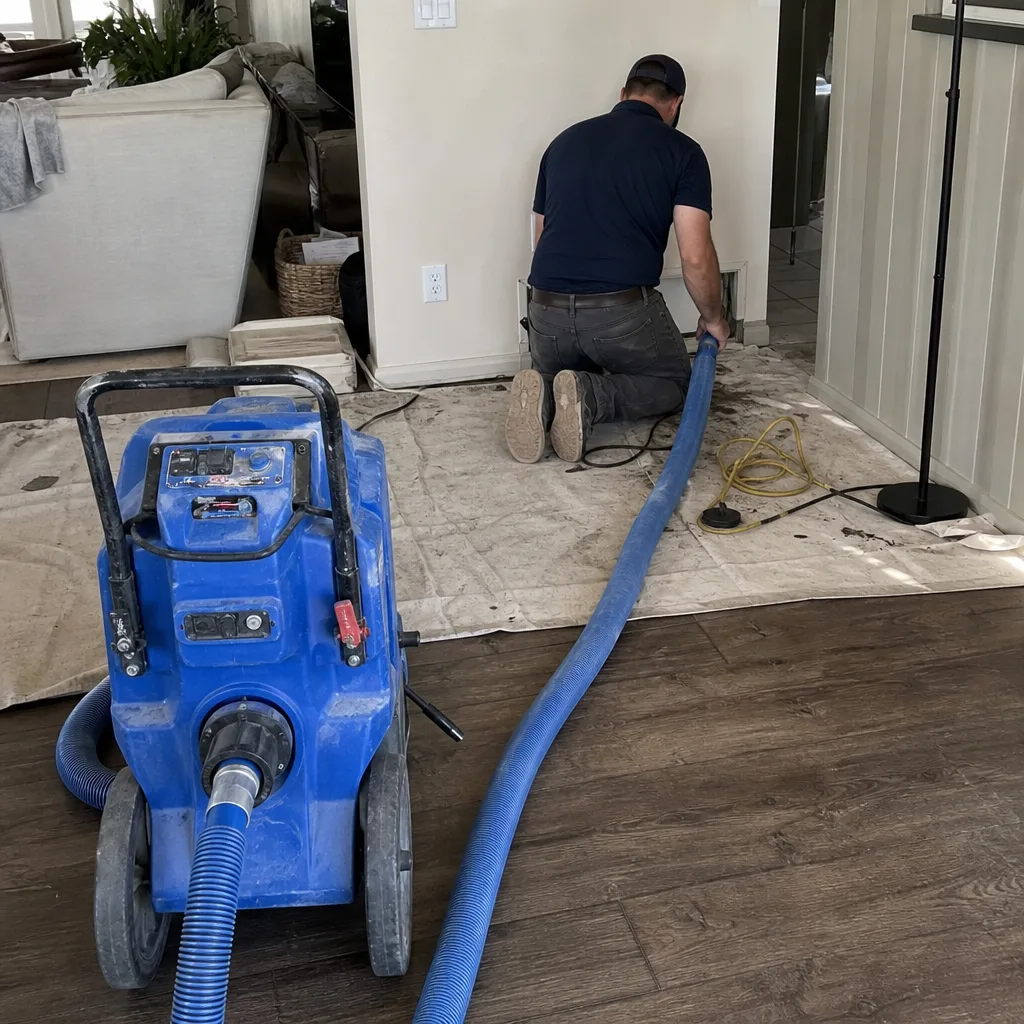 Before
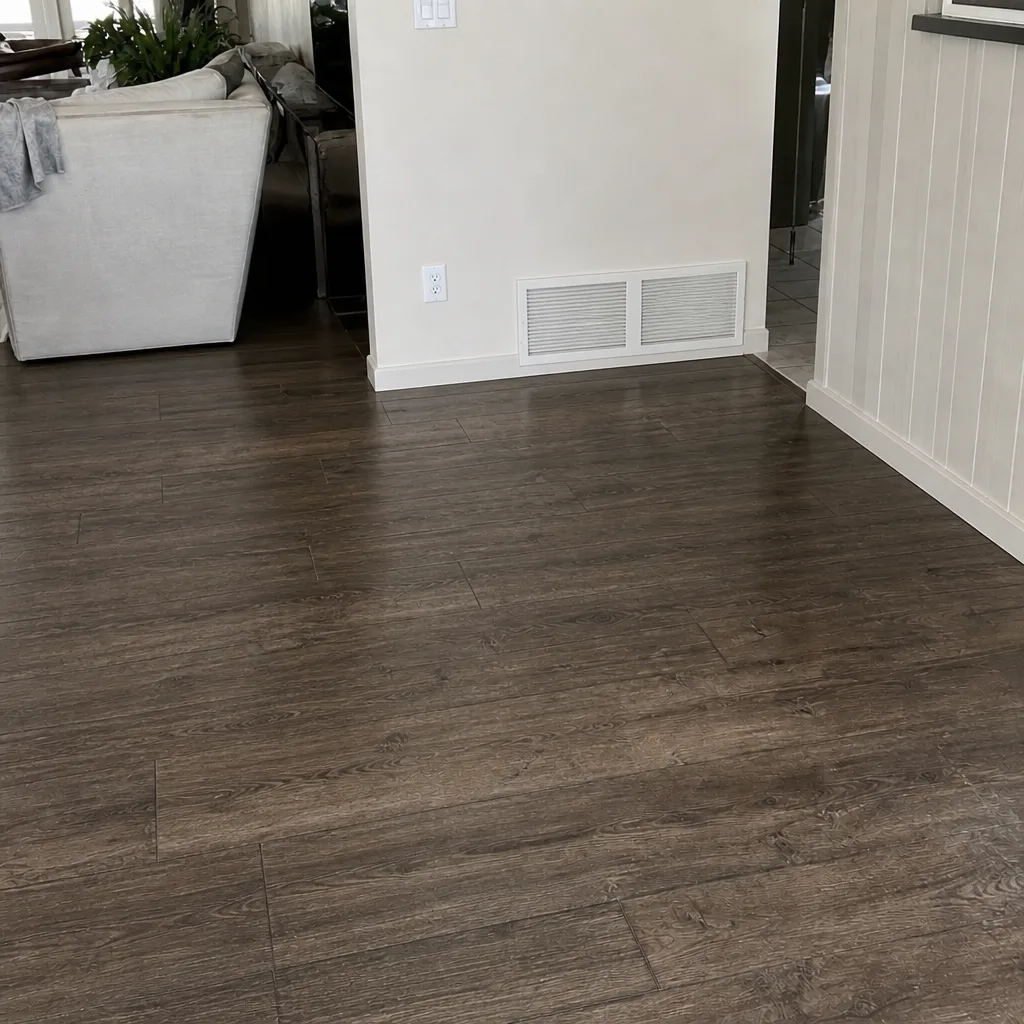 After
When to Call a Professional
Call a professional for duct cleaning in Buckeye when any of the following apply: recent drywall work or major renovation, visible mold growth in ductwork, pest activity in the system, ductwork older than 15 years with no service history, persistent allergy or respiratory symptoms during HVAC use, a dryer that takes unusually long to dry a load, or any duct system that hasn’t been professionally cleaned in the time you’ve owned the home. A single register with weak airflow or one with visible debris is also reason enough to schedule an inspection, because both point to problems that are cheap to fix early and more expensive to fix later.
Duct Cleaning Buckeye offers free estimates in Buckeye – call (866) 361-5107. We answer 24/7. Fast dispatch from 7am to 7pm, Sunday through Friday. The estimate is free and the price is set per job by the written estimate, so you’ll know the number before any work begins.
Frequently Asked Questions
No. A shop vac can clean a register grille and the first few feet of duct reachable from the register, but it cannot perform source removal inside the ductwork. Source-removal equipment generates enough airflow and static pressure to agitate debris off the duct wall while extracting it out of the system, and consumer vacuums aren’t built for that. For a full system cleaning in Buckeye, call (866) 361-5107 to set up a free estimate.
Pricing varies with the size of the system, the number of branches, and whether repair work is needed. We don’t quote per-vent prices, because that pricing model doesn’t reflect the actual job. Every appointment ends with a written estimate for the whole system, and that estimate is the final price. The estimate is free. Call (866) 361-5107 for a specific number on your home.
Because the price you see advertised often isn’t the price you’ll pay. The lowest quotes usually come with per-vent pricing, which means the final number depends on how many vents a technician counts, and some quotes don’t include the equipment actually needed to do a real job. The honest answer is that a legitimate professional cleaning costs what it costs to do the work. We set one flat price per system before work starts. Call (866) 361-5107 for a real quote.
Ask for before-and-after photos of your own ducts. Any professional cleaning operation should be able to show you what the interior of the system looked like before cleaning began and what it looked like after. We provide photos on every job, and we photograph the supply side and return side separately so you can see the whole system, not just one section. Call (866) 361-5107 to schedule.
For a typical Buckeye home with no recent renovation, no pets, and no pest history, most systems benefit from professional cleaning every three to five years. Homes with heavy pet dander, recent drywall work, or lifestyle factors that load the system faster may need it more often. The most reliable trigger is a professional inspection, not a calendar. Call (866) 361-5107 for a free assessment.
A professional service should use source-removal equipment with agitation, high static pressure airflow, and capture filtration. We use Rotobrush and Nikro duct cleaning systems, which agitate and extract debris together, and Abatement Technologies filtration equipment to capture contaminants at the machine. We also work with Honeywell and Aprilaire systems when homes have them. Call (866) 361-5107 to ask about a specific home.
The Bottom Line
DIY air duct maintenance is real, and it’s worth doing: registers, filters, visual inspection, and access-point identification are all within reach for a homeowner. But the question that actually matters – can a duct system be cleaned without professional equipment – has a clear answer, and it’s no. Source-removal cleaning requires the airflow and static pressure that consumer equipment doesn’t deliver, and a partial DIY attempt can move debris to sections that were previously clean. For a Buckeye home, the right approach is to handle the accessible surfaces and filters yourself, then call a professional for the system. If you’re ready to schedule, call (866) 361-5107 for a free estimate. We answer 24/7, fast dispatch from 7am to 7pm Sunday through Friday, and every estimate is free with a flat price per system set before work starts. Call (866) 361-5107.
Written by the team at Duct Cleaning Buckeye.