
Last updated November 15, 2026
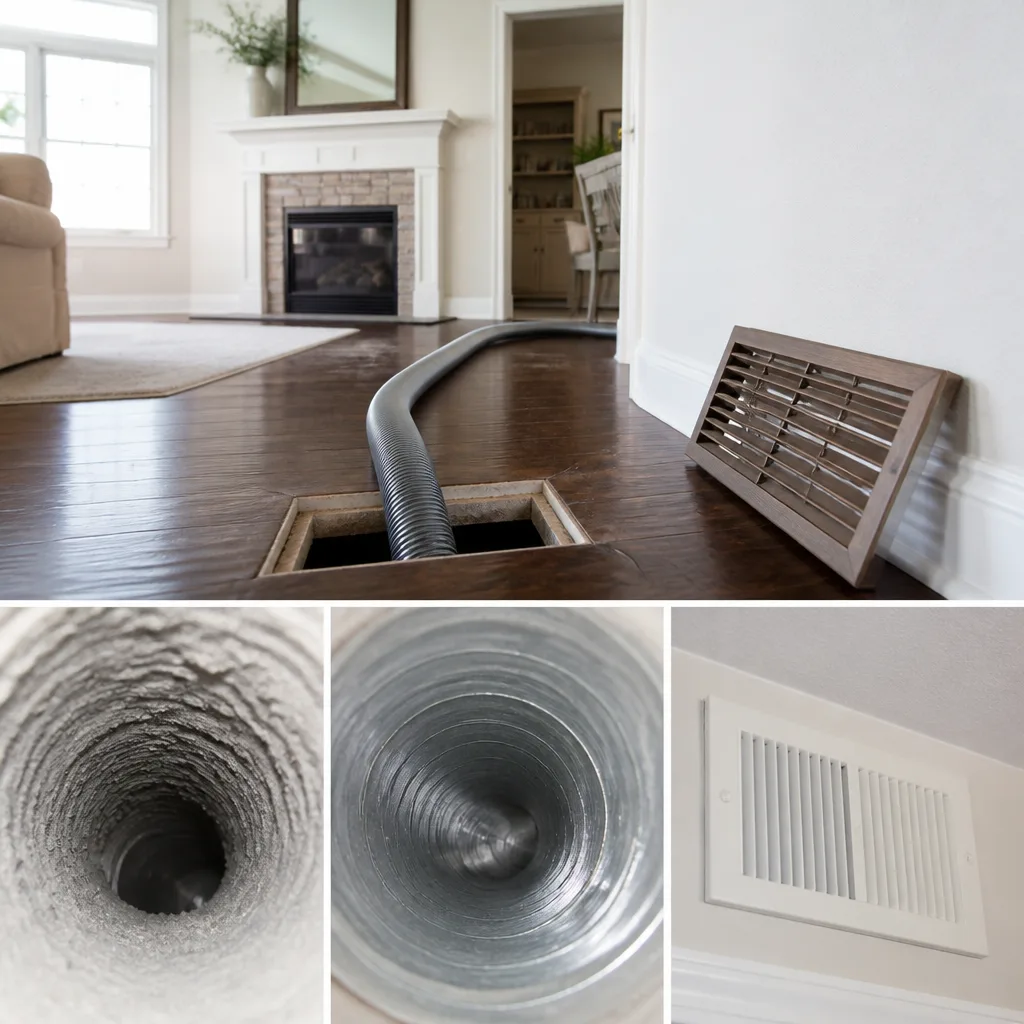 Whole-home duct cleaning
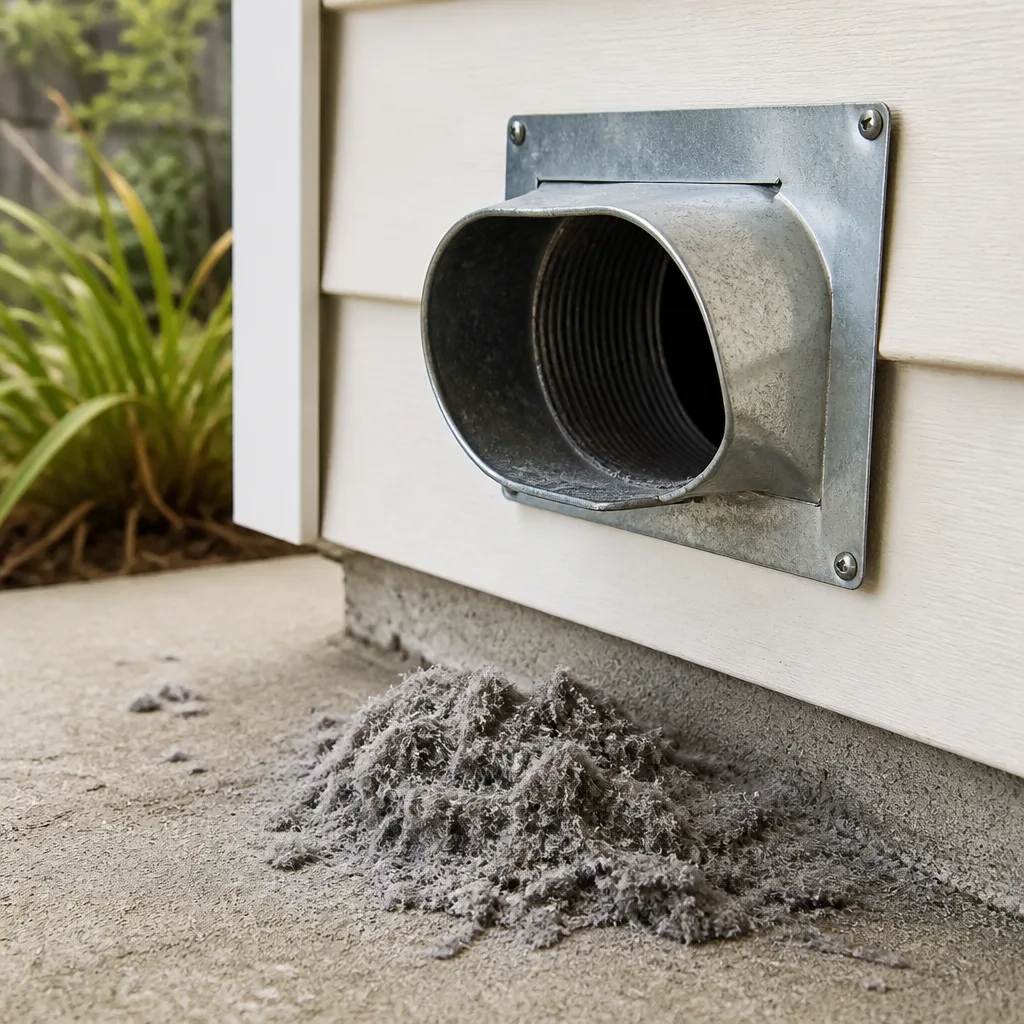 Dryer vent cleaning
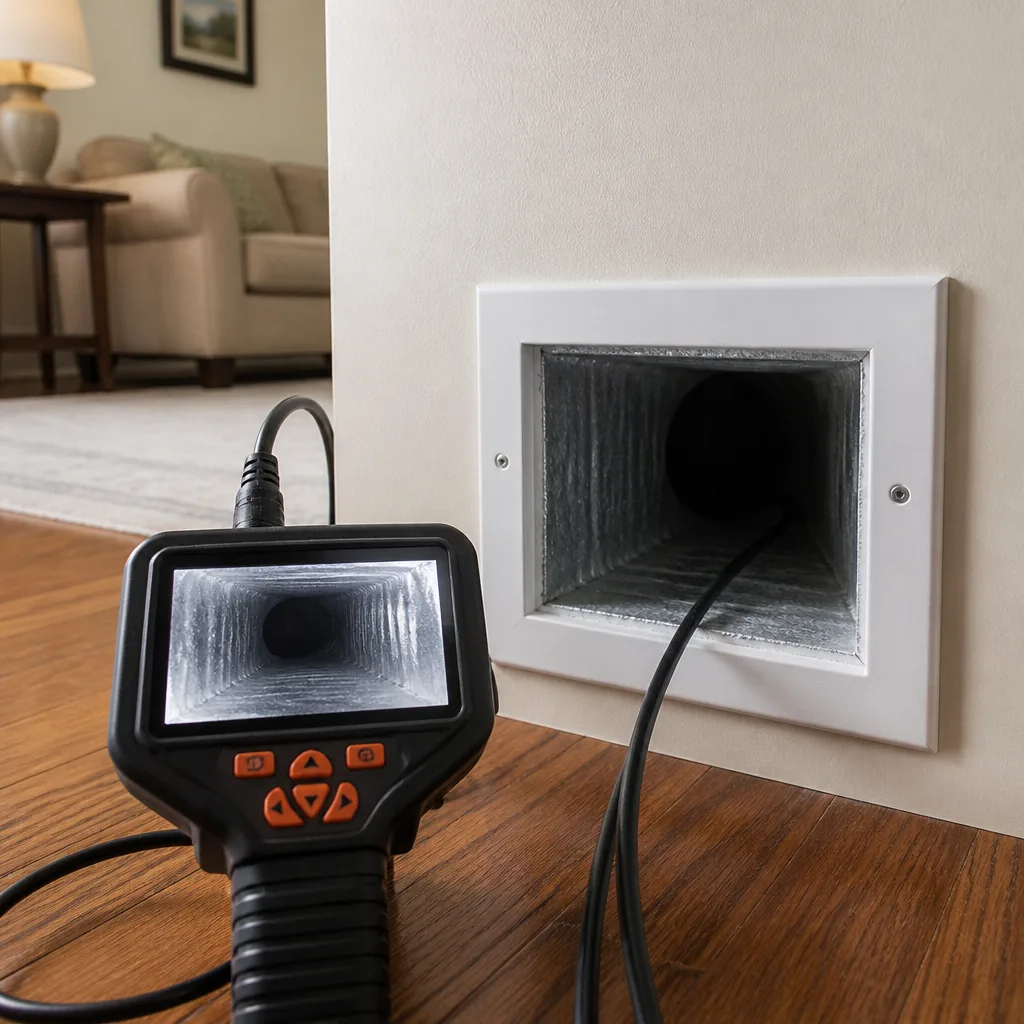 Camera inspection
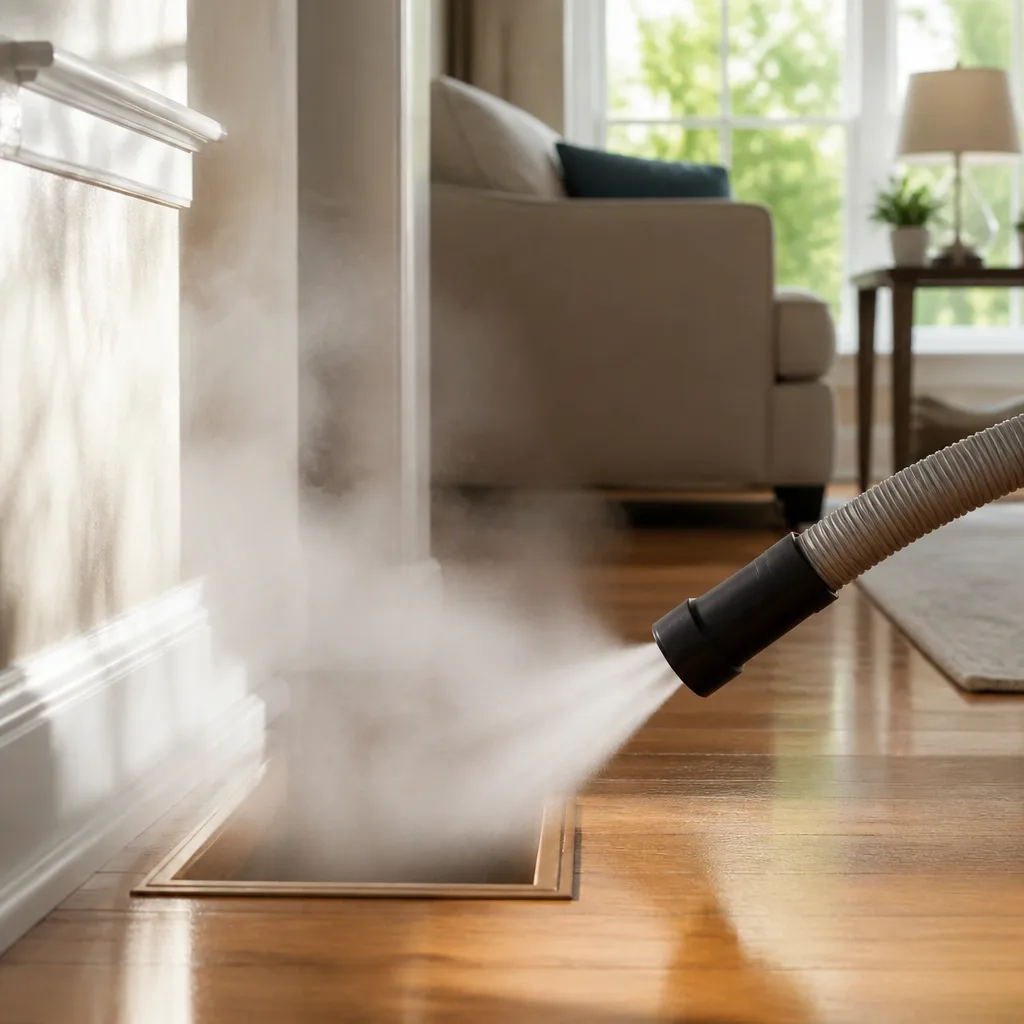 Sanitizing & deodorizing
Whole-system duct and dryer vent check with before-and-after photos - you see exactly what came out of your vents
That "$99 whole-house special" is a bait ad - the real number appears once they are in your hallway, or the "clean" is a shop-vac at the register. We photograph the inside of your ducts before and after instead.
How to Hire an Air Duct Cleaning Contractor in Buckeye: A Step-by-Step Guide
The $49 whole-house duct cleaning offer isn’t a deal. It’s a business model. Understanding what that number actually pays for explains exactly what won’t happen to your ducts – and why the technician is often in and out of your Buckeye home in under an hour with nothing but a shop vac and a hose. What you’ll learn here is a process, not a checklist of questions to memorize. You’ll know how to read equipment, how to interpret a quote’s line items, how to spot a surface-cleaning operation before it starts, and how to tell a contractor who removes debris at the source from one who stirs it up. This is written from Buckeye, for the homeowner here who wants the job done by a specialist with real equipment.
Quick Answer
To hire an air duct cleaning contractor in Buckeye, ask about the equipment first: professional-grade systems like Rotobrush or Nikro with a high-powered vacuum source create negative pressure and physically agitate and extract debris, while a portable vacuum and a spinning brush alone mostly stir dust into your living space. Then confirm what’s in writing – source-removal method, a whole-system price agreed before work starts, before-and-after photos, and whether the contractor can repair compromised ductwork rather than just clean it. Any quote that’s a per-vent price or a teaser coupon figure deserves a second look.
Styles & brands we work with
- Whole-home duct cleaning
- Dryer vent cleaning
- Camera inspection
- Sanitizing & deodorizing
Table of Contents
- Why Bait-and-Switch Is So Common in This Trade
- Equipment: What Truck-Mounted vs. Portable Vacuums Tell You
- Three On-Site Setup Observations That Reveal the Method
- NADCA Membership, the ACR Standard, and What They Actually Require
- How to Interpret a Quote: Line Items and Legitimate Add-Ons
- Red Flags Specific to the Buckeye and West Valley Market
- A Step-by-Step Hiring Process You Can Follow
- Why Repair Capability Separates the Field
- Dryer Vents: The Fire-Safety Job Bundled in With Duct Cleaning
- Truck-mounted or trailer-mounted vacuum units deliver the highest sustained negative pressure. They’re connected directly to the duct system, and the air volume they move is the reason the work can be done room by room without visible dust escape.
- Portable high-powered units can achieve a useful negative-pressure setup in the right configuration, particularly for a single system, provided the unit’s airflow rating is high enough and it’s properly sealed at the connection point.
- Shop vacs and small portable vacuums generally cannot maintain enough negative pressure to overcome the resistance of a whole residential duct run. This is the equipment behind a lot of the cheapest offers, and it’s why the household dusts right back up afterward.
- The vacuum connection. A proper setup connects the vacuum source directly to the duct system itself – often at the plenum or at a designated access point – and seals the connection so it holds. A technician who is vacuuming the registers from the room side is not pulling pressure through the system. If you don’t see a connection sealed to the ductwork before the agitating tools go in, ask where the pressure is coming from.
- Access creation. Source removal requires access to the duct interior. That usually means small access holes are cut in the ductwork at strategic points, then sealed afterward. A contractor who intends to do genuine work comes prepared to make those access points. A contractor who plans to run a brush through the register grilles and leave won’t need any. Bare metal plates or zip access panels left behind after the job are normal; no access at all during the job is a warning sign.
- Containment and floor protection. Look at what happens to the rooms around the work. Drop cloths, sealant on registers, and attention to the return-air side are all part of a method that keeps debris where it belongs. If the setup begins with a shop vac plugged into a wall outlet and no containment, you already know the answer.
- Ask the contractor to describe the process in their own words, not just point to a logo. The description should include negative pressure, source removal, agitation, and access creation.
- Ask about the ACR standard specifically. A contractor who actually works to it can tell you what the procedure requires without reading from the website.
- Confirm the equipment used on every job – not just the equipment in the brochure. Professional-grade Rotobrush and Nikro systems across the board is the signal you want.
- The number of systems being cleaned, named explicitly.
- The equipment and method (vacuum source type, agitation equipment, filtration).
- Access creation and sealing.
- Cleaning of registers, grilles, and supply and return components.
- Post-work inspection, ideally with before-and-after photos of the customer’s own ducts.
- A single whole-system price, agreed before work starts, with no per-vent pricing.
- No physical address or local registration. Ask for a street address and confirm it. A contractor who can’t give you one, or whose address is a mailbox in another state, is not accountable to the local customer base in the same way.
- Pressure to book same-day without an assessment. A legitimate quote for a duct clean needs the contractor to know the size and condition of the system, the number of systems, and the state of the ductwork. A phone quote with no assessment is not a quote; it’s a reservation for the upsell.
- A coupon price with no scope defined. If the flyer says a whole-house clean for a very low number, ask exactly what’s included and get it in writing. The scope is almost always narrower than the headline.
- No ability to describe the equipment. A contractor who can’t name the vacuum system is probably not using one worth naming.
- No repair capability. A cleaner who can’t assess or fix a compromised joint, a disconnected run, or a crushed flex section is going to find the problem during the clean, shrug, and hand you a card for an HVAC company. See Why Repair Capability Separates the Field below.
- Write down your system. One system or two? Roughly how many registers? How old is the ductwork? Has there been recent renovation or a home purchase? Note if anyone in the household has allergies – that’s context for how thorough the work should be, not a reason to buy an add-on.
- Ask for an in-person assessment before a quote. A phone quote is a placeholder. A contractor who wants to assess the system before pricing is taking the work seriously.
- Ask the equipment question. What vacuum source, what agitation equipment, what filtration. The answer should name the actual equipment – Rotobrush, Nikro, Abatement Technologies, or similar – not just “professional equipment.”
- Ask about method and access. Negative pressure and access creation, described in plain terms. If the contractor can’t describe the method, that’s the answer.
- Get the quote in writing, line by line. Whole-system price, no per-vent pricing, no teaser coupon figure. The written estimate sets the final price.
- Confirm photo documentation. Before-and-after photos of your own ducts are the simplest way to know the work was done. Ask if they’re provided as standard.
- Ask about repair. If the assessment finds compromised ductwork, can the contractor fix it, or would you need a separate call? This matters more than it sounds.
- Take a pass on same-day pressure. You don’t owe anyone a booking before you’ve compared two written quotes on the same scope.
- Disconnected or torn duct sections are found and repaired on the same job.
- Joints are sealed and the system is left better than it was found, not just cleaner.
- The contractor can tell you what to expect from your existing ductwork, including whether it’s a candidate for continued service at all.
Why Bait-and-Switch Is So Common in This Trade
Air duct cleaning has almost no barrier to entry. No license class specific to the work. No statewide certification a homeowner can look up. Anyone with a van and a vacuum can print a coupon and knock on doors. That’s the structural reason cheap offers flourish here: high volume, low equipment overhead, and a customer base that mostly hasn’t had the work done before and has no baseline for what “done” looks like.
The coupon model works like this: the advertised price covers a technician walking through your home with a portable vacuum and running a rotary brush through the accessible registers. It does not cover source removal. It does not cover a high-powered negative-pressure setup that pulls debris out of the system while the agitation happens. The bolt-ons come later, once the technician is in the house and the homeowner is faced with a decision they didn’t plan for. That’s the pattern to recognize.
In Buckeye, the timing compounds the problem. Dust season in the West Valley lines up with the months homeowners think about their HVAC system – when the AC is running hard and someone in the house is sneezing or the filter clogs fast. That’s when high-volume operators push coupon offers into the Buckeye market, ahead of the demand curve, and that’s why a homeowner here is especially likely to see a $49 or $99 whole-house offer land in their mailbox before they’ve had a chance to research the work at all. The cheap price isn’t the issue on its own. The issue is what it pays for, and what it leaves behind.
The remedy is not cynicism about every bid. It’s a process that lets you tell the two types of operation apart before anyone steps inside your home. That’s what the rest of this guide lays out. You can also read more about how we approach air duct cleaning if you want to see the method described in detail.
Equipment: What Truck-Mounted vs. Portable Vacuums Tell You
“Negative pressure” means the vacuum source is pulling air – and the contaminants suspended in it – out of the duct system and into a collection unit, rather than letting it blow back out through the registers into the room. It’s the single most important mechanical fact in the trade, and it’s the one homeowners almost never ask about.
The equipment type determines how much negative pressure a contractor can generate:
You don’t need to sound technical to ask the question. “What equipment are you bringing, and does it pull the debris out under negative pressure or agitate it in place?” is enough. A contractor who uses real equipment answers without hesitation and can name the system. A contractor using a shop vac usually pivots to talking about price or brushes. The agitation equipment matters too. Professional-grade systems like Rotobrush and Nikro physically loosen and extract debris from the duct walls rather than simply blowing air through the system, which is a fundamentally different operation. Around Buckeye, where homes run their AC for a large share of the year and the duct system sees continuous airflow, that distinction is the difference between a real clean and a surface pass.
Contaminant capture is the other half of the equipment story. A serious contractor uses filtration equipment designed for the job – Abatement Technologies units, for example, are built to capture airborne contaminant during the work rather than recirculate it. Ask what’s capturing the dust that gets loosened up. If the only answer is “the vacuum,” press a little further.
Three On-Site Setup Observations That Reveal the Method
You don’t have to be an inspector to read the setup. Three observations before work begins will tell you whether this is a source-removal job or a cosmetic one.
These three observations are also a natural place to ask the contractor directly about their process. “Will you be pulling negative pressure from the system and cutting access points, or working through the registers?” is a fair, non-technical question. The way it’s answered – with detail, or with a brush-off – tells you a lot. We clean, then we inspect, and if the setup doesn’t match the method you were promised, it’s a whole lot easier to walk away before work starts than to dispute the invoice after. For more on what a proper clean actually involves, see the duct cleaning page.
NADCA Membership, the ACR Standard, and What They Actually Require
The National Air Duct Cleaners Association (NADCA) publishes a widely used standard – often called the ACR standard – that describes recognized procedures for assessment and cleaning of HVAC systems. Membership in NADCA is a meaningful signal because it’s a voluntary professional commitment, and it usually means the contractor has access to training and follows a documented method.
But here’s the part most homeowners miss: NADCA membership is not a certification that guarantees a given contractor actually complies with the standard on every job. It’s a professional affiliation. The standard itself is often used in marketing language – quoted on a website or printed on a flyer – without the company actually following the procedures it describes. The words on the page and the method in the house are two different things.
So how do you use this? Treat NADCA or ACR citations as a starting questionnaire, not a stamp of approval:
If the contractor is already using Abatement Technologies filtration equipment or works with Honeywell and Aprilaire air-quality systems, that’s a further sign of a serious shop. Those brands are common in American homes, and a contractor who knows the system compatibility story can tell you how their work interacts with the equipment you already have.
How to Interpret a Quote: Line Items and Legitimate Add-Ons
A duct cleaning quote should be built from line items, and the line items should map to the actual work. Here’s what a real one includes:
That last point is the one to hold onto. “One flat price per system” is not a sales phrase – it’s a commitment that the invoice you receive is the invoice you discussed. Per-vent pricing is the mechanism by which a cheap quote becomes a large bill: the $49 covers the “base” work, and every additional vent costs more, so a fourteen-vent house balloons well past the coupon number.
Legitimate add-ons versus manufactured upsells
Some add-ons are real. Dryer vent cleaning is a genuine, separate fire-safety service and deserves its own line. Duct repair, if compromised ductwork is found during the clean, is legitimate work. Beyond an in-person assessment, though, be cautious of vague “sanitizing” or “anti-microbial” line items tacked on at the door before the technician has even looked at the system. Those can be legitimate if they correspond to a specific problem you’ve discussed, and questionable if they appear because the technician discovered “a lot of buildup” they didn’t show you.
Our approach is a flat price per system for the whole clean, with the written estimate as the final word, and before-and-after photos of your own ducts so you can see what changed. We don’t quote a per-vent price and we don’t run coupon figures. You can request a written estimate by calling (866) 361-5107 – estimates are free. If you’d like to compare against a specialist near you, the Buckeye page describes the service area context.
Red Flags Specific to the Buckeye and West Valley Market
Buckeye is a growing market with new neighborhoods and a lot of new homeowners, which means a steady stream of first-time duct-cleaning customers who haven’t gone through the process before. That makes the area attractive to out-of-state operators dropping coupons and running the truck through West Valley developments during peak season. The specific flags to watch for:
None of these flags is definitive on its own. Together, they describe the coupon operation – the one that shows up before dust season, runs the base price, and leaves the underlying ductwork exactly as it found it, or worse.
A Step-by-Step Hiring Process You Can Follow
Here’s the process, in order. Follow it once and you’ll have the information to compare contractors on the same footing instead of comparing coupon prices.
Done in order, this process takes about an afternoon of calls. It’s the most reliable way to tell a specialist from an operator. For the same approach applied to a specific service, see the dryer vent cleaning page – the hiring questions are similar, but the fire-safety angle is worth understanding in detail.
Why Repair Capability Separates the Field
The inspection happens during the clean, and that’s when the discoveries happen. Disconnected runs at the plenum. Crushed or torn flex sections. Joints that were never properly sealed. Taped connections that have degraded over a Buckeye summer. All of these are common in residential systems, and all of them undermine the clean you just paid for: if air is leaking out of a compromised duct, the system isn’t just dirty, it’s inefficient and the clean hasn’t solved the underlying problem.
A contractor whose only service is cleaning can’t do anything about this except recommend a separate HVAC company, which means the problem is left in place, the repair is a separate project, and no one has the whole picture. What separates the field here is having repair on the same visit:
When you ask a contractor “can you repair what you find?” and the answer is no, you’re hiring half the service. Your ducts move air through every room in the house. What’s in them matters, and so does whether that air is staying in them. From cleaning to repair, having one specialist handle the whole job is the practical answer to the question of how the work gets done.
Dryer Vents: The Fire-Safety Job Bundled in With Duct Cleaning
A dryer that takes two cycles to dry a load is a sign that the vent line is restricted. Dryer vent buildup is a leading cause of residential house fires, and it’s the part of the routine duct clean that most homeowners skip until the symptoms force the issue. If you’re booking a duct clean, ask whether the dryer vent is part of the job, and if not, what a separate line item would be.
The dryer vent work is a dedicated fire-safety service, not an upsell tacked onto the invoice. The vent line is one of the few places in a home where lint can accumulate into a real hazard over a period of years, and cleaning it is a separate job with its own equipment and process. If you’re comparing contractors, ask about it directly at the time of the assessment. Call (866) 361-5107 to ask about how the dryer vent is handled alongside the duct clean.
Common Mistakes to Avoid
- Calling the number on the coupon. The number on the flyer is usually answering for an operator, not a local contractor. Call a company you can verify, and confirm who’s coming to the door before anyone arrives.
- Booking same-day with no assessment. If the only thing that has to happen for a booking to go through is a card number, that’s not a contract for a specific scope. A same-day booking with no in-person assessment is the mechanism the upsell runs on.
- Comparing quotes on price alone. A quote that names the equipment, the method, the access creation, and the photo documentation is a different product from a coupon price. Compare line items, not headlines.
- Letting a “per-vent” price stand as the whole price. The advertised price per vent usually isn’t the all-in price. The whole-system price agreed in writing before work starts is the only number that counts.
- Assuming the clean will fix an underlying duct problem. If the ductwork is compromised, cleaning doesn’t fix it. If the contractor can’t repair, you’re booking half the service.
- Forgetting the dryer vent. A dryer taking too long to dry in the West Valley heat is a warning sign, and it’s a safety service that deserves a dedicated line in your decision.
- Not asking about dust controls during the clean. If the setup doesn’t include containment or a filtration unit like Abatement Technologies, ask what’s happening to the dust that’s being lifted. In our experience, that’s the question the surface-cleaning operation would rather not be asked.
See the difference
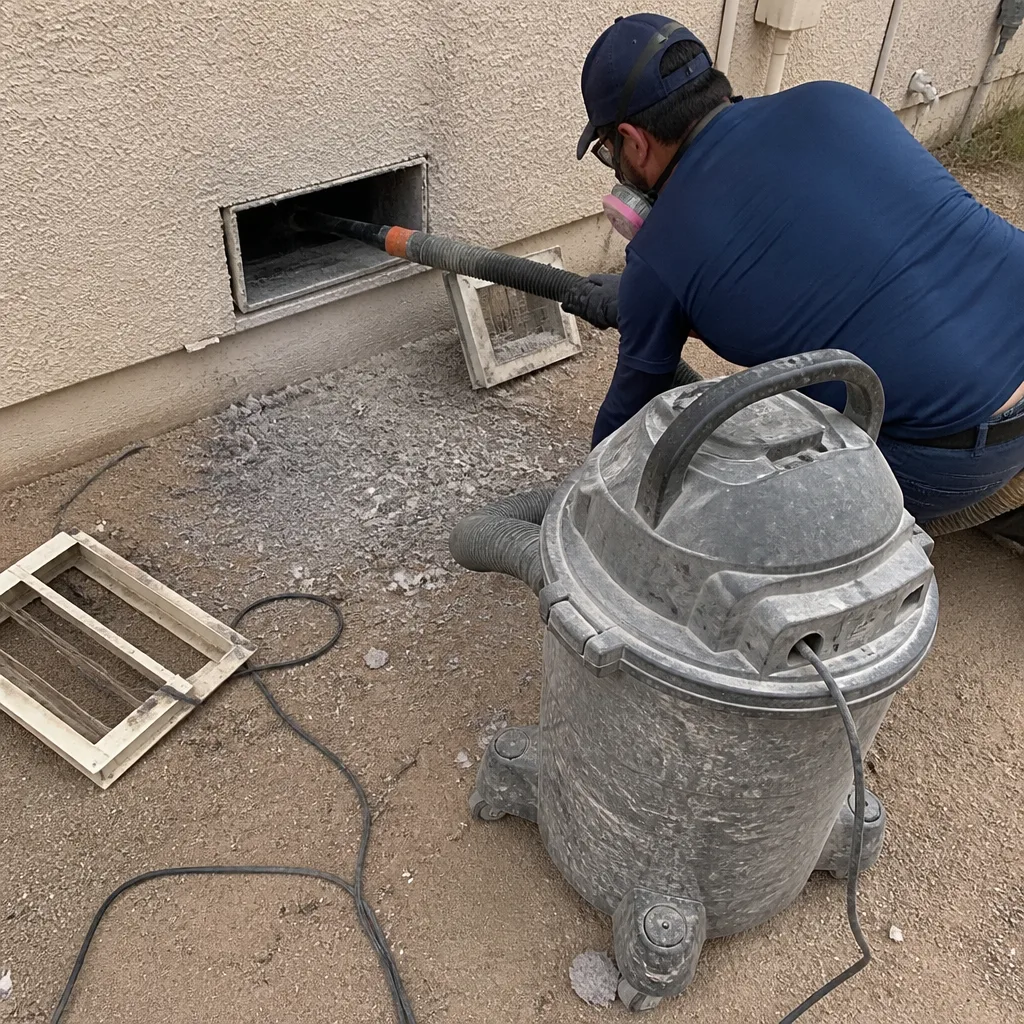 Before
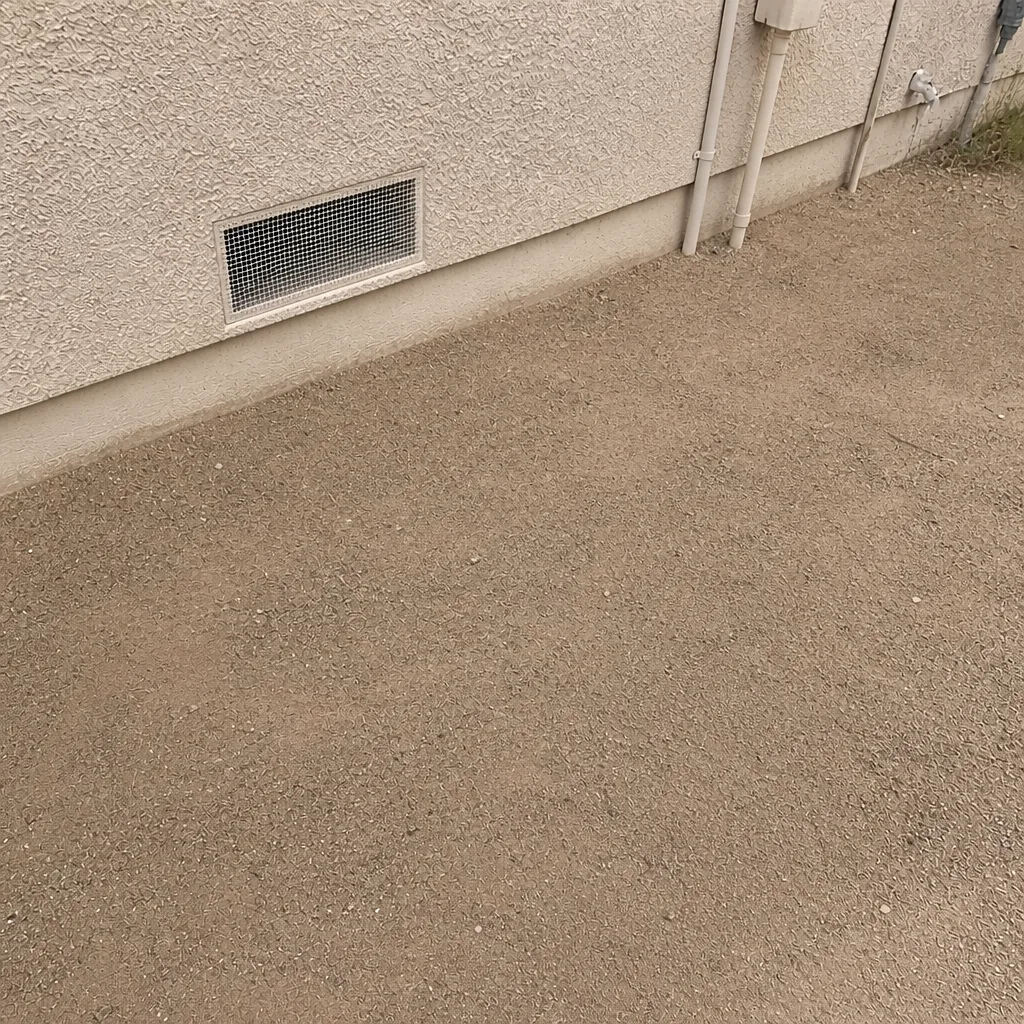 After
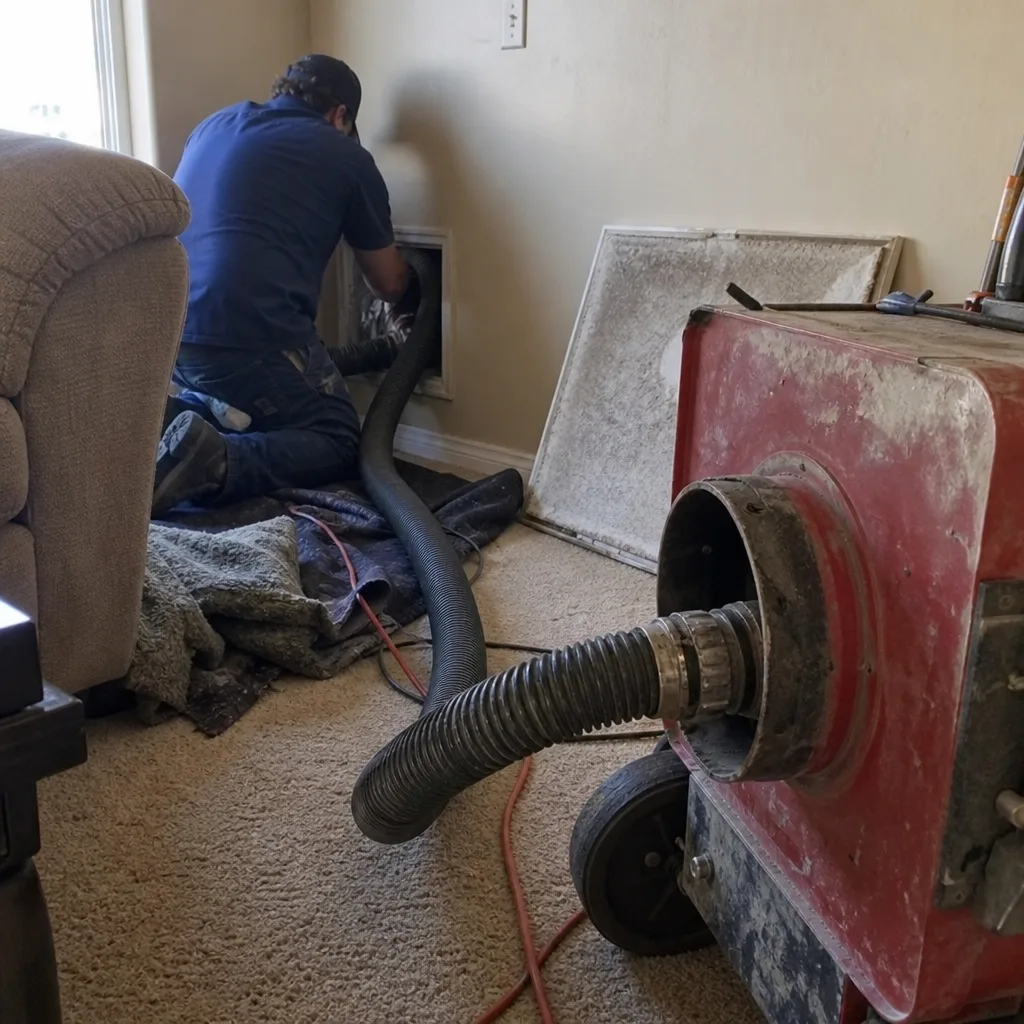 Before
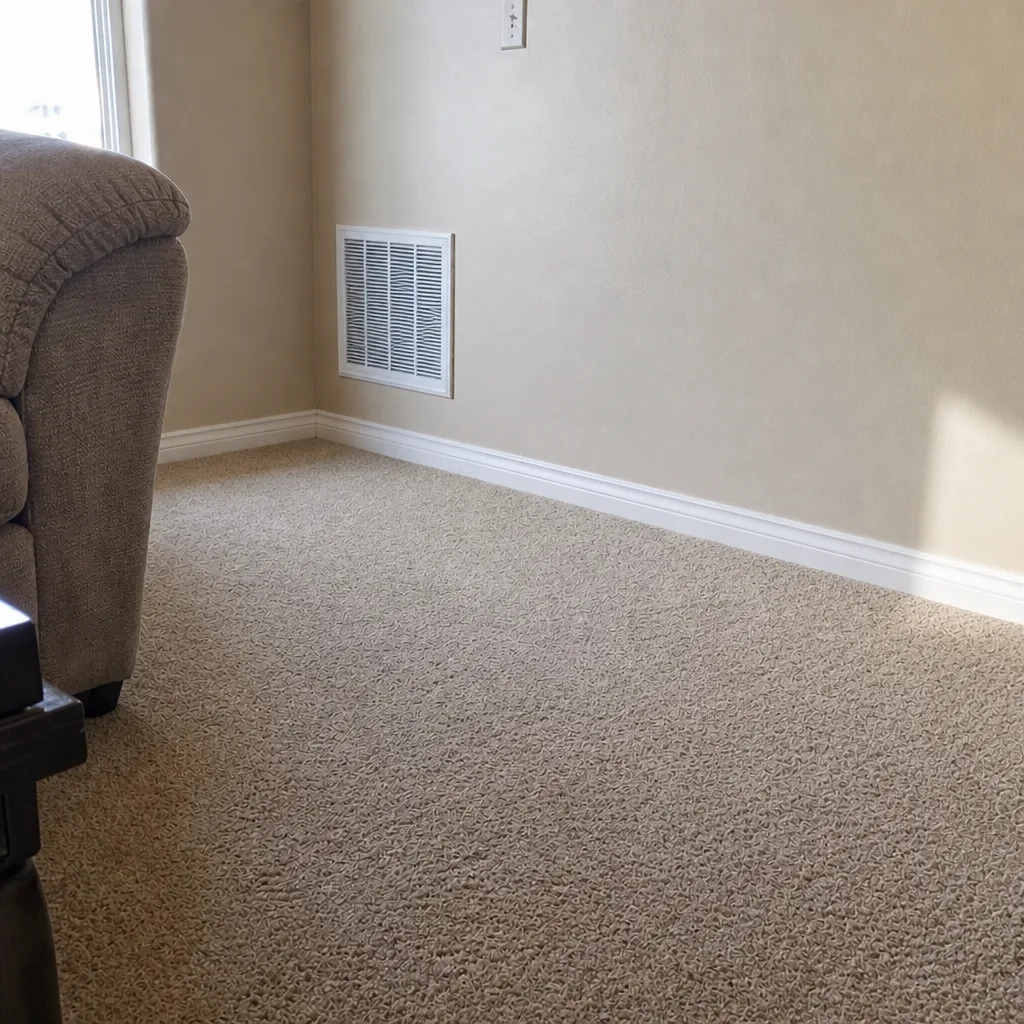 After
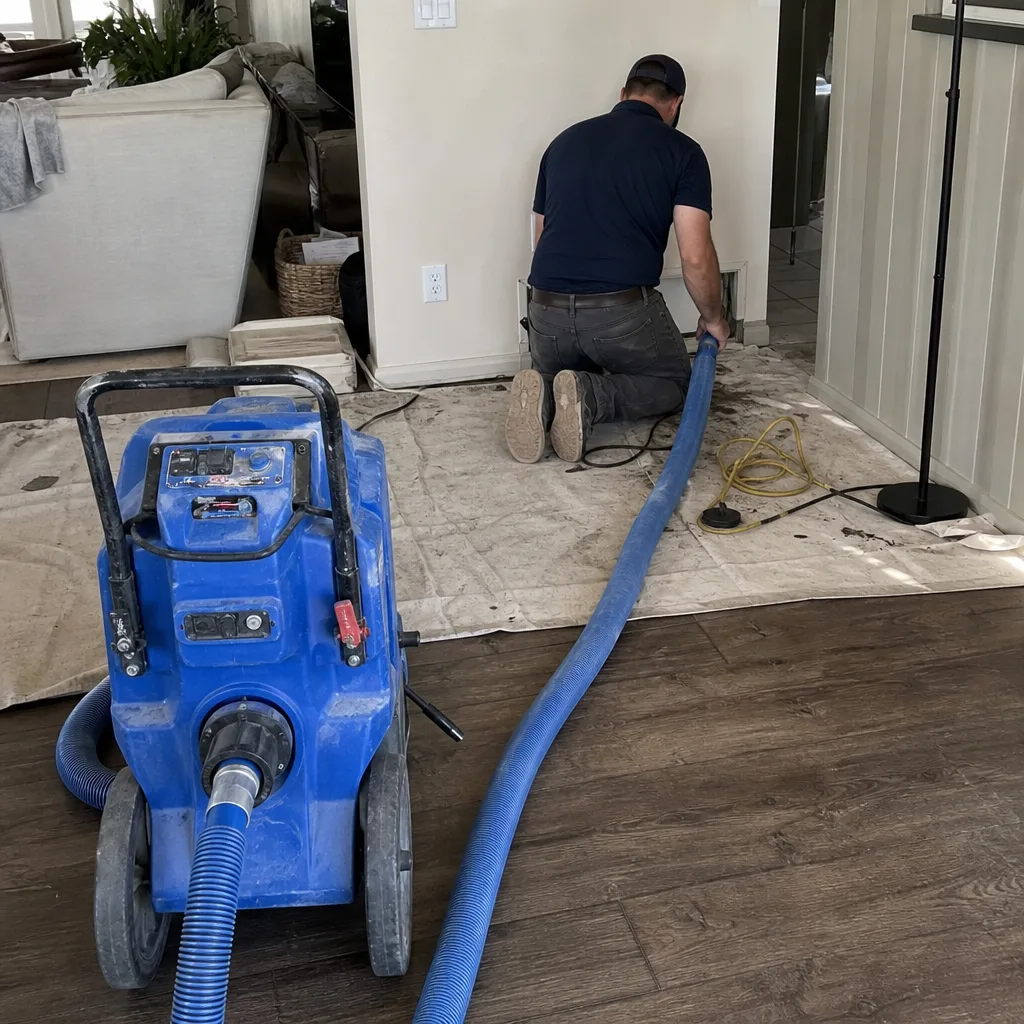 Before
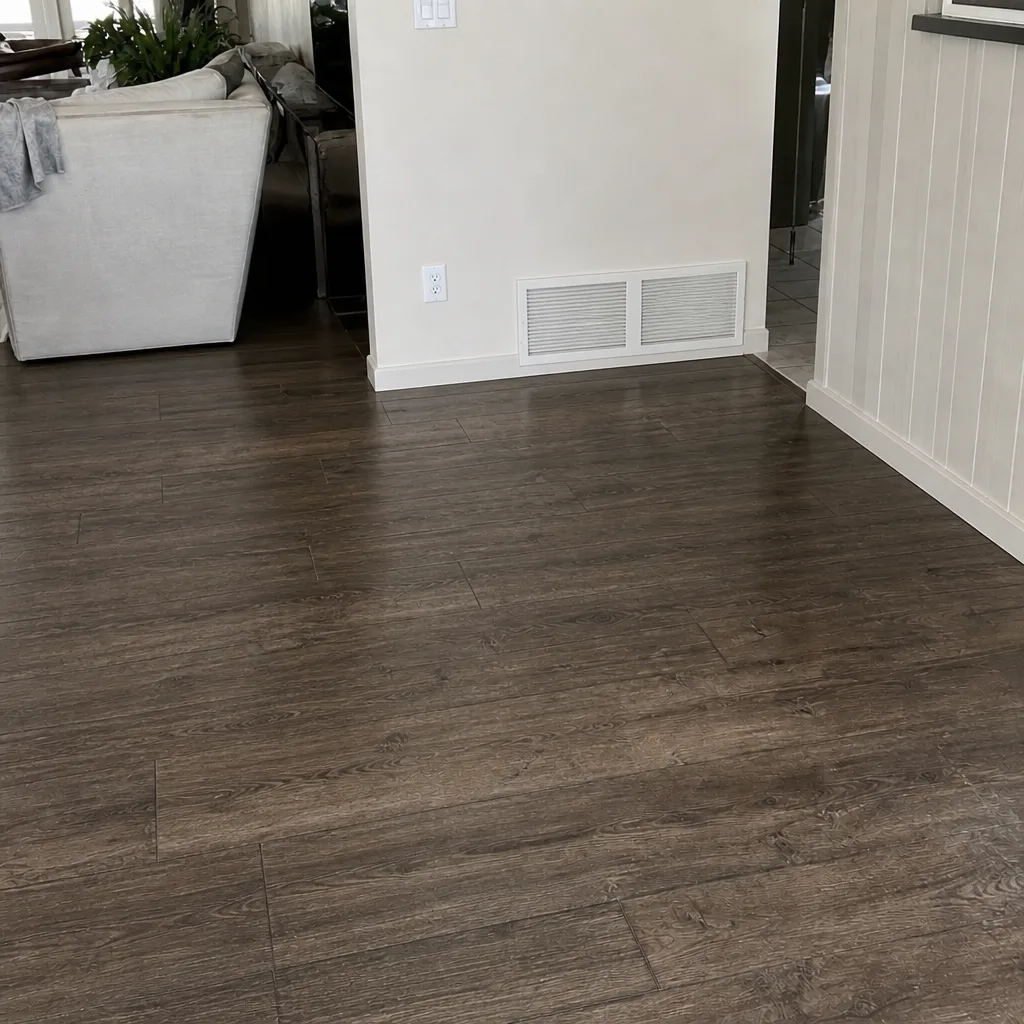 After
When to Call a Professional
Call a professional when the symptoms are persistent and you can’t trace them to a simple fix. If a recent renovation left visible dust in the registers, if you’ve just bought a home in Buckeye and have no idea when the ducts were last cleaned, if a household member’s allergies are worse indoors than outdoors, or if a dryer is taking longer than it used to and the vent line is the likely suspect – those are the triggers. The job is done properly with the right equipment and inspection, not by a shop vac and a brush. Duct Cleaning Buckeye offers free estimates in Buckeye – call (866) 361-5107. We answer 24/7, with fast dispatch from 7am to 7pm, Sunday through Friday. We’re closed Saturday.
Frequently Asked Questions
Air duct cleaning in Buckeye is priced per system by a written estimate, with the estimate setting the final price. That’s why the honest answer to “how much” starts with the scope: one system, number of registers, condition of the ductwork, and whether repair is needed. A contractor who quotes a whole-house price over the phone before seeing the system is quoting a number, not a job. Call (866) 361-5107 for an exact quote – estimates are free.
Because they’re quoting a different job. A coupon figure usually covers a surface pass with a portable vacuum and a brush, without the negative-pressure setup, access creation, or filtration that real source-removal requires. The equipment type is the reason for most of the price gap between a coupon and a whole-system estimate. Ask what equipment is used before you compare numbers. Call (866) 361-5107 to talk through what a whole-system clean involves – estimates are free.
Ask for before-and-after photos of your own ducts. That’s the simplest answer: photos taken during the job, of the actual system in your home, not stock images from a brochure. A source-removal job also leaves evidence in the form of access plates that were cut and sealed, and a duct system that was inspected. Call (866) 361-5107 and ask how documentation is handled – estimates are free.
It depends on the household, not the calendar. A recent renovation, a recent home purchase, pets, a high-dust environment, or allergy symptoms inside the house are reasons to have the system assessed; a well-maintained system with no symptoms may not need attention for years. The honest answer is that a contractor should assess your system before recommending a schedule. Call (866) 361-5107 to request that assessment – estimates are free.
Yes, and it’s often the most valuable part of the visit. A disconnected, torn, or crushed duct section means the system is moving air into the walls rather than into the room, and cleaning it without repairing it leaves the underlying problem in place. Having repair capability on the same visit is what makes that possible in one job. Call (866) 361-5107 to ask about repair alongside the clean – estimates are free.
Not necessarily, but it’s worth asking about at the time of the assessment. The dryer vent is a separate system with its own fire-safety concern, and buildup in the vent line is a leading cause of residential house fires. A dryer taking longer than it used to is the practical sign. Call (866) 361-5107 to ask how the dryer vent is handled – estimates are free.
The Bottom Line
Hiring a duct cleaning contractor in Buckeye comes down to a handful of decisions made in the right order. Ask about the equipment before you ask for a price. Confirm the method: negative pressure, source removal, access creation, filtration. Get a whole-system price in writing, with no per-vent pricing and no coupon figure. Ask for before-and-after photos of your own ducts. And find out whether the contractor can repair what they find, because the inspection is where the real problems surface. Our technicians have up to 14 years of experience, and we use professional-grade Rotobrush and Nikro systems on every job, with Abatement Technologies filtration for contaminant capture. We work with Honeywell and Aprilaire systems, and we handle cleaning, dryer vent, and repair under one roof.
Call Duct Cleaning Buckeye at (866) 361-5107 for a free estimate. We answer 24/7. Fast dispatch from 7am to 7pm, Sunday through Friday. We’re closed Saturday. The written estimate is the final word on price, and the work is documented with photos of your own ducts.
Written by the team at Duct Cleaning Buckeye.