
Last updated November 15, 2026
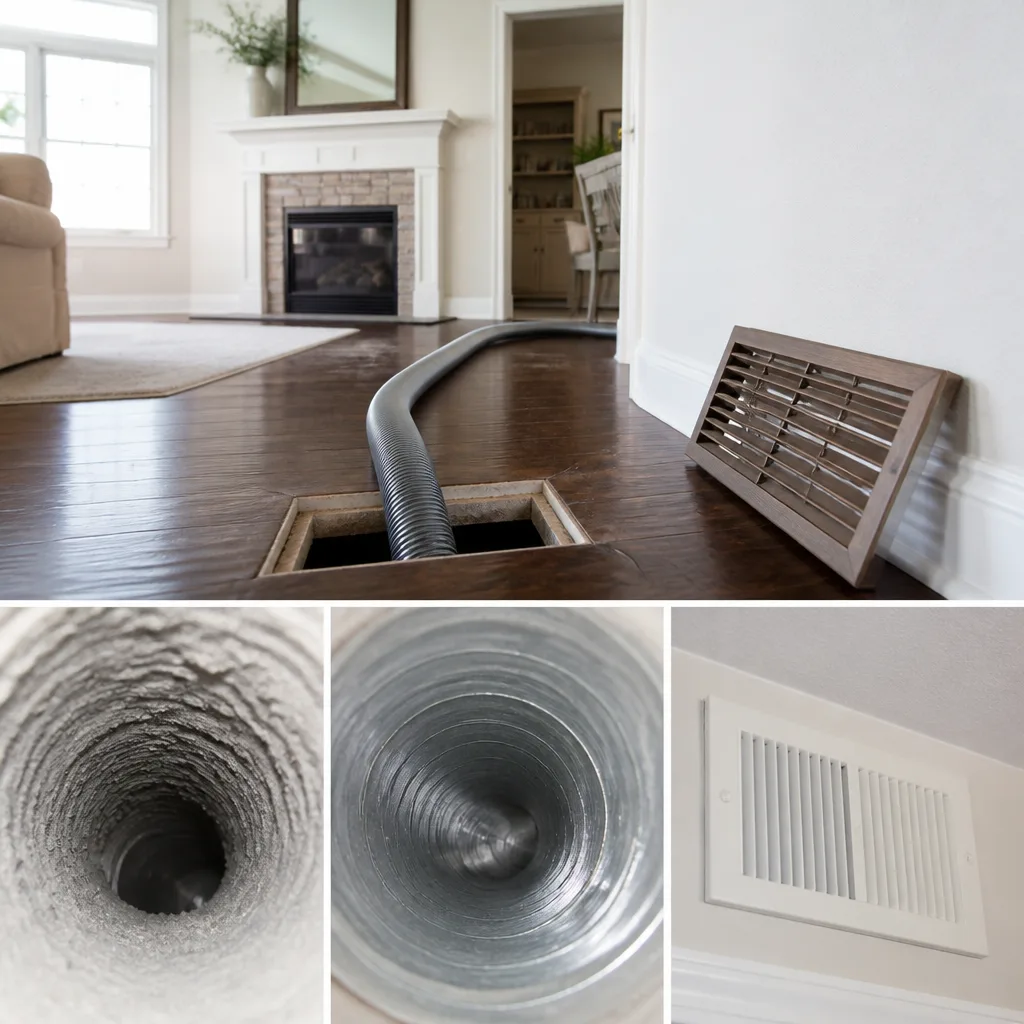 Whole-home duct cleaning
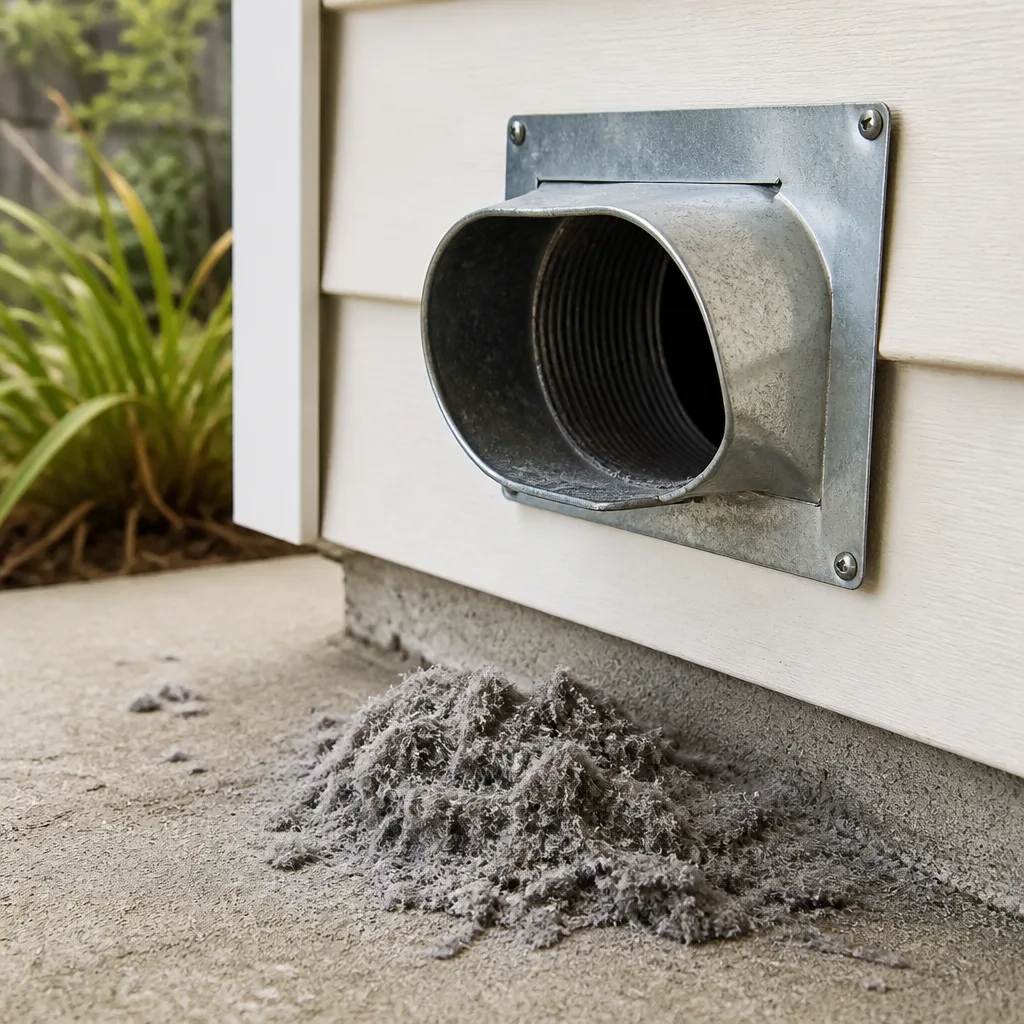 Dryer vent cleaning
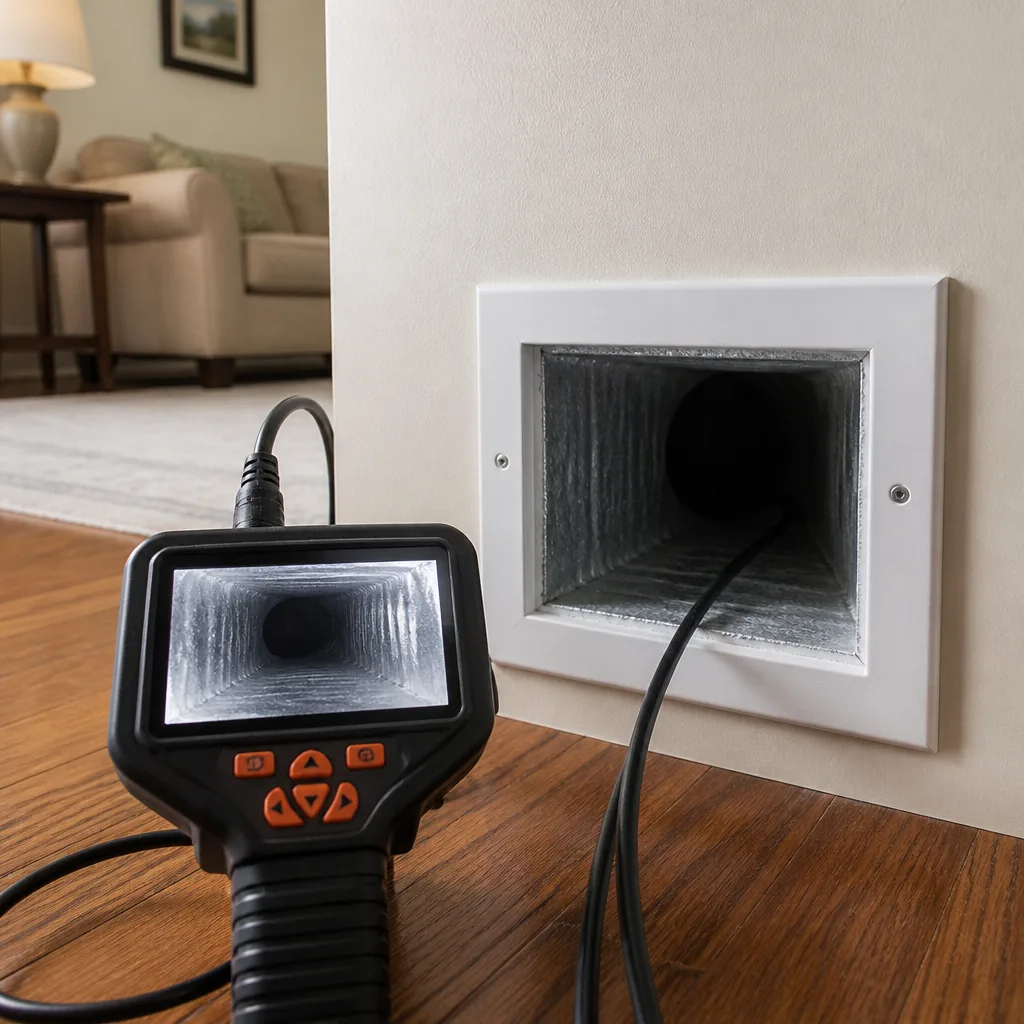 Camera inspection
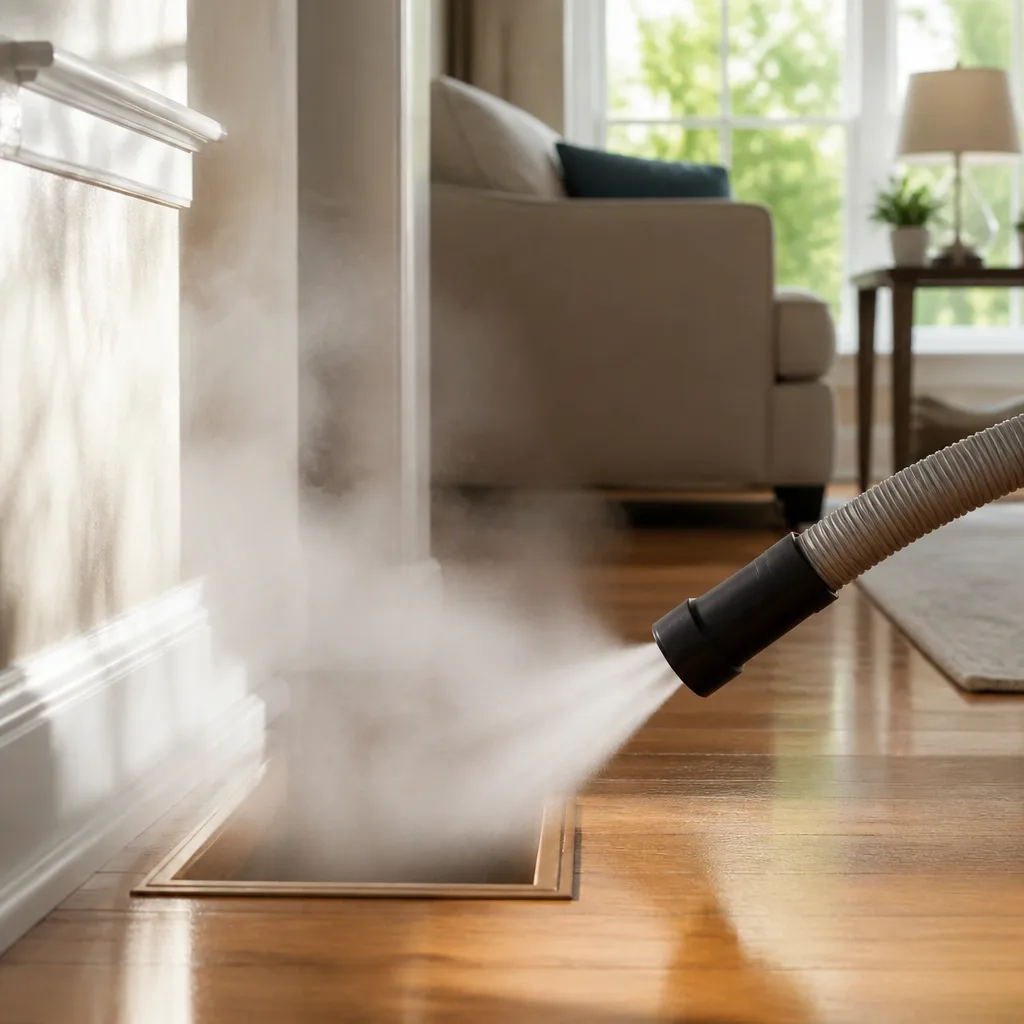 Sanitizing & deodorizing
Whole-system duct and dryer vent check with before-and-after photos - you see exactly what came out of your vents
That "$99 whole-house special" is a bait ad - the real number appears once they are in your hallway, or the "clean" is a shop-vac at the register. We photograph the inside of your ducts before and after instead.
The Complete Guide to Air Duct Cleaning in Buckeye
Most duct cleaning advice you’ll find online was written for a house with seasons. Buckeye doesn’t have those, not in the way the rest of the country means it. Here the air conditioner can run nine months or more, windows stay shut against the dust for weeks at a stretch, and the fine desert dust that settles on every surface in Buckeye also settles inside the ductwork and stays there. A process built for a humid climate, where moisture helps trap and drop particles, doesn’t perform the same way in dry desert air. This guide walks through what a genuinely thorough duct cleaning involves in Buckeye: the equipment, the setup, the verification, and the questions worth asking before anyone touches your system.
Quick Answer
Air duct cleaning in Buckeye means physically agitating and extracting dust, caliche grit and fine silica from every run of ductwork under negative pressure so loosened debris leaves the house instead of spreading into rooms. A proper job uses rotary brush and whip systems paired with HEPA-grade filtration and a sealed vacuum, then verifies results with airflow readings and a camera inspection. Because Buckeye’s AC runs most of the year, debris accumulates faster than the national three-to-five-year guideline suggests, and many homes here benefit from a look closer to every two to three years.
Styles & brands we work with
- Whole-home duct cleaning
- Dryer vent cleaning
- Camera inspection
- Sanitizing & deodorizing
Table of Contents
- Why Desert Dust Bonds Differently to Duct Walls
- Source-Removal Cleaning vs. Blow-and-Vacuum
- Why Buckeye’s AC Runtime Changes the Schedule
- What a Proper Negative-Pressure Setup Looks Like
- How to Verify the Work Was Actually Done
- Duct Repair: Fixing What Cleaning Uncovers
- Dryer Vent Cleaning as a Separate Safety Job
- What Duct Cleaning Costs in Buckeye
Why Desert Dust Bonds Differently to Duct Walls
Dust is not the same everywhere, and the way it behaves inside a duct depends heavily on what it’s made of and what the air around it is doing. In humid climates, airborne particles pick up moisture, get heavier, and settle out of the airstream relatively quickly. Humidity also makes dust slightly tacky, so it clumps and can sometimes be moved in larger pieces. Desert dust does something different. It stays dry, stays light, and stays suspended in moving air far longer. It also carries a harder mineral profile: silica, calcium carbonate, and the caliche grit that covers so much ground in and around Buckeye.
That mineral content matters. Fine silica is abrasive. When it settles on the inside of a galvanized duct, it doesn’t just sit there politely. It etches into the metal over time, and once it’s bonded to a duct wall, blowing air past it doesn’t move it. Neither does a shop vac. What dislodges bonded desert dust is mechanical agitation: a rotating brush or whip that physically scrapes the surface while a vacuum pulls the loosened material out of the system.
What this means for equipment choice
- Rotary brush systems are built for exactly this. A Rotobrush setup drives a spinning brush head through the duct, agitating the wall while an attached vacuum handles extraction.
- Air whips and compressed-air tools break up stubborn deposits in corners and on transitions where brushes can’t reach.
- HEPA-stage filtration matters more in desert conditions because there’s so much fine particulate to capture. Abatement Technologies filtration equipment is designed to hold onto silica-sized particles rather than exhaust them back into the room.
- Contact vacuuming of registers, boots and plenum surfaces catches what the in-duct tools miss.
If a service shows up with a portable shop vac and a length of flexible hose, they’re not equipped for desert dust. They’re equipped to make noise and hand you an invoice.
Source-Removal Cleaning vs. Blow-and-Vacuum
Two very different things get sold as “duct cleaning,” and the gap between them is the single biggest reason homeowners feel burned by the industry. Source-removal cleaning means the contamination is physically taken out of the system. Blow-and-vacuum means air is pushed through the ducts and a vacuum is placed somewhere in the system, and whatever happens to get caught along the way gets caught. One removes the problem. The other mostly moves it around the house.
How source-removal cleaning works
- Seal and establish negative pressure. Registers are covered, the system is put under vacuum from a single collection point, and the whole duct network is brought to a pressure below the surrounding rooms so loosened debris travels toward the vacuum, not into living space.
- Access every run. Cut access ports into the duct at strategic points so tools can reach the full length of each branch, not just the first few feet from the register.
- Agitate mechanically. Rotary brushes and air whips travel each run, scraping dust off the walls while the negative pressure pulls it out.
- Clean components. Registers, grilles, boots, the air handler cabinet, and the plenum get contact-vacuumed and wiped.
- Seal access ports. Every cut gets closed properly and checked for leakage.
- Verify. Camera inspection and airflow readings confirm the work was done and the system still performs.
Blow-and-vacuum skips most of that. Sometimes it skips all of it and amounts to a vacuum attachment waved near a register. The distinction is why two quotes for “duct cleaning” in Buckeye can differ by hundreds of dollars while covering, on paper, the same service. The cheap quote usually isn’t doing source removal.
Why Buckeye’s AC Runtime Changes the Schedule
The standard advice you’ll hear is to clean ducts every three to five years. That guidance was built around a national average climate where systems run seasonally. Buckeye doesn’t work that way. Air conditioning runs through most of the year here, and in a typical Buckeye home the system can be pushing air for nine months or more. More runtime means more air volume moving through the ducts, which means more dust pulled in through the return, more particulate deposited on duct walls, and faster accumulation of the same bonded debris we covered above.
What actually drives the schedule
- Runtime hours, not calendar years, are the real variable. A Buckeye system running nine or ten months a year does the equivalent of several years of seasonal-climate operation in a single calendar year.
- Return air intake is where dust enters. Homes near open desert, gravel lots or active construction take in more.
- Filter habits matter enormously. A dirty filter lets particulate past into the air handler and the supply side, and no amount of cleaning fixes that if the filter isn’t changed on schedule.
- Recent renovation is the fastest accumulation driver of all. Drywall dust, insulation fibers and sawdust get pulled straight into the return and bond to duct walls.
- Home purchase is another trigger. You don’t know the previous owner’s filter habits, and cleaning is the only way to find out what’s in there.
In our experience across Buckeye, the two-to-three-year window tends to fit homes that run AC nearly year-round with a return near a dusty exterior. Three to five years can work for a well-sealed newer home with disciplined filter changes. The honest answer is that the right interval depends on the specific house, which is why a camera inspection before booking is worth more than any general rule.
What a Proper Negative-Pressure Setup Looks Like
Negative pressure is the whole ballgame in duct cleaning. Without it, every brush stroke that loosens dust also gives it a way out through whatever register is closest, into the room where you’re standing. A proper setup is not complicated, but it’s specific, and you can verify it in about thirty seconds before work starts.
What to look for before work begins
- All registers and grilles covered. Every supply and return opening should be sealed with plastic or covers before any tool goes into the duct.
- A large vacuum connected to the system. The collection unit typically connects at the air handler or through a dedicated access port, and it should be a real duct vacuum with a HEPA or equivalent filtration stage, not a shop vac.
- Visible filtration equipment. Abatement Technologies air filtration units are common on serious jobs because they capture fine particulate at the exhaust side. If you see one, that’s a good sign.
- Access ports being cut. If nobody cuts into the duct, nobody is reaching the whole run. Access ports are how tools get into the far ends of each branch.
- Containment of the work area. Even with everything sealed, a professional setup keeps the connection point and any open cabinet covered and wiped down as work proceeds.
If a technician arrives, takes your register cover off, and starts vacuuming without sealing anything, the setup is missing its foundation. Push air through loose contamination in a duct and it goes wherever pressure takes it, which is usually the nearest room. That’s redistribution, not cleaning. It’s also why the first thing we check on any air duct cleaning job is whether the system can hold negative pressure before any agitation starts.
How to Verify the Work Was Actually Done
The oldest complaint in this trade is simple: I paid, but I can’t tell whether anything happened. You don’t have to take anyone’s word for it. Three checks are reasonable to ask for, and a specialist expecting them will usually offer them without prompting.
1. Before-and-after photos or video of your own ducts
Camera inspection inside the ductwork before and after cleaning is the clearest evidence available. Photos of your actual system, not a stock image, should be available on request. It’s also a good habit to have someone show you the first duct run before cleaning begins so you can see the starting condition.
2. Airflow readings
Airflow measurements taken before and after cleaning confirm the system is still moving the volume it should and, occasionally, that it’s moving more. Restricted flow is a common symptom of heavy buildup at the air handler and in the trunk. Numbers are objective and quick to check.
3. Filter baseline documentation
At the moment of cleaning, your filter is a fresh baseline. Note the filter size and the date it was installed and set a schedule from there. A dirty filter after cleaning is a filter problem, not a cleaning problem, and having the baseline on paper keeps that distinction clear. Many Buckeye homes run Aprilaire or Honeywell air-cleaning systems, and knowing which filter your unit takes makes the next change straightforward.
Ask for all three before the job is booked so there’s no uncertainty after the fact. It’s a fair request, and a specialist with nothing to hide will agree without argument.
Duct Repair: Fixing What Cleaning Uncovers
Duct cleaning has a way of revealing what you can’t see from inside the house. Compromised ductwork is common, especially in older construction, retrofits and homes with flex runs that have been compressed or disconnected over the years. When a cleaning job uncovers a problem, the difference between a specialist and a cleaner becomes obvious: one notes it and moves on, the other fixes it before the access ports are sealed.
What turns up most often
- Disconnected or slipped flex connections. A flex run that’s pulled loose at a boot or plenum leaks conditioned air straight into a wall cavity or attic.
- Crushed or kinked flex ducts. Restricted runs cut airflow to rooms that never seem to cool properly.
- Seam and joint leakage. Older galvanized systems often leak at every joint, and in a Buckeye attic that’s cooled air you paid for drifting outside.
- Torn duct liner. Interior insulation damaged by heavy dust, rodents or age can shed fibers into the airstream.
- Damaged boots and registers. Physical damage at the register end that allows bypass around the duct.
Duct repair is often the highest-value part of a job because it changes how the whole system performs. Sealed, properly connected ducts deliver conditioned air where it’s supposed to go. A house with leaks at every joint can be spending real money cooling air that never reaches the room. From cleaning to repair, one specialist handling the whole job avoids the awkward handoff where the cleaner says “somebody should fix that” and the HVAC company says “that’s not really our scope.”
Dryer Vent Cleaning as a Separate Safety Job
Dryer vent cleaning belongs in any serious conversation about air quality in Buckeye, but for a different reason than ducts. Duct buildup is mostly about air quality and system efficiency. Dryer vent buildup is about fire. Lint is highly combustible, and a clogged vent traps heat and lint together in a confined space. It’s why the vent has its own cleaning schedule, why it should be inspected whenever a dryer takes noticeably longer to dry a load, and why a dedicated dryer vent job is a separate service from duct cleaning.
Warning signs the vent is restricted
- Loads take longer than they used to. Drying time creeping up is the earliest sign.
- The dryer itself feels hot to the touch on the top or sides during a cycle.
- No strong airflow at the exterior vent when the dryer is running.
- Lint visible around the vent cap or a flap that doesn’t open fully.
- Burning smell from the dryer or vent, which is a stop-and-call situation.
Regular dryer vent cleaning is a straightforward process: the vent run is cleaned end to end with brushes and a vacuum, the exterior cap is checked, and airflow is verified. It takes far less time than a full duct job, and if you’re already having ducts cleaned, having both done together is a sensible way to handle it. Guardsman vent equipment is common on this job for good reason: it’s designed for lint, not just dust.
What Duct Cleaning Costs in Buckeye
Duct cleaning pricing is where most of the industry earns its reputation for bait-and-switch. The typical pattern is a coupon price that grows once the technician is on site, with per-vent charges added for each register, access port fees, and “additional cleaning required” fees stacked on top. The honest alternative is a flat price per system, agreed before work starts, based on the specific layout and condition of the house.
What drives the number
- Number of systems. A one-system home is priced differently from a two-system home; this is the biggest variable.
- Number of registers and runs. A 1200 sq ft home with 8 vents is not the same job as a 3000 sq ft home with 20.
- System condition. Heavy buildup or bonded desert dust takes longer than a light maintenance cleaning.
- Access. Ductwork that requires more access ports or is difficult to reach costs more in labor.
- Repair needs. If the cleaning uncovers disconnected or damaged ducts, repair is a separate line item you approve before any work proceeds.
What not to accept
- A per-vent price. Registers are how a system is cleaned, not line items to be billed individually.
- A quote so cheap it can’t include source-removal cleaning, negative-pressure setup and verification. It doesn’t. The price on the phone and the invoice at the end will not match.
- Any job without a written estimate and a stated scope before work begins.
- Any job without before-and-after photos of your own system at completion.
We work on a flat price per system, agreed up front, based on the number of systems and registers in the home. If you want a real number for your house, call (866) 361-5107 for a free estimate. Estimates are free, and the written estimate is what sets the final price.
Common Mistakes to Avoid
- Booking on price alone. The cheapest quote in Buckeye is almost always the blow-and-vacuum job described above. It’s cheaper because it does far less. Check the process, not the number.
- Skipping the negative-pressure verification. If nobody seals your registers before starting, the job is redistributing dust into your rooms. Watch the setup before any tool goes in.
- Treating duct cleaning like a filter change. Cleaning addresses what’s bonded to duct walls and sitting in the air handler. A new filter addresses what’s caught in the filter. Neither substitutes for the other.
- Ignoring the dryer vent because the ducts got cleaned. They’re separate systems with separate risks. Dryer vent buildup is a fire concern, and it deserves its own inspection.
- Not documenting the filter baseline. Without a starting point, you can’t tell whether the cleaning worked or whether a filter problem is undoing it. Note the size and date at the time of cleaning.
- Declining the camera inspection. Photos and airflow readings are how you know. If a provider won’t offer them, that’s the answer to whether you should book.
- Using a general handyman for a system-level job. Duct cleaning with source-removal standards requires specific equipment and training. It’s not a weekend DIY job, and it’s not a chore for someone who usually does drywall.
See the difference
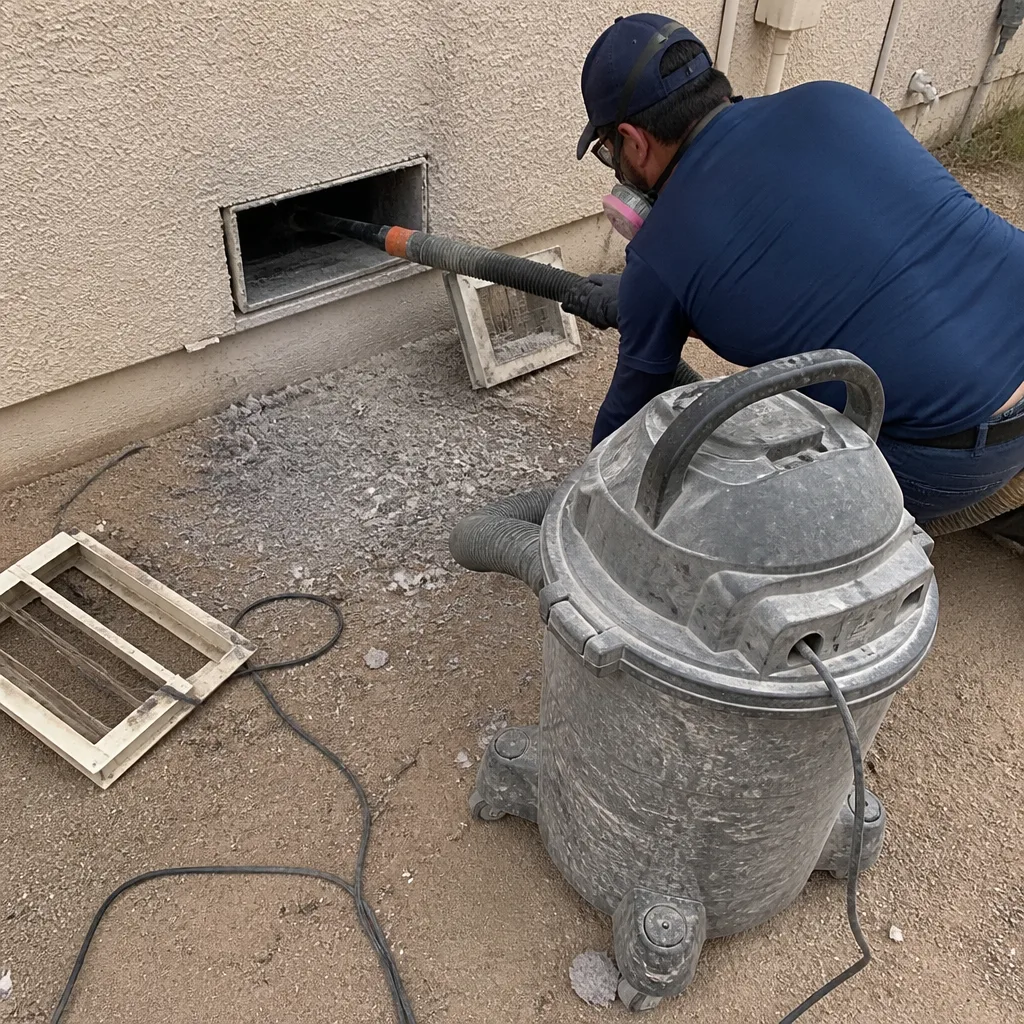 Before
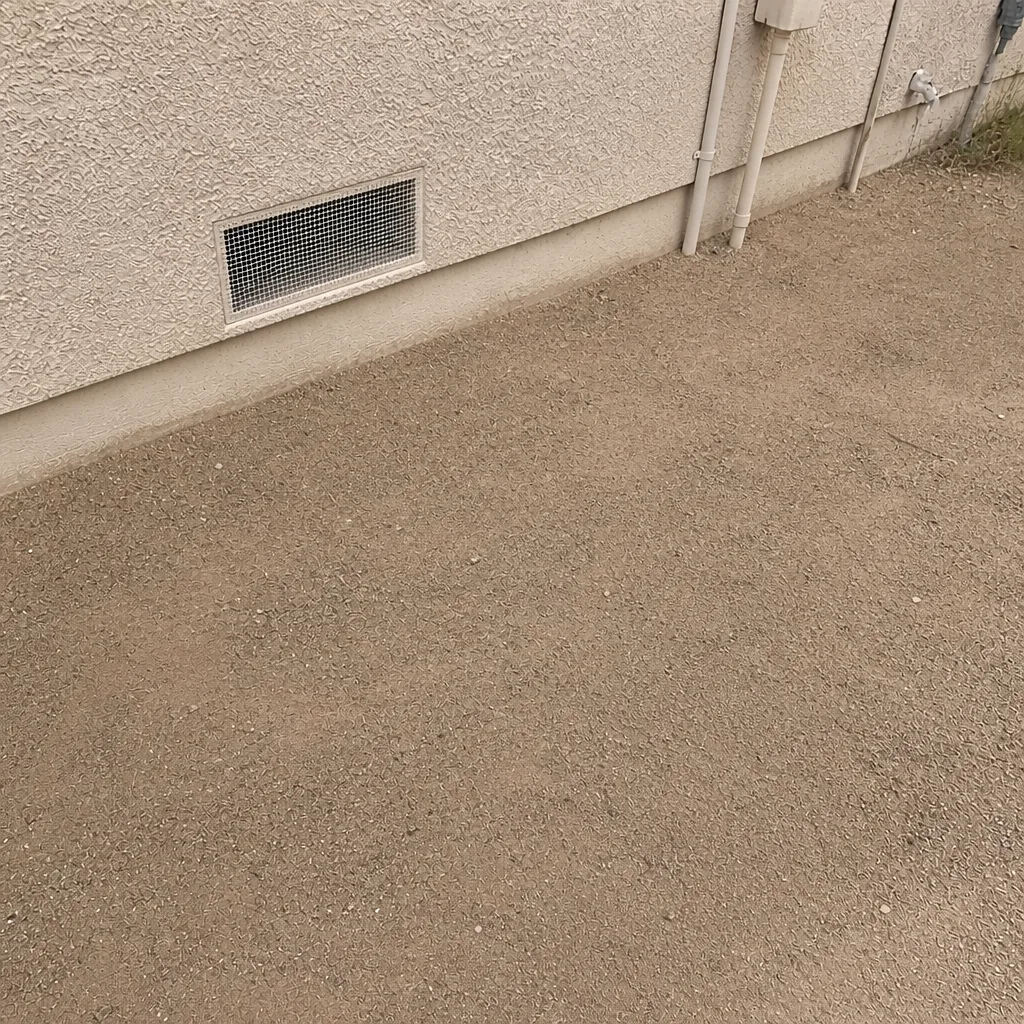 After
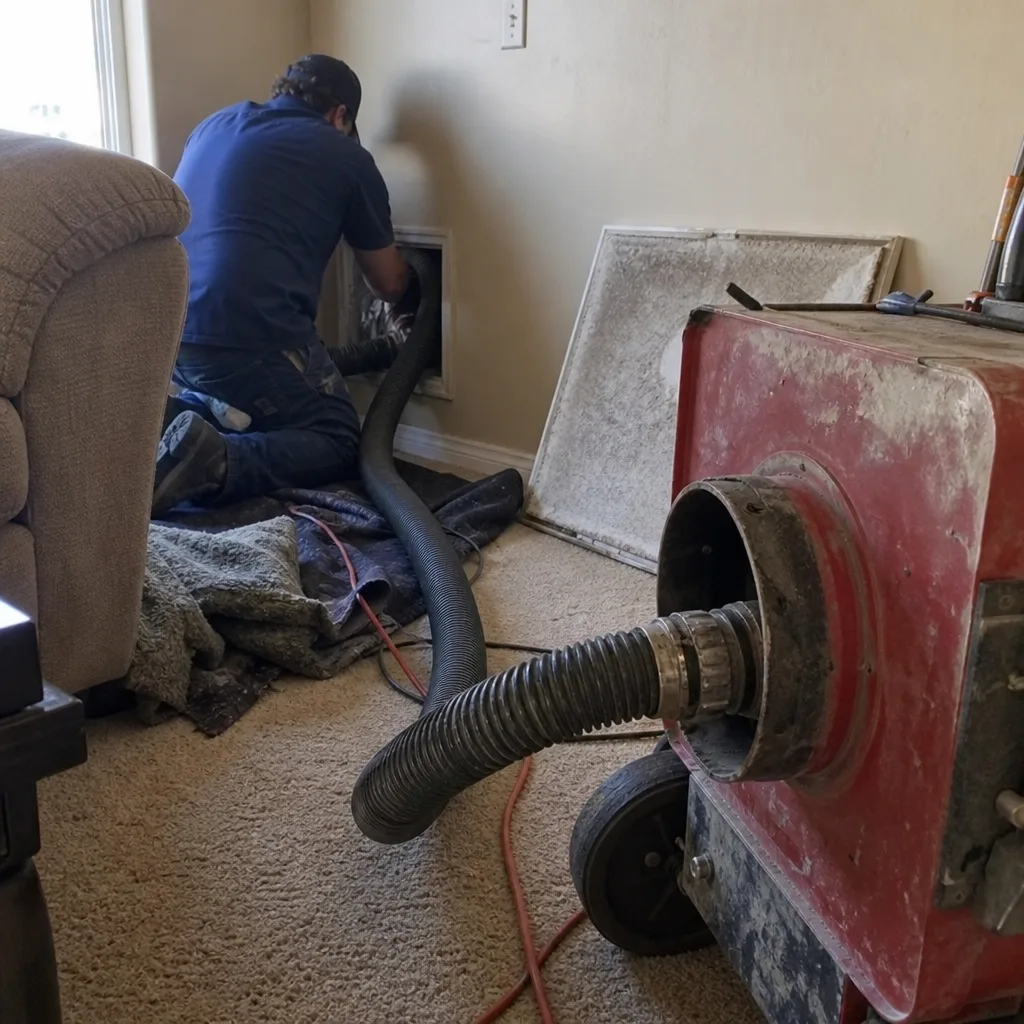 Before
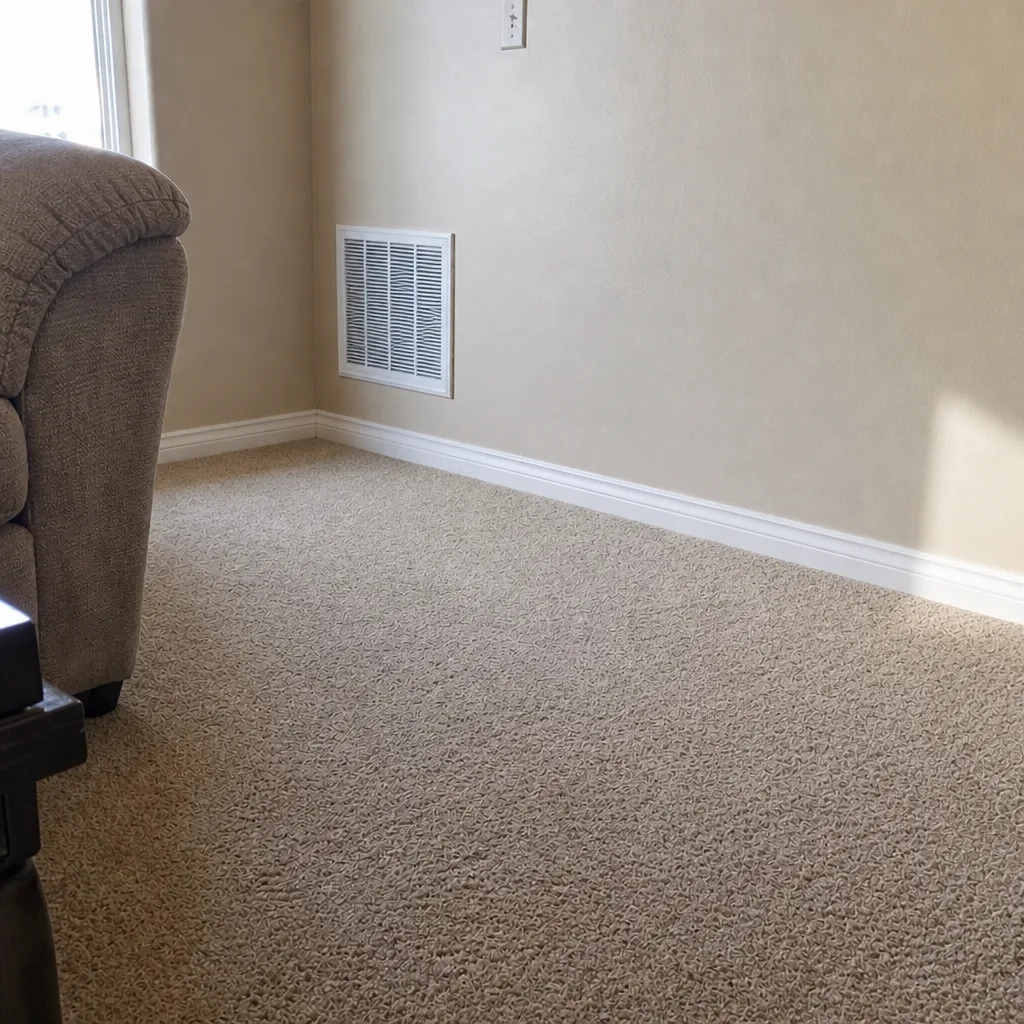 After
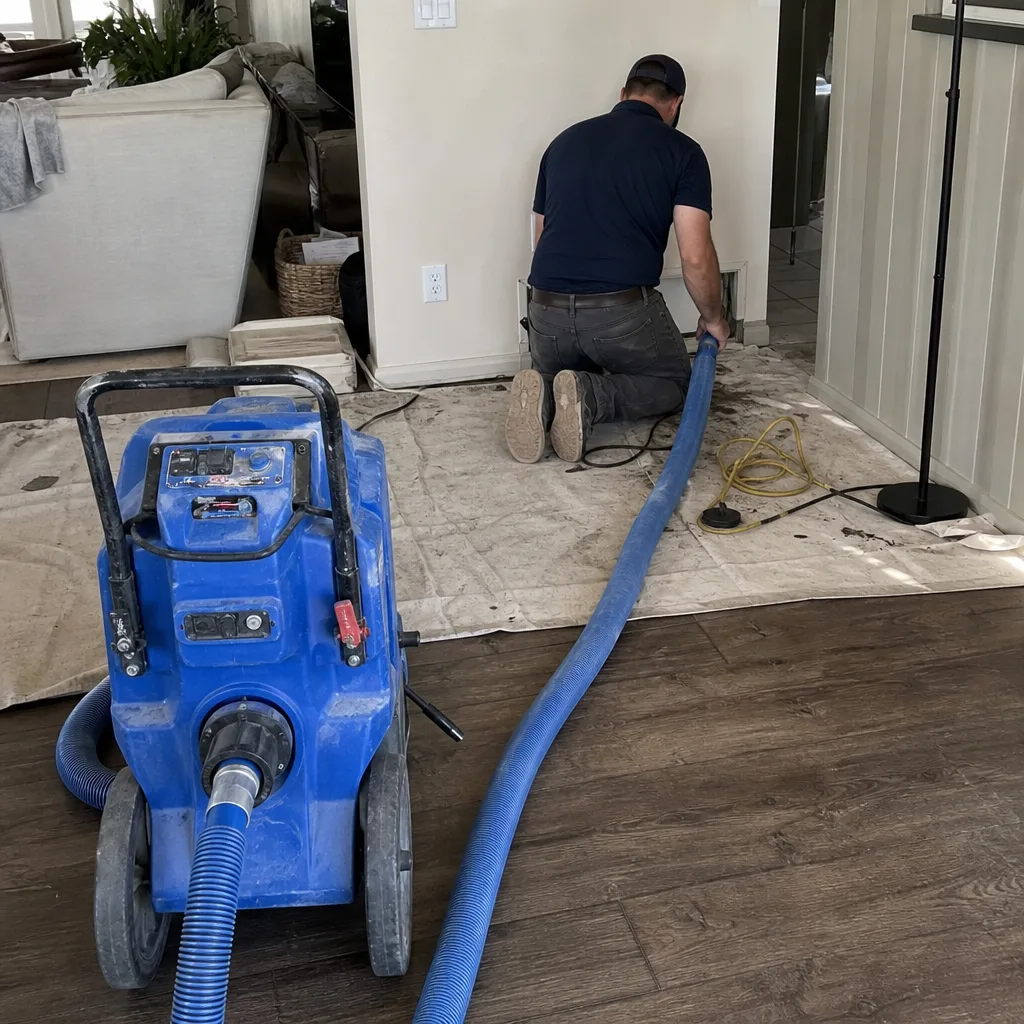 Before
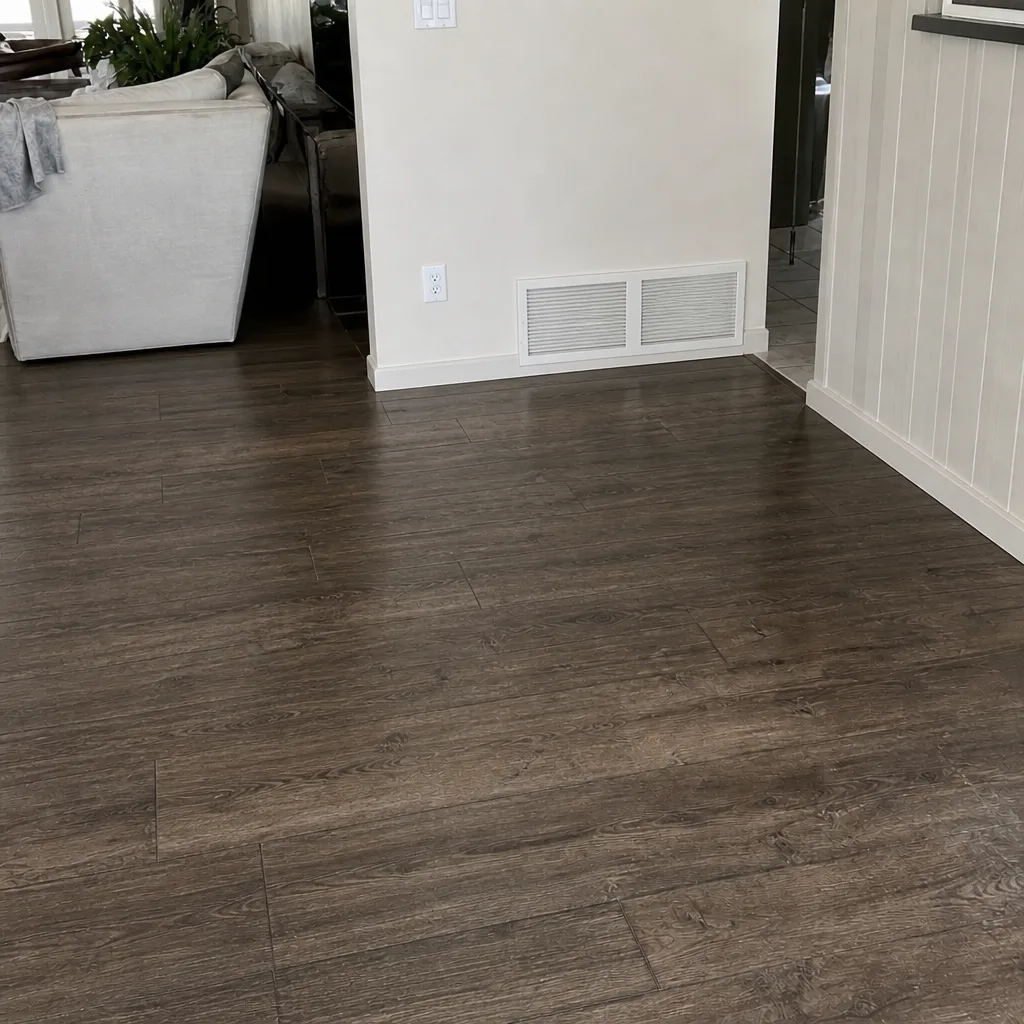 After
When to Call a Professional
Some signs mean it’s time to book. If you’ve just bought a home in Buckeye and don’t know the previous owner’s maintenance habits, a camera inspection and cleaning is the right starting point. If you’ve just finished a renovation, drywall dust and insulation fibers are being pulled into the return every time the AC runs, and cleaning should follow the work. If allergy symptoms are worse inside the house than outside, or if you notice dust settling on surfaces faster than usual, heavy duct buildup is a likely contributor. If the dryer takes noticeably longer than it used to, that’s a dryer vent call. If the system seems to be running more than it should while rooms stay uneven, restricted or leaking ducts may be the cause, and cleaning often uncovers it. Duct Cleaning Buckeye uses professional Rotobrush and Nikro systems on every job and offers free estimates in Buckeye. Call (866) 361-5107 to book one.
Frequently Asked Questions
For most Buckeye homes running AC nine or more months a year, every two to three years is a practical interval, with a camera inspection before booking to confirm. The national three-to-five-year guidance assumes seasonal system runtime; Buckeye’s near-year-round cooling means debris accumulates faster than that rule suggests. Homes near open desert, homes with recent renovations, and homes with uncertain maintenance history benefit from cleaning sooner. Call (866) 361-5107 for an exact quote. Estimates are free.
Air duct cleaning in Buckeye is priced per system, not per vent, with the total depending on system count, register count, condition and access. We quote a flat price per system in a written estimate before work begins, and that written estimate is what sets the final price. The number holds from booking through invoice. Call (866) 361-5107 for an exact quote. Estimates are free.
Because they’re doing a different, smaller job. A low quote usually skips source-removal cleaning, skips negative-pressure setup, skips access ports and skips verification, which means the contamination stays where it was. It’s cheaper because it does less. The price quoted on the phone also tends to grow once the technician is on site, with per-vent charges and add-ons. A flat price per system agreed in writing avoids that pattern. Call (866) 361-5107 for an exact quote. Estimates are free.
Ask for three things: before-and-after photos or camera video of your own ducts, airflow measurements taken before and after cleaning, and a documented filter baseline with the size and installation date. These are reasonable requests and a specialist will agree without hesitation. If a provider won’t offer them, that’s a signal to book elsewhere. Call (866) 361-5107 for an exact quote. Estimates are free.
It usually reduces dust settling on surfaces, particularly when the buildup in the system is heavy. Dust gets into a house through two paths: infiltration through the building envelope and circulation through the HVAC system. Cleaning removes the second source. Sealing leaks and filter discipline handle the first. Most Buckeye homes benefit from all three. Call (866) 361-5107 for an exact quote. Estimates are free.
Yes, you or another adult should be present for the duration. Duct cleaning involves access to the air handler, registers and the ducts themselves, and the technician needs someone on site to confirm the scope, approve any repair work the cleaning uncovers, and handle sign-off at the end. It’s also your chance to look at the before-and-after photos before the technician leaves. Call (866) 361-5107 for an exact quote. Estimates are free.
The Bottom Line
Buckeye’s desert dust is different from what most duct cleaning advice was written for. It’s finer, more abrasive, and it bonds to duct walls in a way that only mechanical agitation under negative pressure really removes. Because the AC runs most of the year, debris accumulates faster than the national rule suggests. What a genuinely thorough job involves is specific: sealed registers, real vacuum pressure, rotary agitation through every run, access ports, repair of anything the cleaning uncovers, and verification with photos and airflow readings. And dryer vent cleaning deserves its own appointment because it protects against fire, not just dust. If you want a real number for your house, call (866) 361-5107 for a free estimate. We work on one flat price per system, agreed in writing before work starts. If you want to start with the basics, visit Buckeye or Duct Cleaning Buckeye to see the full scope.
Written by the team at Duct Cleaning Buckeye.