
Last updated November 15, 2026
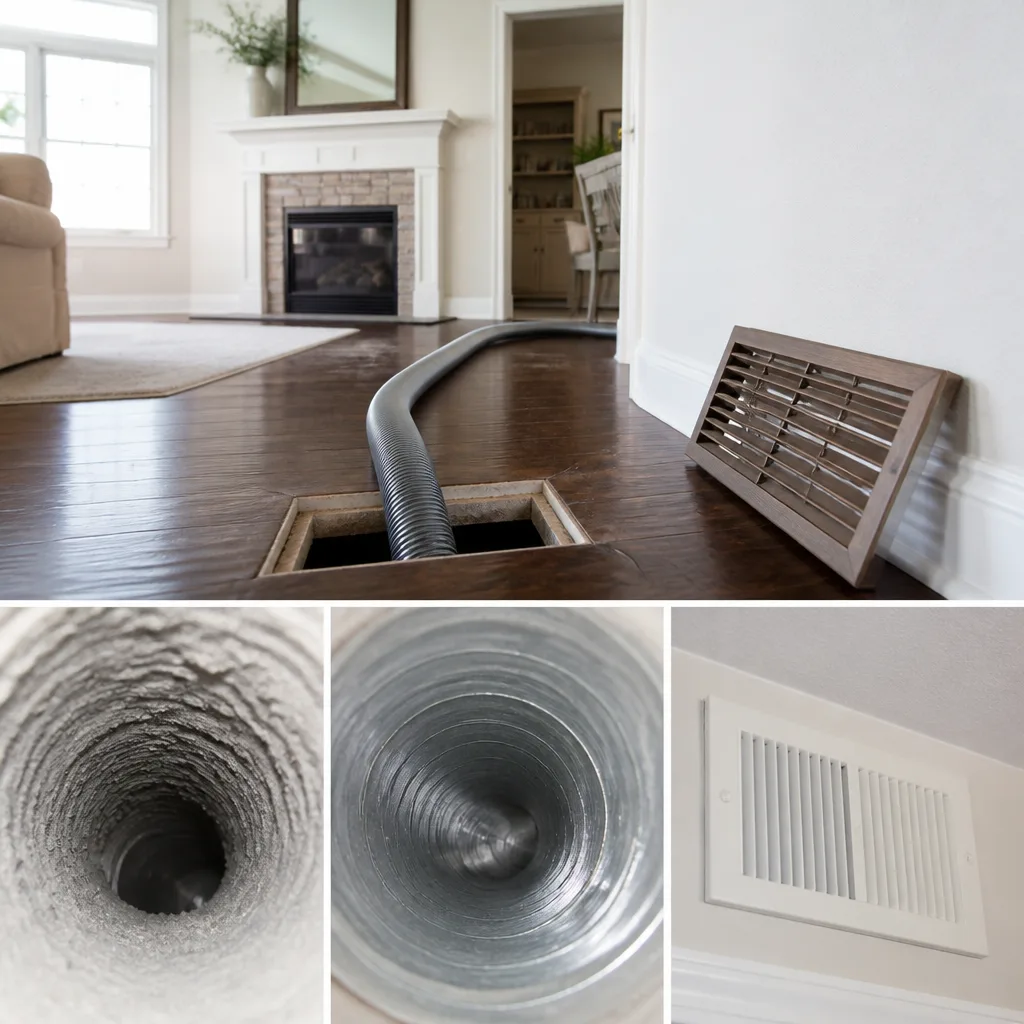 Whole-home duct cleaning
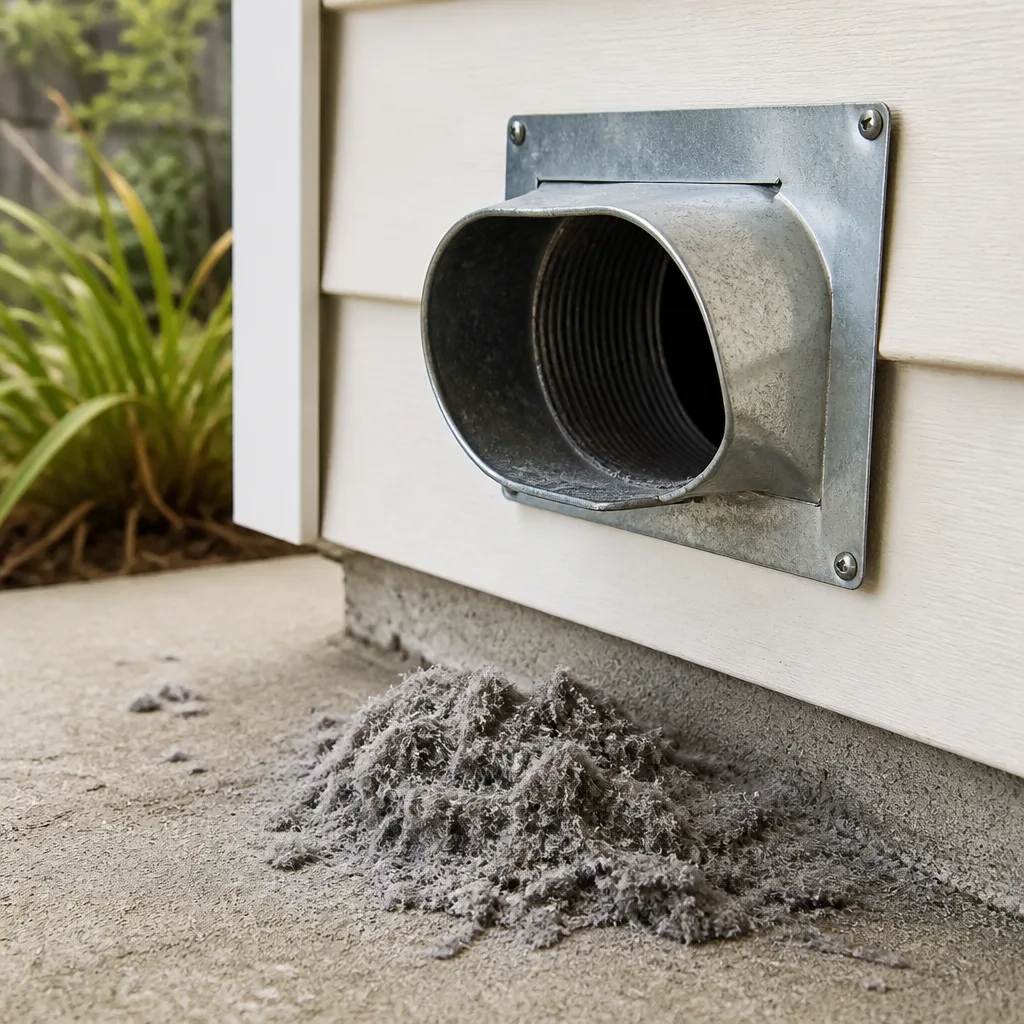 Dryer vent cleaning
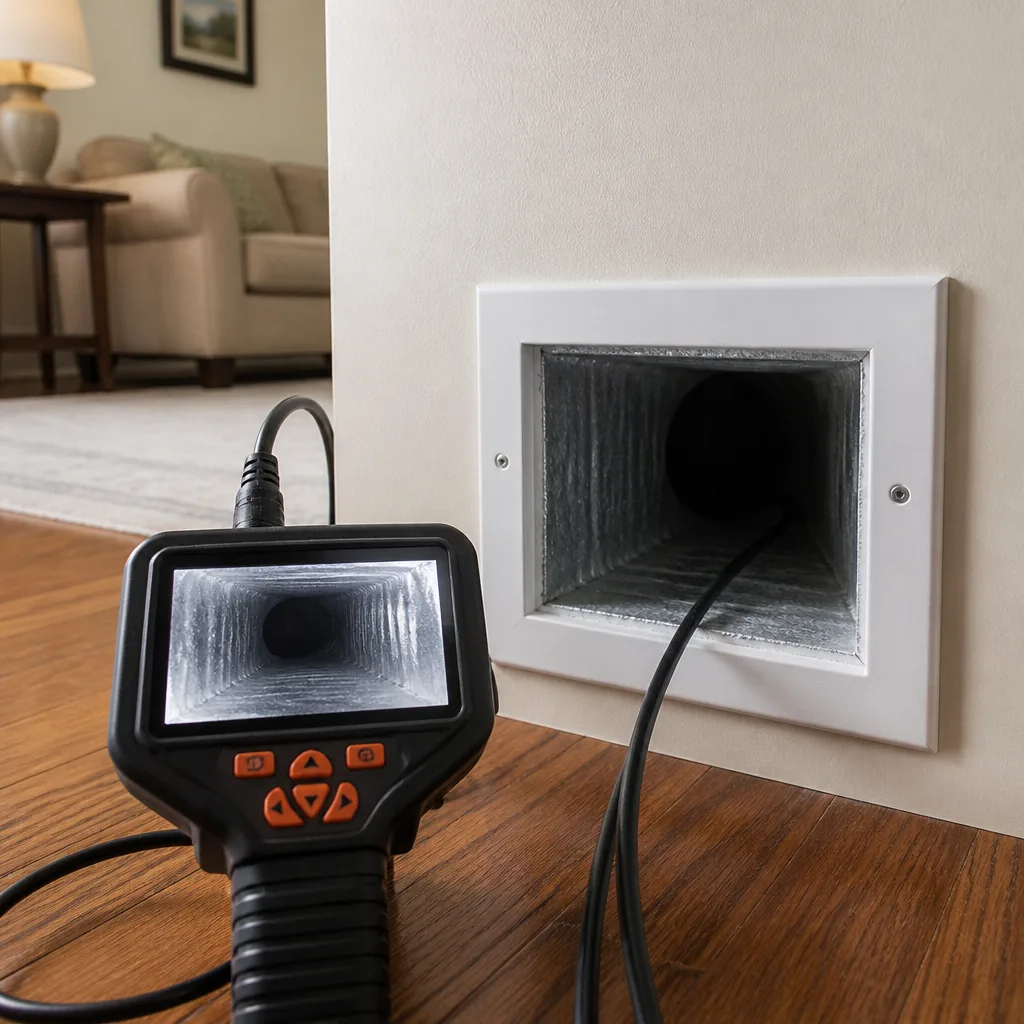 Camera inspection
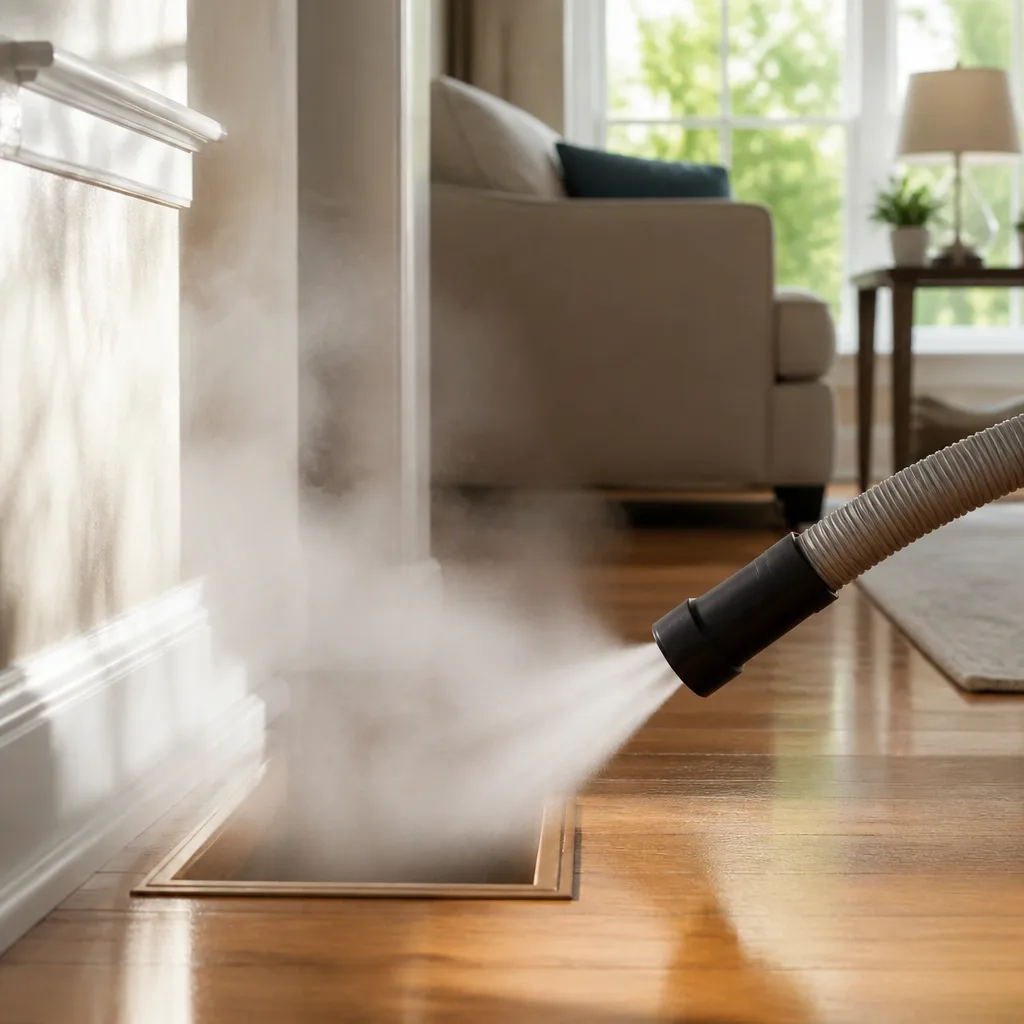 Sanitizing & deodorizing
Whole-system duct and dryer vent check with before-and-after photos - you see exactly what came out of your vents
That "$99 whole-house special" is a bait ad - the real number appears once they are in your hallway, or the "clean" is a shop-vac at the register. We photograph the inside of your ducts before and after instead.
Air Duct Cleaning Warning Signs: A Buckeye Homeowner’s Reference Guide
The warning sign homeowners notice first is almost never a duct problem in their mind. It’s a room that doesn’t cool like it used to. A register that hisses a little softer than last summer. A layer of dust back on the coffee table three days after you wiped it down. These small complaints rarely get traced back to the duct system, even when restricted airflow from debris buildup is the direct cause. This guide is about those early, quiet signals in Buckeye homes, what each one means mechanically, and how to tell a real duct problem from an ordinary household annoyance.
Quick Answer
The main warning signs you need air duct cleaning in Buckeye are uneven room temperatures, dust that returns to horizontal surfaces within days, rising energy bills without more usage, musty odors at first cooling startup, and visible debris past the register grille. One sign alone is usually normal. Two or three together, sticking around through a full cooling season, generally point to restricted or contaminated ductwork worth inspecting.
Styles & brands we work with
- Whole-home duct cleaning
- Dryer vent cleaning
- Camera inspection
- Sanitizing & deodorizing
Table of Contents
- Uneven Room Temperatures: What the Pattern Tells You
- Dust Reappearing Within Days: Settling vs. Discharge
- Rising Utility Bills Without Rising Usage
- Musty Odors at First Cooling Startup
- What to Look For Inside a Register Grille
- Airflow Symptoms You Can Measure by Hand
- After Renovation, Purchase, or a Dryer That Takes Too Long
- Common Mistakes to Avoid
Uneven Room Temperatures: What the Pattern Tells You
Uneven temperatures across a Buckeye home are the single most misread duct signal. The trick is reading the pattern, not the symptom. Debris buildup rarely restricts every branch equally. Where a duct run is long, bends hard, or sags under its own weight, air moves slower and debris settles faster. That’s why a bedroom at the end of a long run tends to fall behind a living room fed by a short, direct run from the plenum.
Here’s how the pattern usually breaks down:
- One or two rooms consistently behind, the rest fine: most often a restricted branch duct or a run that lost pressure at a joint. This pattern points toward a duct issue rather than the air handler.
- Rooms on one side of the house all lagging: a trunk line or plenum-side obstruction feeding that half of the house.
- Every room slightly warm, none badly: could be a system sizing issue, a filter that needs changing, or a refrigerant problem. Not automatically a duct problem.
- The same room warm in summer but fine in winter: worth a careful look at which register that room uses and how much of its run is flexible duct sagging in the attic.
Undersized registers are a separate issue. If a room was always slightly warm, even when the system was newer, that’s usually a design limitation, not a symptom of debris. Cleaning won’t fix a register that was too small from day one. A duct specialist should be able to tell you which is which during an inspection. In our experience, the split is often right down the middle: half the complaints are airflow restriction worth cleaning, half are sizing or equipment questions we point back to the HVAC side.
Dust Reappearing Within Days: Settling vs. Discharge
All homes collect dust. That’s ordinary settling, and it’s slower than most people think: a fine even film after a week of open windows, concentrated under ceiling fans and on top of picture frames. What’s different is duct discharge, where the system is actively pushing debris out of the registers and into the room.
Here’s how to tell the two apart:
- Settling dust shows up in a slow, even layer and collects everywhere alike: shelves, sills, under beds, tops of doors. Wiping it down buys you several days or a week.
- Discharge dust comes back within 24 to 72 hours and clusters near the return grille and the supply registers, especially horizontal surfaces directly below or in the airstream. It often feels grittiest on the closest surface.
- Look at the register vanes. If the louvers are caked with grey-black material that darkens after cleaning, debris is coming through the duct, not falling from the room.
- Check the return filter. A filter that turns grey-brown far faster than normal, or that bows inward from suction, means the return side is packed.
One more test worth knowing: wipe a clean dark cloth across a shelf three days after dusting and compare it to the same wipe on a shelf in a room you rarely use. If the wipe near the register is heavier, discolored, or gritty, the duct is likely the source. Dust that returns fast in a home that never opened a window through the summer is a stronger signal than fast dust in a home with the doors open all day.
Rising Utility Bills Without Rising Usage
A jump in your electric bill is only meaningful if your usage went up with it. If the thermostat schedule, the number of people at home, and your habits all stayed the same but the bill climbed, that’s the variance worth taking seriously. Restricted airflow forces the blower to work harder and the system to run longer to reach the same temperature. In Buckeye, where the cooling season is long and the heat is steady through the summer, that extra runtime shows up on the bill faster than in milder climates.
You can build a rough efficiency baseline yourself with three numbers:
- Track monthly kWh for 12 months, if your utility app shows it. Write down each month next to the average high temperature for that month. You’ll see the shape of your normal curve.
- Compare this year’s month to the same month last year. A same-weather month is a fair comparison. A month separated by a season isn’t.
- Note the variance. A modest seasonal difference is weather. A month that lands noticeably higher than the same month last year, with the same thermostat habits, warrants a look at airflow before anything else. There’s no fixed percentage that means “duct problem,” so treat it as a flag, not a diagnosis.
Keep in mind that a clogged filter, a failing capacitor, low refrigerant, or a dirty evaporator coil can each produce the same bill climb. A proper inspection tells you which. Duct restriction is common, but it’s not the only cause, and any duct specialist who says otherwise without checking the equipment isn’t being straight with you.
Musty Odors at First Cooling Startup
When you turn the system on for the first time after a stretch off, and the first air out of the registers smells like a hot attic or an old basement, that’s off-season accumulation announcing itself. In Buckeye, the system can sit idle for months at a time in the mild season, and during that idle stretch the plenum, evaporator cabinet, and duct interiors collect dust and any moisture that lingers after the last cooling cycle. Warm air passing over that material on startup picks up the smell and carries it through the house.
What the smell tells you:
- A musty, earthy note that fades after 10 to 20 minutes: typical of a plenum with accumulated dust and light biological growth on cool, damp surfaces. It usually needs cleaning and humidity attention.
- A hot, dry, dusty smell: dust burning off the heat exchanger or the plenum. Common after a long idle period, but worth checking if it persists past a few minutes.
- A persistent smell that gets stronger over weeks: worth a professional look. It could be debris buildup deeper in the system, or something outside the duct system altogether.
Short of a full inspection, you can narrow the source with one simple test. Run the fan only, with the cooling off, and note whether the smell appears at the supply registers or the return. Supply-side smell points toward the ducts. Return-side smell points toward the return chase, the filter box, or the indoor unit itself. That distinction saves a lot of guessing on the inspection.
What to Look For Inside a Register Grille
A flashlight and a stubborn streak will get you a lot of information before you call anyone. Pull one supply register cover on each system zone and one return cover. You’re looking for surface dust versus debris deeper in the run. Surface dust is a fine even film inside the grille vanes that wipes away gray on your finger. Debris deeper in the run is different: clumps, mats, or a visible layer sitting on the bottom of the duct.
What to note while you’re in there:
- The grille vanes. A light grey dust film is normal. Thick dark material that flakes when touched is not.
- The visible duct wall past the boot. Shine the light down the run and watch for any coating on the sheet metal or interior of the flex duct. Clean metal is silvery. Debris buildup looks dull and textured.
- The gap between the boot and the wall or floor. Gaps here mean air is escaping into the wall cavity or attic instead of into the room, which can look like a duct cleaning problem but is actually a sealing problem.
- Anything biological-looking. Dark fuzzy patches, evidence of pests, or material that looks wet are reasons to stop and call a professional rather than run the system further.
- Condensation or moisture. Damp insulation around a duct in an attic is a sign the duct is sweating in the heat, which encourages growth.
A word of caution. Don’t reach into a duct run past the boot, and don’t try to clean a supply duct with a shop vac from the register. You can knock loose material deeper into the system, damage flex duct, or worse, break a seal in a hard-to-reach place. Use the flashlight for information. Save the physical work for a professional with the right equipment. Our technicians use professional-grade Rotobrush and Nikro systems precisely because the work involves agitating and extracting debris, not just reaching into it.
Airflow Symptoms You Can Measure by Hand
You don’t need instruments to feel restricted airflow. Your hand is a decent airflow gauge once you know what to compare. Hold your palm a few inches from a register, in the same spot on the same grille, on more than one register across the house. If one register feels noticeably weaker than the others, that register’s branch is restricted. If every register feels weak, the problem is upstream: the filter, the blower, or the trunk.
Here’s a quick self-check you can run in about five minutes:
- Warm days vs. cool days: if airflow feels strong when the system first starts and weakens after 20 minutes, the evaporator coil may be icing, which mimics a duct problem.
- One room vs. many: one room consistently weak means a branch obstruction or a closed damper. Many rooms weak means the return side or the equipment.
- Register fully open vs. closed: check that the damper in the register isn’t partially closed. A quarter-turn makes a difference you can feel.
- The return grille: a return that whistles is a sign the filter is packed or undersized, and the return side is asking for more air than it can get.
Pay attention to a register you’ve never adjusted. Plenty of “my airflow is down” calls end up being a damper someone bumped during a furniture move. That’s a good outcome. It’s also why we always check the simple things first.
For a broader view of what the service involves, our guide to air duct cleaning walks through the process from inspection to extraction, and how a professional setup differs from a shop vac approach.
After Renovation, Purchase, or a Dryer That Takes Too Long
Some duct problems have clear timing behind them. If you just finished a renovation, bought a home, or noticed your dryer taking two cycles to dry what used to take one, you don’t need to run the full warning-sign checklist. The trigger event is your checklist.
After a renovation, dust from drywall, sawdust from framing, and fiberglass insulation particles are all things that end up inside the duct system through returns and open register openings. Drywall dust in particular is fine and sticky, and it can coat the interior of ducts and the evaporator coil over weeks. A cleaning after a major renovation is standard practice, not a luxury.
A home purchase is the other classic case. You have no way of knowing when the previous owners last cleaned the ducts, and a pre-purchase inspection won’t tell you. If the home sat vacant for a while before you moved in, the first cooling season tends to reveal accumulation through smell and dust before anything else. Reasonable starting point: one cleaning, then assess from there.
A dryer that takes too long is the third trigger, and the one we take most seriously. Lint accumulates in the dryer vent run over time, and a clogged vent is a leading cause of residential fires, plus it’s inefficient and hard on the dryer. Buckeye homes with a long vent run to an exterior wall, or a vent that elbows a few times before it exits, are especially worth checking. Separate from the duct system and its own job, it’s why dryer vent cleaning is one of our three core services rather than an add-on for another visit.
Common Mistakes to Avoid
- Treating one warning sign as a diagnosis. Any one of these symptoms alone can come from something other than the ducts. Look for a pattern of two or more that persists through a full cooling season before you assume the ducts need cleaning.
- Choosing a bid on price alone. A suspiciously low quote for a whole-home duct cleaning is sometimes a warning sign in itself, often from a provider whose process is a couple of minutes at each register. Ask what equipment they use and what the job actually involves, and if they can’t tell you specifically, that answers the question for you.
- Cleaning before inspecting. A proper job starts with an inspection, not a vacuum. If a duct is crushed, disconnected, or leaking at a joint, cleaning it and walking away leaves the actual problem in place. We clean, then we inspect, and if we find damage, we fix it.
- Assuming cleaning will fix sizing problems. A register that was too small when the house was built stays too small after a cleaning. If one room was always slightly warm, expect cleaning to improve but not fully correct it.
- Ignoring the return side. In our experience, the return chase and plenum carry as much or more accumulation than the supply runs. A cleaning that only touches supply registers isn’t a cleaning of the system.
- Running the system with a badly clogged filter. A filter packed solid restricts airflow as surely as a duct obstruction. Change it before you call anyone. A surprisingly large share of airflow complaints end here.
- Trying to clean a duct run yourself with a shop vac or an improvised brush. Ducts are built for airflow, not for someone reaching in. You can crush flex duct, break a seal you can’t see, or push debris deeper. Leave the extraction to equipment built for the job.
- Forgetting the dryer vent entirely. It’s a separate system from your air ducts, but a clogged dryer vent is a fire-safety issue, not just a performance one. Add it to the inspection if your dryer has been running long.
See the difference
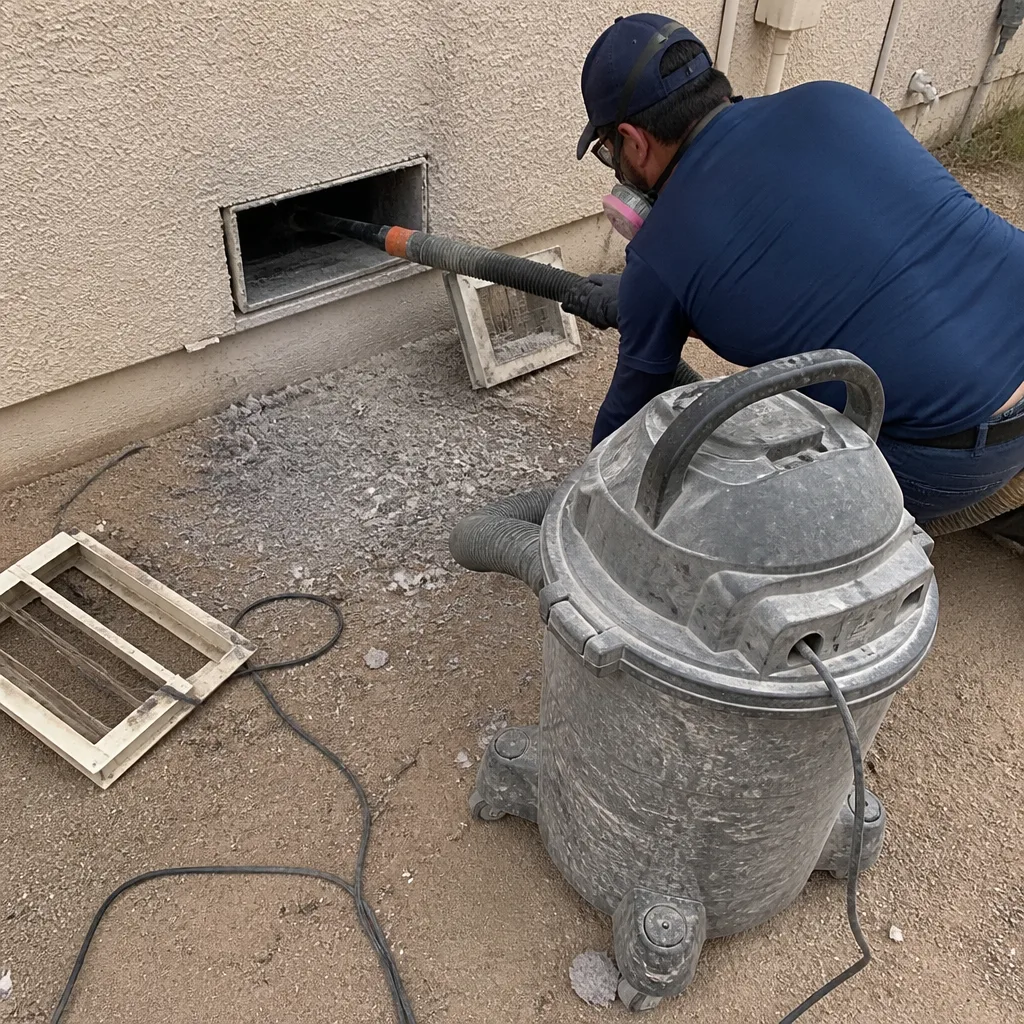 Before
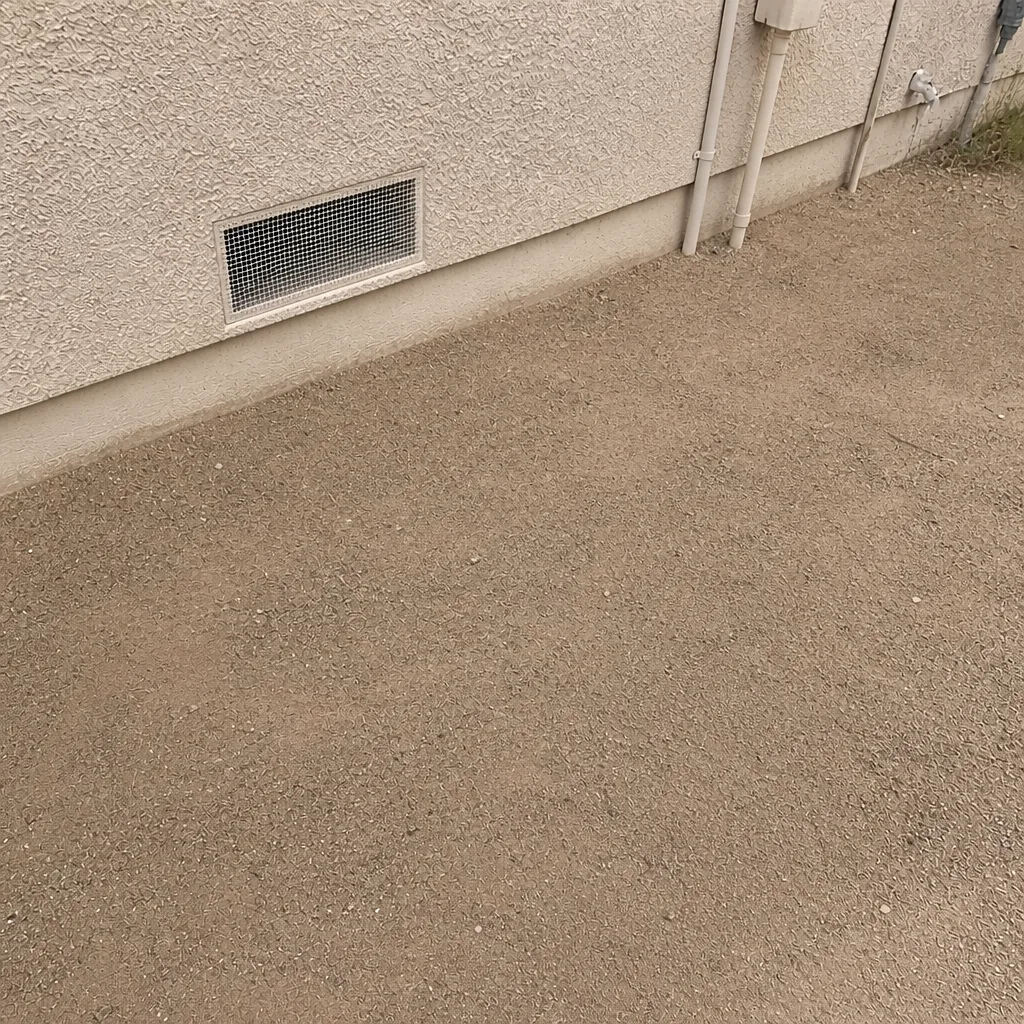 After
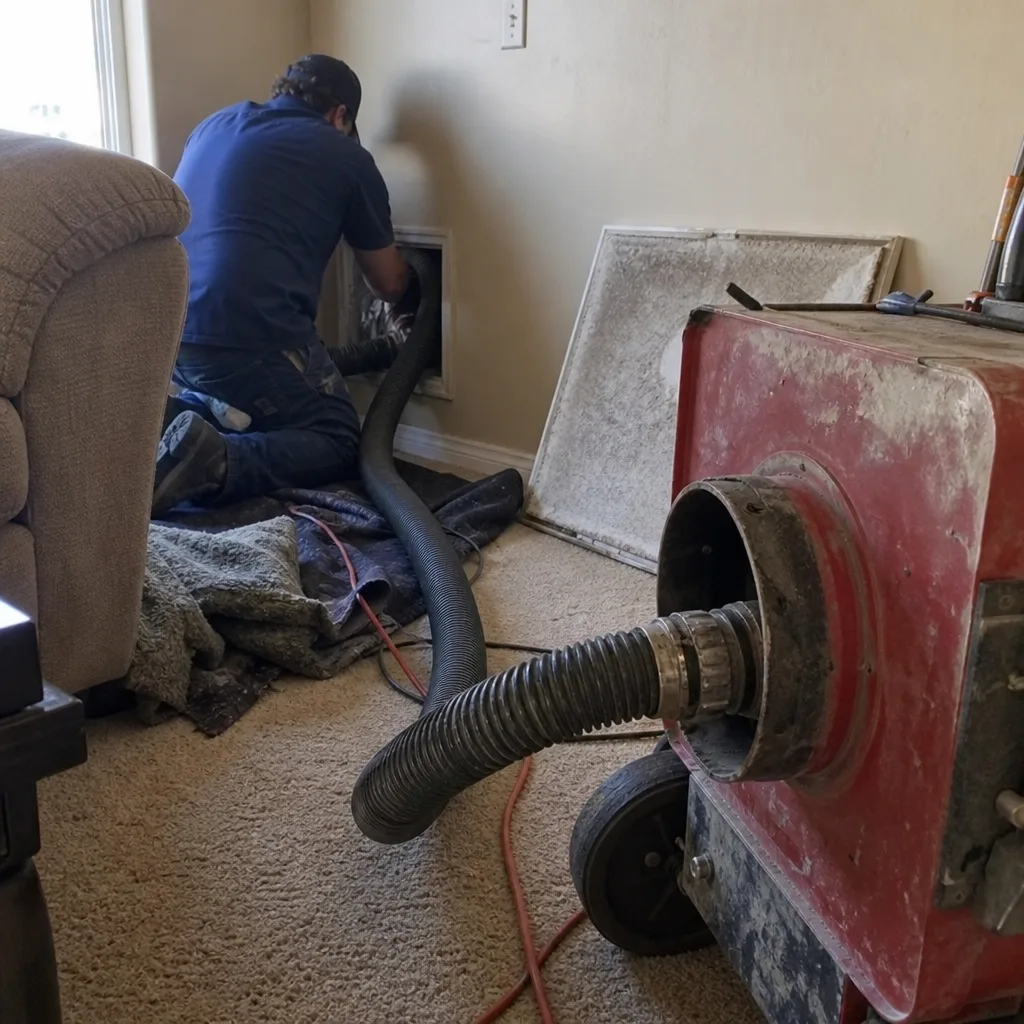 Before
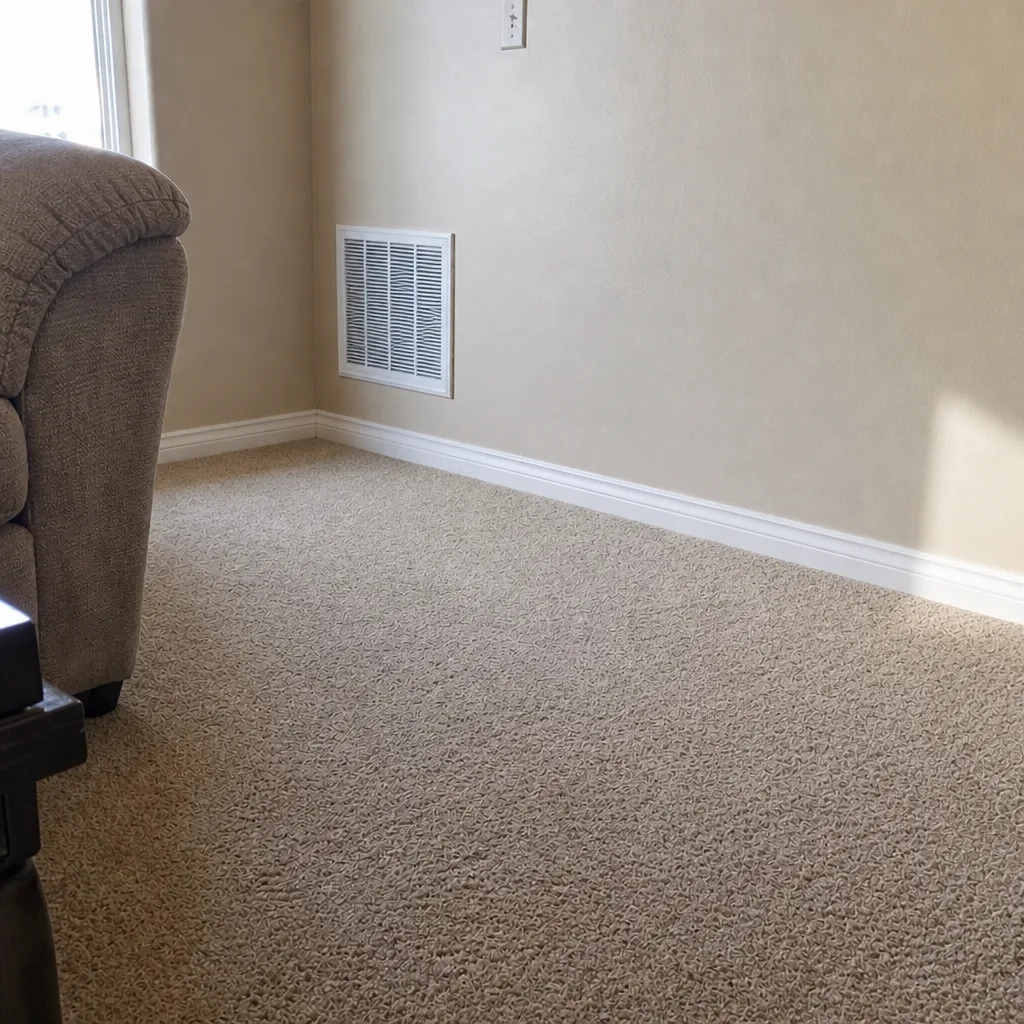 After
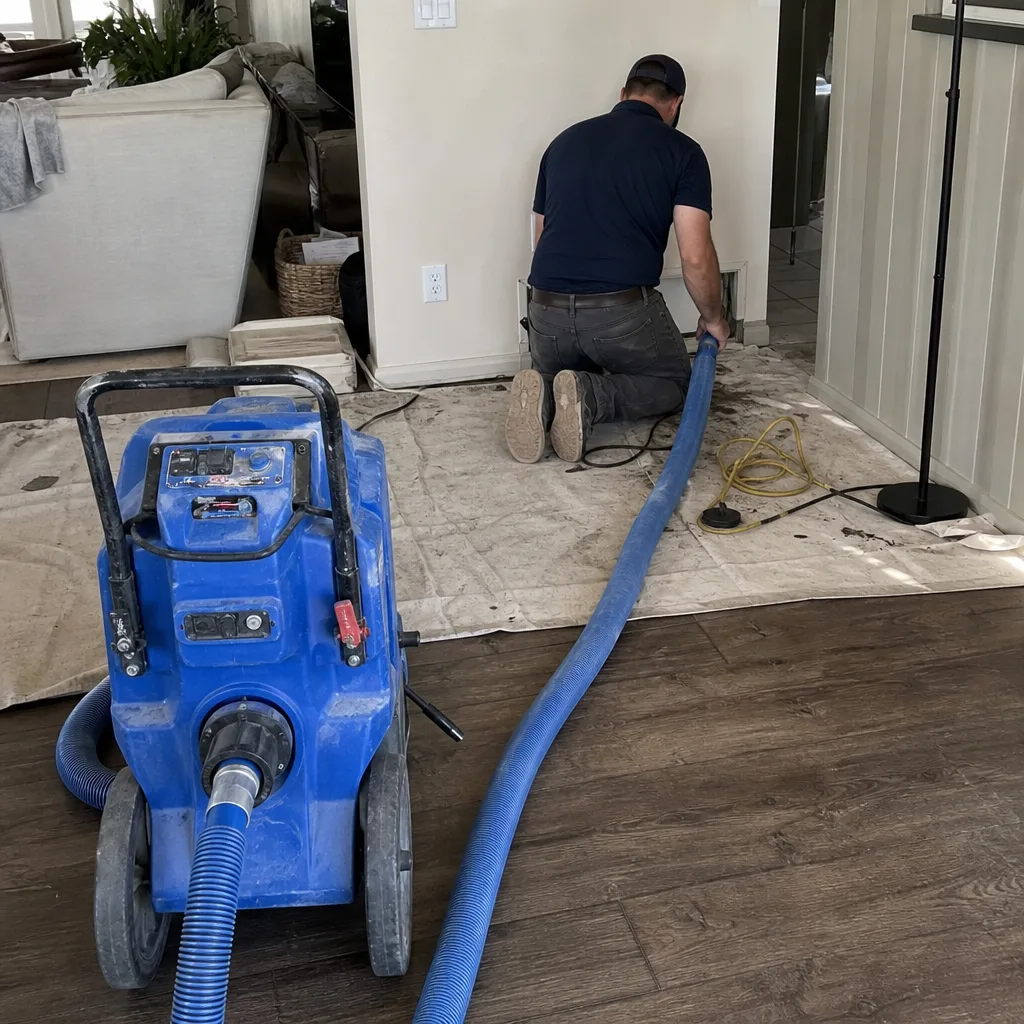 Before
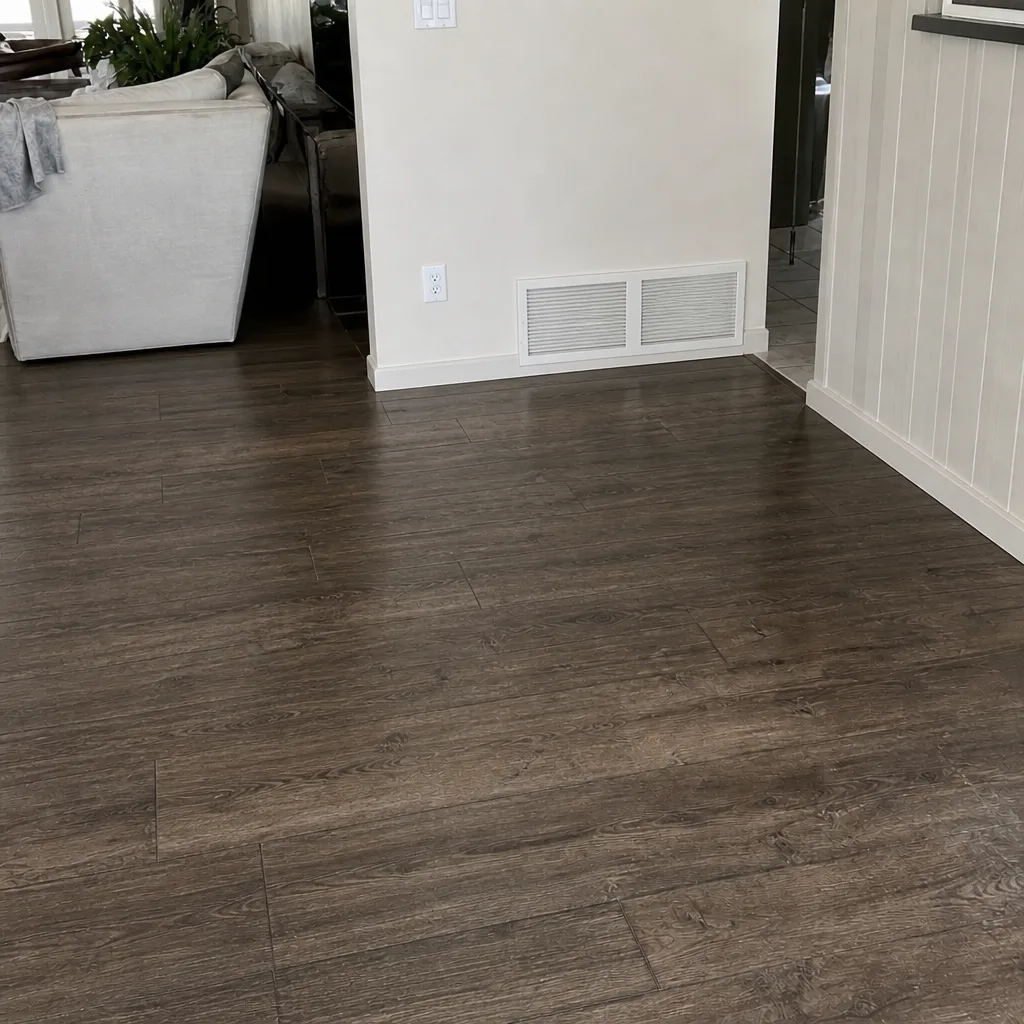 After
When to Call a Professional
Call a professional if you see three or more warning signs from this guide at the same time, if the register inspection shows thick dark material or evidence of pests, if the smell at first cooling startup has gotten stronger over recent summers, or if you’ve just finished a renovation or bought a home with an unknown cleaning history. Also call if your dryer is taking longer than it used to, and treat that as a separate safety question rather than a performance one. If damage shows up during a cleaning, you want a specialist who can repair it rather than leave it. Duct Cleaning Buckeye offers free estimates in Buckeye. Call (866) 361-5107. We answer 24/7. Fast dispatch from 7am to 7pm, Sunday through Friday.
Frequently Asked Questions
Most Buckeye homes don’t need duct cleaning on a fixed schedule. Every three to five years is a reasonable working interval for a typical home, and more often after a renovation, a home purchase, or if someone in the home has allergies or respiratory sensitivity. If you’re seeing multiple warning signs from this guide, that timing moves up regardless of the calendar.
Air duct cleaning in Buckeye is priced per system, not per vent, because a whole-system job is the only meaningful unit of work. Pricing varies with the size and complexity of the system and the number of zones, so the written estimate is what sets the final price. We don’t quote per register or with coupon teasers. Call (866) 361-5107 for an exact quote. Estimates are free.
Cheap quotes are usually cheap because the work is minimal: a few minutes at each register, no real agitation of the duct interior, and no inspection of the return or plenum. Ask any provider what equipment they use and how long the job will take. A real cleaning of a whole system involves professional extraction equipment and takes time. If a quote is dramatically lower than the others, the process is the reason.
Ask for before-and-after photos of the duct interiors, taken during your specific job, and ask for the register-by-register layout of what was cleaned. A provider using professional equipment like Rotobrush or Nikro should be able to show you exactly what came out. Both are the kind of thing a serious provider documents as a matter of course.
It can help in the specific sense of removing accumulated dust, dander, and construction debris from the duct system so the air handler isn’t circulating it back into rooms. It’s not a medical treatment and won’t resolve an indoor allergy problem on its own. If allergies are the trigger, cleaning is usually one part of a larger indoor air quality plan, along with filter choices and humidity control.
Stop and get it repaired before running the system further. A crushed, disconnected, or leaking duct sends air into wall cavities and attics instead of into rooms, which means you’re paying to cool air you never feel. We handle duct repair as one of our three core services alongside cleaning and dryer vent work, so if we find damage during a cleaning, we can address it as part of the same visit rather than sending you to someone else. Call (866) 361-5107 for a free estimate.
Yes, in both directions. A clogged filter makes airflow signs look worse than the ducts actually are, while an efficient filter that’s changed on schedule keeps the ducts cleaner over time. If your signs don’t improve after a fresh filter and a filter change every recommended interval, the ducts become the next thing to check. It’s a compatible piece of the picture whether your home runs on Honeywell or Aprilaire equipment.
The Bottom Line
The signals that matter come before the obvious ones. Uneven room temperatures, dust returning in days, a bill climbing without explanation, a musty smell at first cooling startup, and grit past the register grille are the early indicators worth watching in a Buckeye home. Use the register inspection and the airflow check as your first pass. If two or more signs stick around through a cooling season, get a professional inspection. Duct Cleaning Buckeye is your local specialist for cleaning, repair, and dryer vent work across Buckeye, using professional equipment and a per-system process that keeps surprises out of the job. Call (866) 361-5107. We answer 24/7. Fast dispatch from 7am to 7pm, Sunday through Friday.
Related reading: If you’re booking your first cleaning, the overview at Duct Cleaning Buckeye covers what a whole-system job includes and how to prepare for it.
Written by the team at Duct Cleaning Buckeye.