
Last updated November 15, 2026
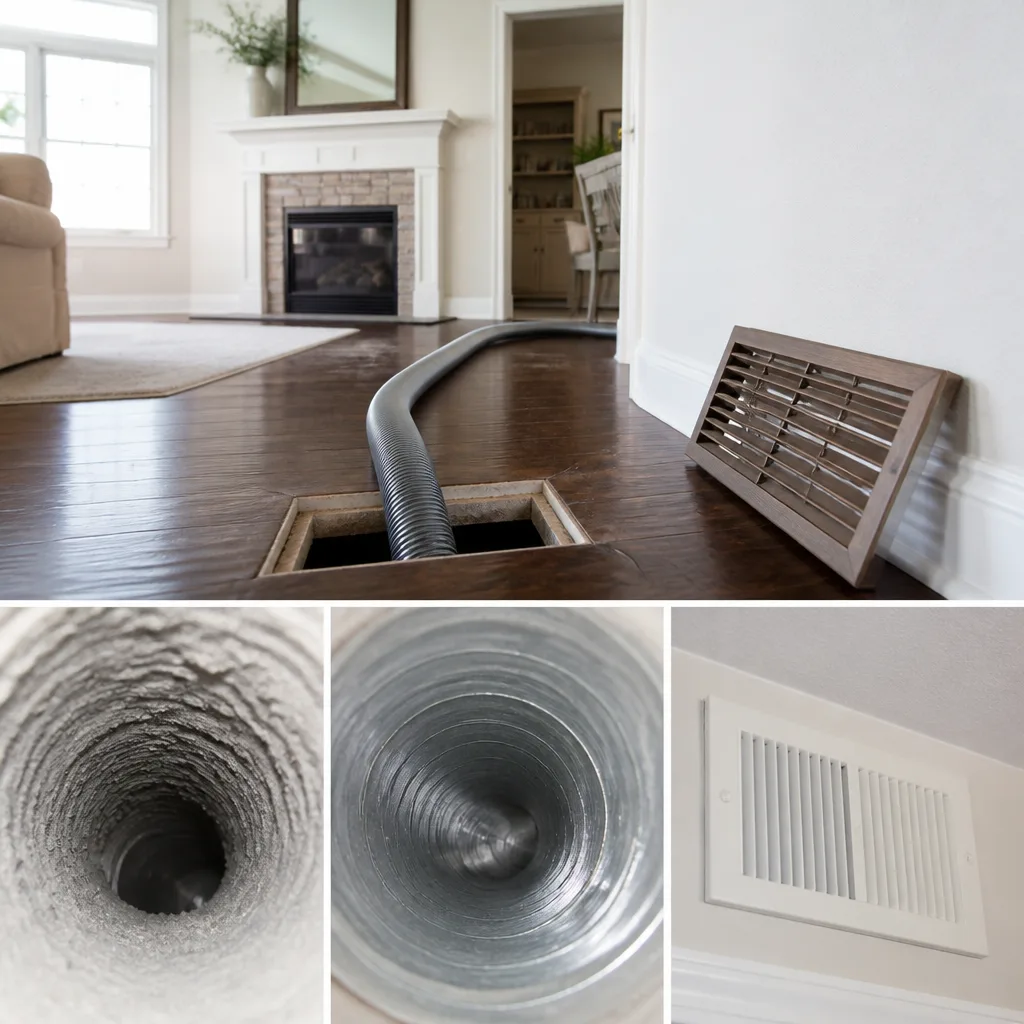 Whole-home duct cleaning
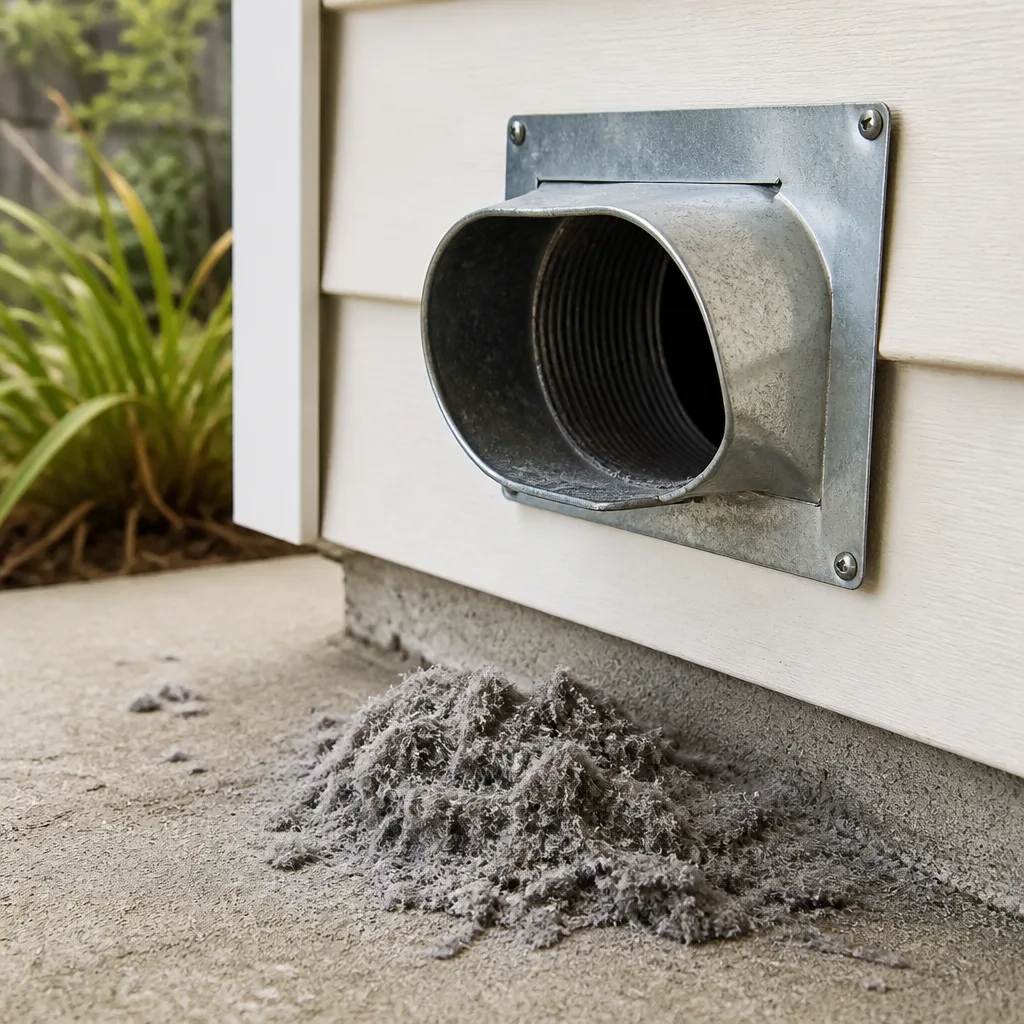 Dryer vent cleaning
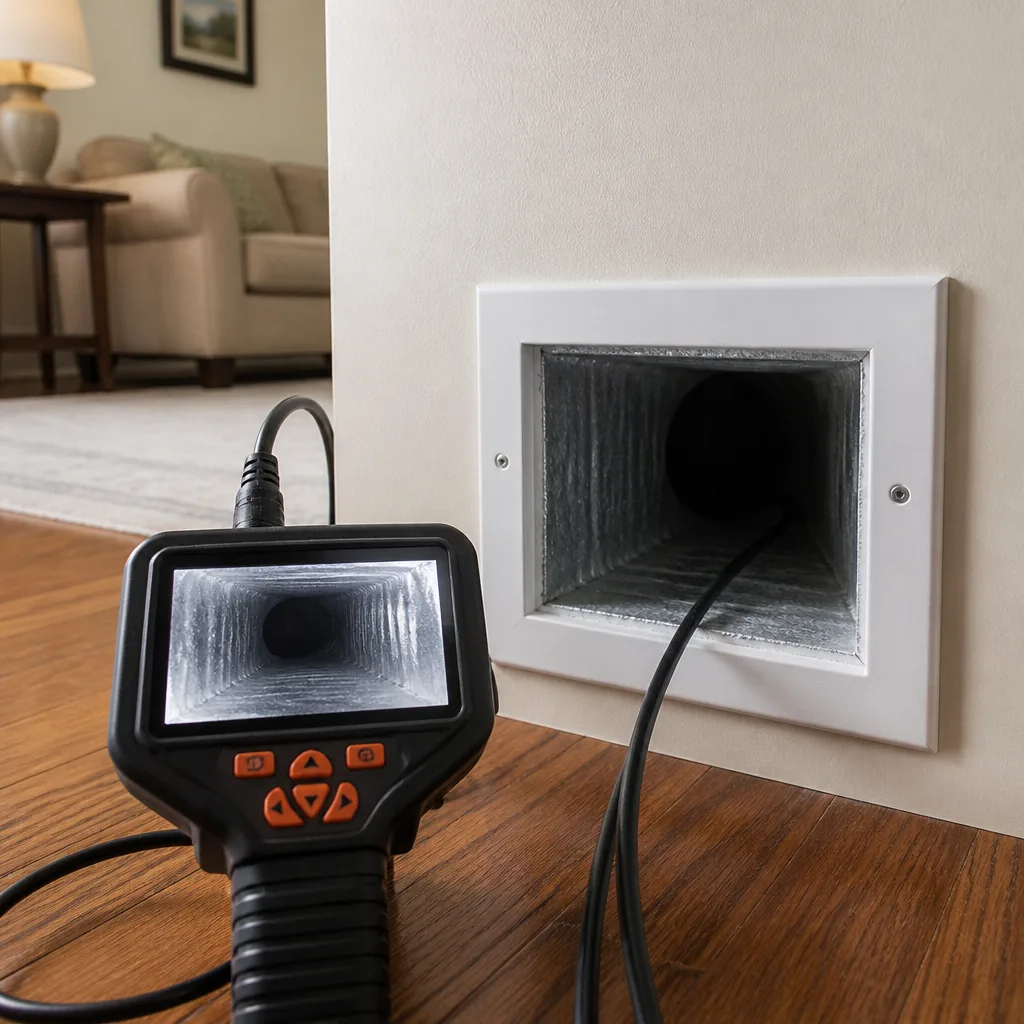 Camera inspection
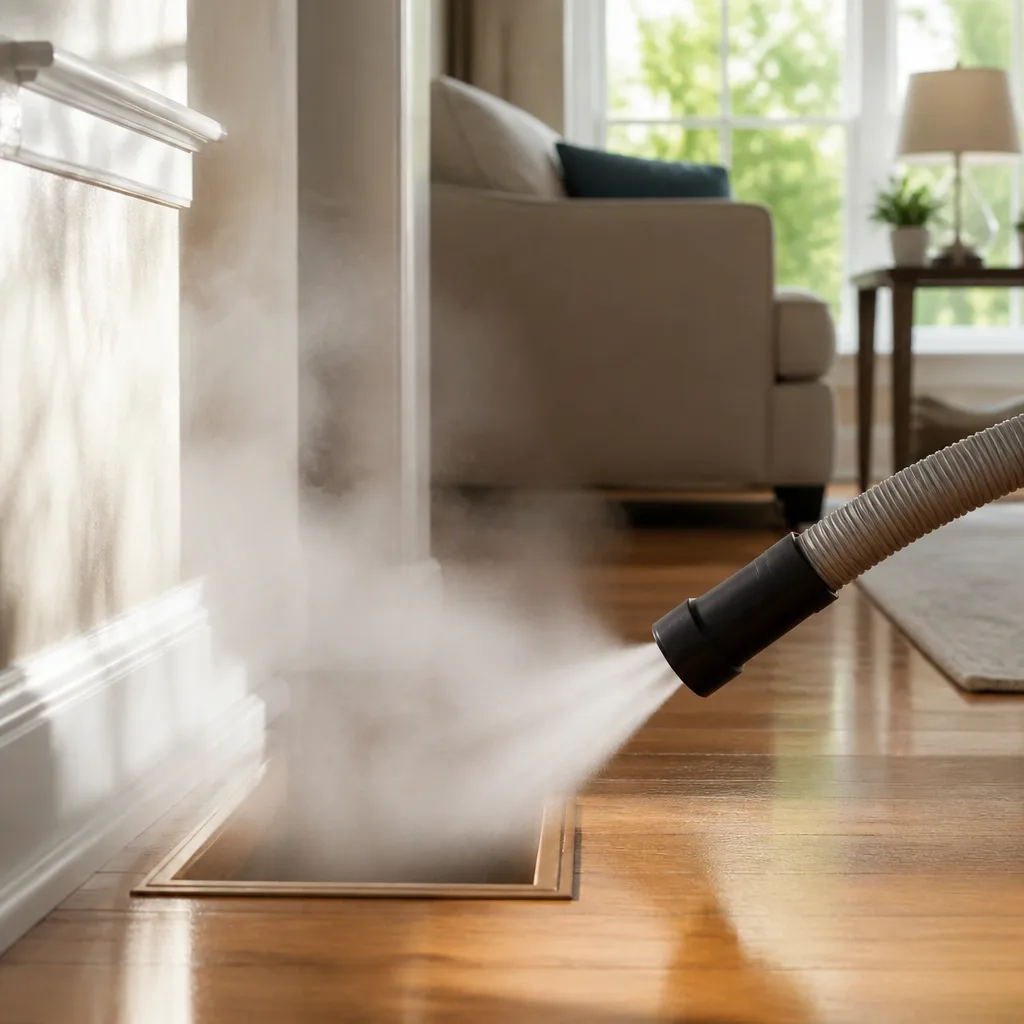 Sanitizing & deodorizing
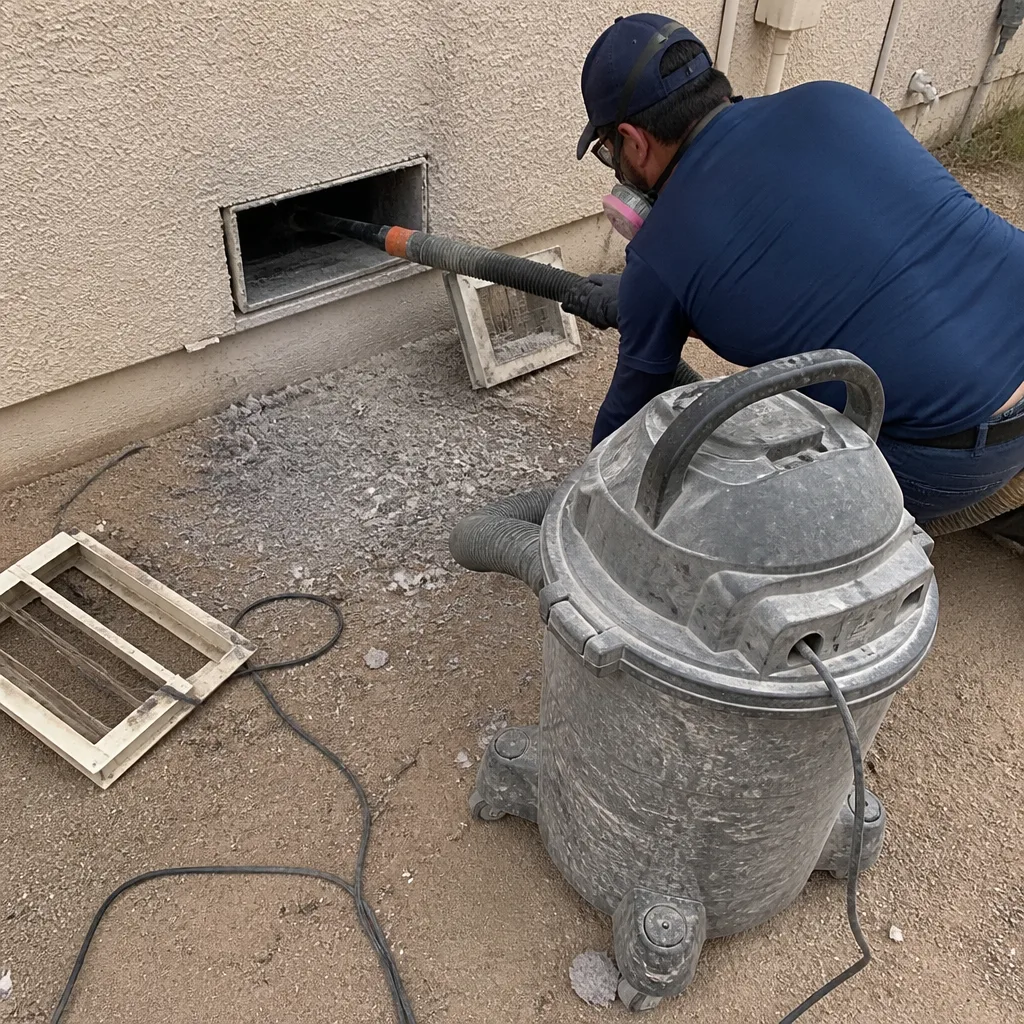
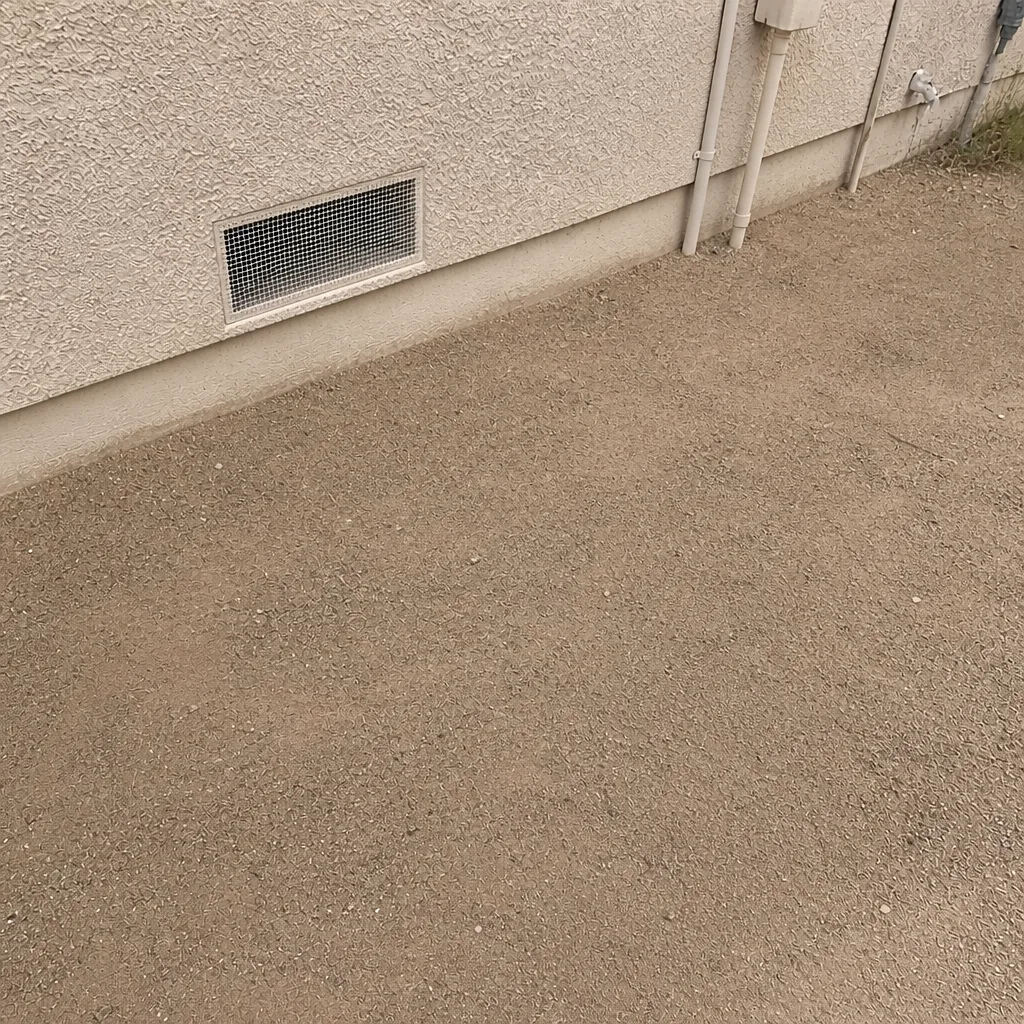
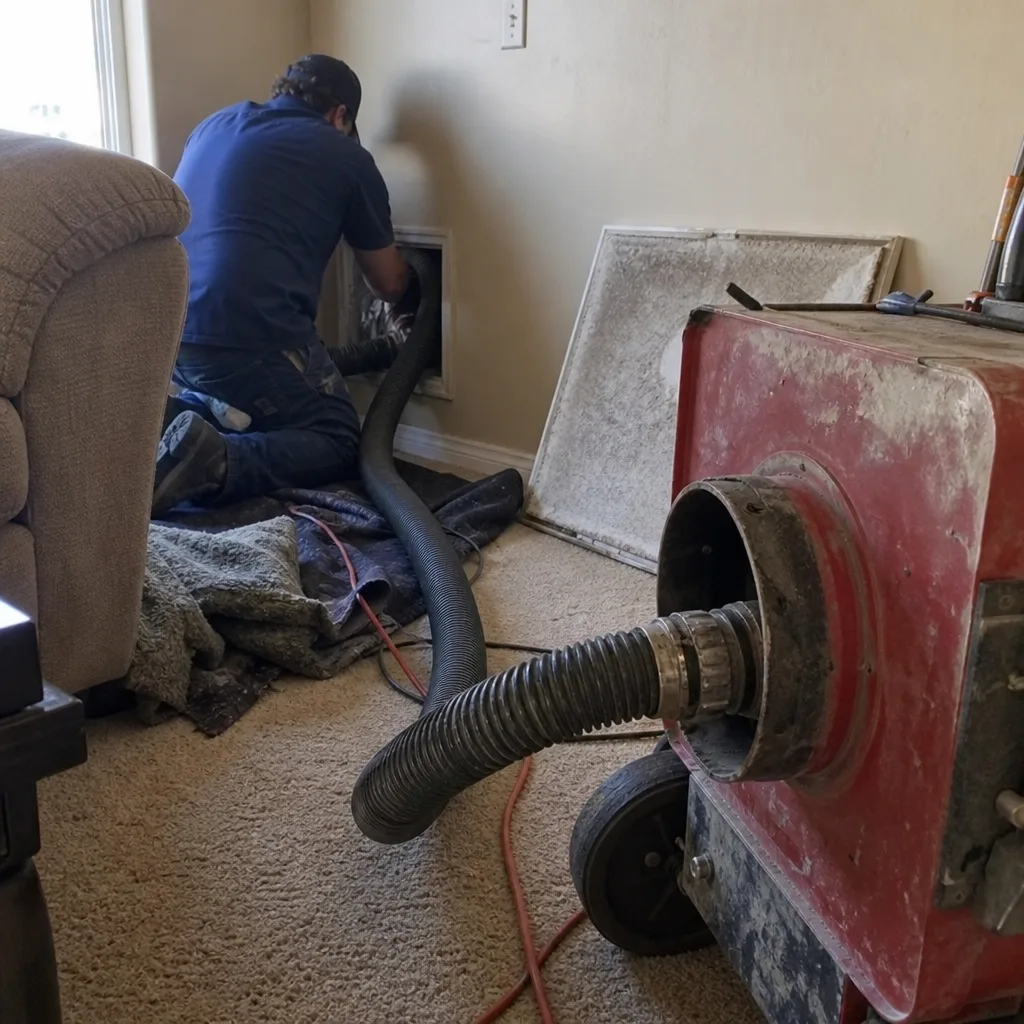
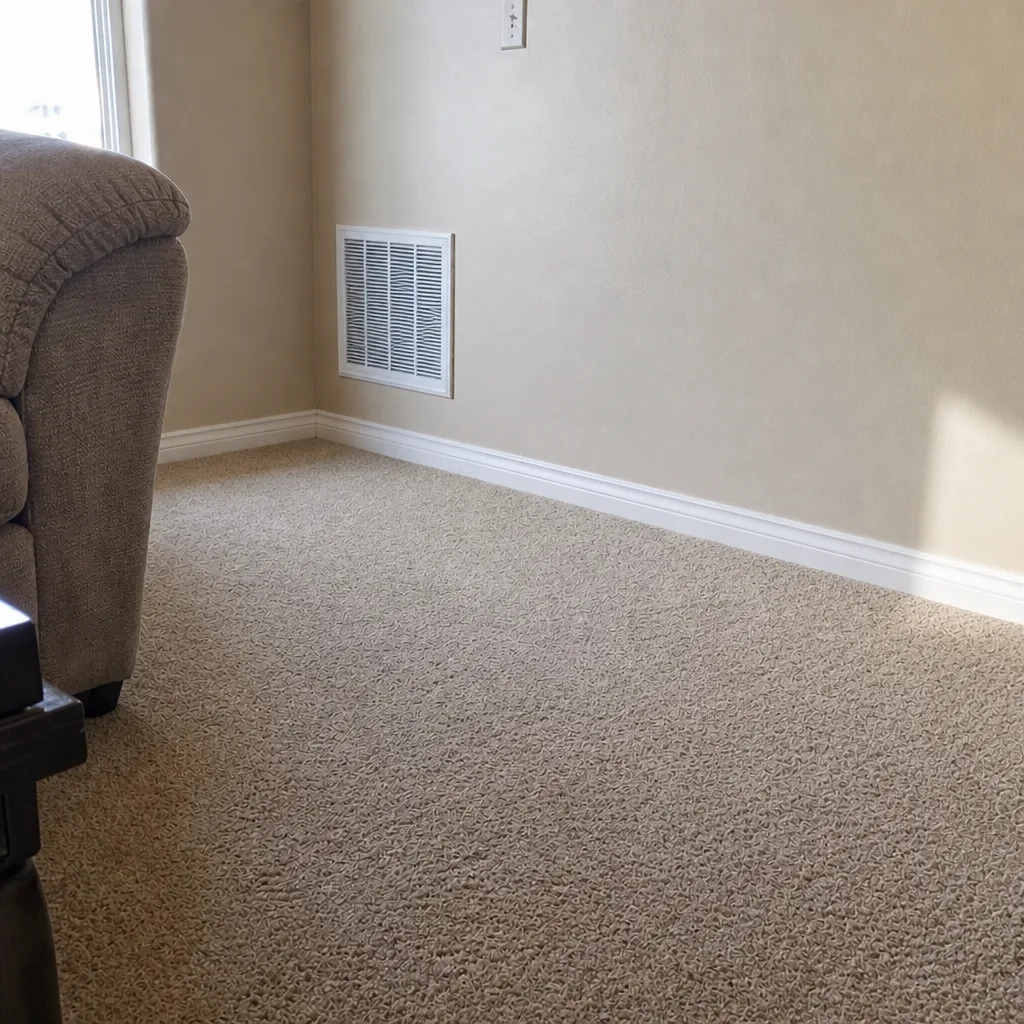
Whole-system duct and dryer vent check with before-and-after photos - you see exactly what came out of your vents
That "$99 whole-house special" is a bait ad - the real number appears once they are in your hallway, or the "clean" is a shop-vac at the register. We photograph the inside of your ducts before and after instead.
Air Duct Cleaning Maintenance Schedule: What to Do and When
The most common piece of duct cleaning advice in America is “clean as needed.” It sounds reasonable until you try to apply it to a house in Buckeye. That guidance was written for a national average, and a national average includes humid Midwest basements and leafy New England towns where the furnace runs a few months a year. Here, the AC runs hard from spring into fall, fine desert dust settles on everything, and monsoon season pushes damp air through the same ducts that were bone-dry in June. A Buckeye home can load its ducts with the kind of particulate a Midwest home takes years to collect. This guide gives you a schedule built around that reality: what to do each month, what you can handle yourself, what needs professional equipment, and the signs that tell you a cleaning is overdue.
Quick Answer
Most Buckeye homes should have their air ducts professionally cleaned every 2 to 3 years, not the 3 to 5 years common in milder climates, because heavy AC runtime and desert particulate load ducts faster here. On top of that cycle, do a filter change every 1 to 3 months depending on your MERV rating and pets, inspect registers seasonally, schedule a pre-summer check before the AC ramps up, and book a post-monsoon inspection if your system pulled in damp air. Homes with pets, recent renovations, or more occupants need professional cleaning closer to every 18 to 24 months.
Styles & brands we work with
- Whole-home duct cleaning
- Dryer vent cleaning
- Camera inspection
- Sanitizing & deodorizing
Table of Contents
- Why Buckeye Ducts Need Their Own Schedule
- The Default Schedule for a Buckeye Home
- Month-by-Month Maintenance Calendar
- What You Can Do Yourself vs. What Needs a Professional
- How Pets, Renovations, and Occupants Shift the Interval
- The Role of Filter MERV Rating
- Early Warning Signs a Cleaning Is Overdue
- Don’t Forget the Dryer Vent
Why Buckeye Ducts Need Their Own Schedule
Three local conditions drive everything in this guide. First, AC runtime. Buckeye summers keep cooling systems working for months on end, and every hour the fan runs is an hour air moves through ductwork, carrying whatever particles are suspended in it. A system that runs far more than a northern system’s furnace will simply move more air and deposit more material on duct walls. The math isn’t complicated: more runtime, faster accumulation.
Second, the dust itself. Desert particulate is fine. It doesn’t fall out of the air as quickly as heavier house dust, so it stays suspended longer and travels further into the system before it settles. That fine dust coats duct interiors, collects on register grilles, and loads the blower compartment. It’s the kind of material that a cheap shop vac can’t pull from the far ends of a trunk line.
Third, monsoon season. When humidity climbs and wind drives dust and moisture against the house, some of that finds its way into return-air pathways, cracks at joints, and loose connections. Damp dust is heavier and clings harder than dry dust, and if it sits through the dry months, it sets. That’s why a post-monsoon check belongs on this schedule.
Put those three together, and the national “every 3 to 5 years” default stops making sense for most homes in Buckeye. In our experience, the useful question isn’t “is it time yet by the calendar?” but “has my system pulled in enough material to matter?” Local conditions mean the answer arrives sooner than the standard advice predicts. That’s the frame for the rest of this page.
The Default Schedule for a Buckeye Home
Here’s the baseline we use when a homeowner asks how often air duct cleaning should happen here. Treat it as a starting point, then adjust using the sections further down.
- Every 1 to 3 months: change or clean the filter. Tighten that interval during high-use months and in homes with pets.
- Every 3 months: walk the house and look at every supply register. Vacuum the grilles if they’re dusty on the visible surface.
- Before summer (roughly March to May): schedule a pre-season inspection so any compromised ductwork is found before the system runs hard.
- After monsoon season (roughly September to October): check for signs that damp air or dust intrusion has loaded the system; book a cleaning or inspection if you see them.
- Every 18 to 24 months (pet or renovation households): professional cleaning.
- Every 2 to 3 years (typical home): professional cleaning.
- Every 12 months: dryer vent cleaning, treated as a separate fire-safety item.
If you own a newer home in Buckeye, you still have ductwork that collects material, and builders often leave construction dust behind in the system. A first cleaning sooner than the 2-to-3-year cycle is common and worthwhile. If you’ve never had the ducts cleaned, don’t worry about the calendar; a single professional inspection will tell you what state they’re in.
Month-by-Month Maintenance Calendar
This calendar maps the standard advice to Buckeye’s seasons, where the conditioning year splits neatly: cooling dominates the warm months, and winter brings a shorter heating stretch. Use it to plan a year at a time.
January and February
Heating season in Buckeye is the lightest load of the year. Use this window to change the filter after the first cold stretch and to check the return grille for visible dust. If you’ve been meaning to inspect the ducts after fall, January is an easy month to schedule it before the cooling season arrives.
March and April
This is the pre-summer window. Book a professional inspection or cleaning before the AC starts running for the season. Spring dust, pollen, and the first hot stretches push material through the system, and starting the cooling season with clean ducts means you’re not circulating a winter’s worth of accumulated dust for the next five months. Have the dryer vent cleaned in this window too.
May and June
Cooling season ramps up. Change the filter on a tighter schedule because the system is now running most of the day. Check supply registers for dust streaks; if you see them on more than one register, that’s a checkpoint worth acting on.
July and August
Peak cooling, peak runtime, and monsoon moisture arriving. This is the highest-load stretch of the year. Change filters more often, keep an eye out for musty smells when the AC kicks on, and note any room that cools less well than the others. A single stuffy room during monsoon season is a checkpoint, not a coincidence.
September and October
Post-monsoon check. Look at register grilles and the filter for signs of damp dust, and listen for any change in airflow. If you see or smell something off, book an inspection. This is also a natural time to schedule cleaning if your 2-to-3-year cycle lines up.
November and December
Transition to heating. Change the filter, check every register one more time, and plan any repair work before the cooling season forces it. If your ducts showed damage during a cleaning, get it handled in the cooler, quieter months.
What You Can Do Yourself vs. What Needs a Professional
A good schedule puts the routine, low-risk work in your hands and leaves anything that touches the interior of the duct system to someone with the right equipment. Here’s the split.
Safe for you to do
- Change or clean the filter. This is the highest-impact thing a homeowner does, and it’s the one you’ll do most often.
- Vacuum the visible face of supply and return register grilles with a brush attachment.
- Remove and wash register grilles where they’re designed to come off easily.
- Keep returns unobstructed. Furniture pushed against a return cuts airflow and raises dust collection everywhere else.
- Watch for streaks, dust rings, musty smells, and uneven airflow, and note when they started.
Needs a professional
- Cleaning the interior of ducts, plenums, and the blower compartment. A shop vac can’t reach the far ends of a trunk line, and blowing air through without extraction just redistributes the material.
- Any inspection that requires a camera or access into the ductwork.
- Sealing, reconnecting, or repairing compromised duct sections.
- Dryer vent cleaning. The vent path is long, involves a transition that can hide compressed lint, and is a fire-safety matter.
The professional side matters because cleaning equipment without extraction is only half a job. We use Rotobrush and Nikro duct cleaning systems, which physically agitate debris from the duct walls and extract it rather than blowing it through the house. Air filtration equipment from Abatement Technologies captures fine particulate at the source during the work. On every job, the process is the same: we clean, then we inspect, and if we find damage, we fix it. That last step is where duct repair separates a real result from a cosmetic one.
How Pets, Renovations, and Occupants Shift the Interval
The 2-to-3-year default assumes a typical household. Your house probably isn’t typical. These variables are the ones we watch most closely.
- Pets: Fur and dander load ducts faster than household dust, and a home with more than one pet usually lands closer to an 18-to-24-month cycle. Long-haired breeds push it further.
- Renovation work: Drywall dust, sawdust, and demolition debris find their way into the system even with plastic sheeting in place. A cleaning after a renovation is close to mandatory, and any home currently remodeling should expect a sooner-than-normal interval on the next cycle too.
- Number of occupants: More people means more skin cells, more shed fibers, and more hours the system runs. A full household cycles faster than a two-person home.
- New construction or a recent purchase: Construction debris and leftover dust are common in the ducts of homes that have just changed hands or finished building. Start with an inspection and clean from there.
- Smokers or candles: Smoke and soot deposit on duct surfaces and cling harder than dust. Any home with regular smoking or heavy candle use should lean toward the shorter end of the cycle.
- Allergy sufferers: If someone in the house has asthma or seasonal allergies, the case for cleaning on the tighter cycle is stronger. The point of cleaning is to reduce what the system recirculates.
The right answer for your home is a calculation, not a guess. If any two of these apply, tighten the interval. If three or more apply, treat 18 months as your target and get an inspection in between.
The Role of Filter MERV Rating
Your filter is the first line of defense, and its MERV rating changes how often the rest of the system needs attention. MERV stands for Minimum Efficiency Reporting Value; higher ratings capture finer particles, but they also restrict airflow more, which matters in a system running through a Buckeye summer.
Here’s how we think about it:
- Low MERV (basic fiberglass): Captures larger particles but lets fine desert dust pass through to the ducts. These filters need changing most often, and the ducts will load faster. If you’re running a basic filter, expect to move your professional cleaning interval toward the short end.
- Mid MERV (pleated, the common residential range): A reasonable balance for most Buckeye homes. Captures the bulk of household dust without choking airflow, and the ducts load more slowly than with fiberglass.
- High MERV (upper residential range): Captures finer particulate but restricts airflow more, which in a high-runtime climate can strain the system if the filter is oversized or never changed. Change these on the tightest schedule and check them monthly during the cooling season.
A few practical notes. A filter does not replace duct cleaning; it slows the rate at which the ducts load, but it doesn’t clean the duct interiors. Whatever MERV you choose, change it based on what you see, not only on a calendar. Hold it up to the light; if you can’t see through it, it’s done. During peak cooling season, that can be sooner than the label suggests. If your home uses Aprilaire or Honeywell filtration equipment, follow the manufacturer’s recommended change interval and confirm the correct filter size before you buy; a loose-fitting filter lets air bypass and defeats the purpose. We work with both brands regularly and can help you match the right filter to your system.
Early Warning Signs a Cleaning Is Overdue
Don’t wait for the calendar. These checkpoints are observable in an ordinary walk-through of your home and are the same signs a technician looks for. If two or more are present, it’s time to book an inspection.
- Dust streaks on the register grilles: Dark lines radiating from the supply vents, or dust rings around the edges, mean air is depositing material as it exits. You’ll see this most clearly on ceilings and walls near registers.
- Musty smell when the system starts: A smell that arrives in the first minute of the AC kicking on points to material inside the system, often damp dust from monsoon season.
- Visible dust on the return grille face: If the return grille looks gray or fuzzy at close range after vacuuming, the ducts behind it are likely worse.
- Uneven cooling: A room that used to cool well and now doesn’t can mean a compromised duct section, not a failing system. This is where duct repair becomes relevant.
- Higher-than-usual dust in the house: More frequent dusting on the same surfaces, or dust settling faster than it used to, is a system-side signal.
- Increase in allergy symptoms inside the home: If symptoms track with time spent at home or with the system running, it’s worth a look at the ducts.
- Recent renovation or new construction: Not a “sign” exactly, but a trigger. Book a cleaning after the work, not months later.
Notice that none of these require pulling the ducts apart. They’re all observable, and they’re all the kind of checkpoint a homeowner can track. The point isn’t to diagnose; it’s to know when to call someone who can.
Don’t Forget the Dryer Vent
The dryer vent is a separate system from your HVAC ducts, and it deserves its own line on the calendar. Lint buildup in a dryer vent is a leading cause of residential fires, and the vent path is exactly the kind of place where lint compresses over time. A dryer that’s taking longer to dry a load, feels hot to the touch at the back, or leaves clothes damp after a full cycle is telling you something. So is a vent flap outside that doesn’t open fully when the dryer runs.
The schedule here is simple: clean the dryer vent at least once a year, and sooner for a household doing heavy laundry. If you can’t remember the last time it was done, that’s the answer. We treat dryer vent cleaning as a dedicated fire-safety service, not an upsell afterthought, and we work it into the same visit as duct cleaning when the homeowner wants both handled together. That combination matters in Buckeye, where the cooling season keeps the system running and the laundry load stays steady through the year.
Common Mistakes to Avoid
We’ve seen the same handful of mistakes come up on inspection, and each one is easy to prevent.
- Following the national 3-to-5-year rule: It’s the single most common scheduling error here. Buckeye’s runtime and dust load mean most homes need cleaning on a 2-to-3-year cycle, and pet or renovation homes sooner.
- Skipping the filter change because the ducts were just cleaned: A fresh cleaning and a dirty filter are a wasted combination. The filter is what keeps the ducts from loading again, so keep it on schedule.
- Buying the highest MERV filter you can find without checking airflow: In a system running all summer, an overly restrictive filter can strain airflow and hurt performance. Match the rating to your system, not to the marketing on the box.
- Assuming a newer home has clean ducts: Construction dust is common in new builds. Have the system checked, especially after a renovation or a recent move.
- Treating the dryer vent as an afterthought: It’s not the ducts, but it’s the same category of problem and a more serious one. Put it on the calendar at least annually.
- Choosing a cleaner on price alone: A quote that comes in far below the rest usually means less equipment and less time. Cleaning without extraction just redistributes the dust. Ask what equipment will be used and whether the ducts will be inspected afterward.
- Cleaning the ducts and ignoring the damage: If the ducts are compromised, cleaning alone won’t fix airflow. Anyone cleaning your system should be able to spot the problem and tell you what it needs.
See the difference
 Before
 After
 Before
 After
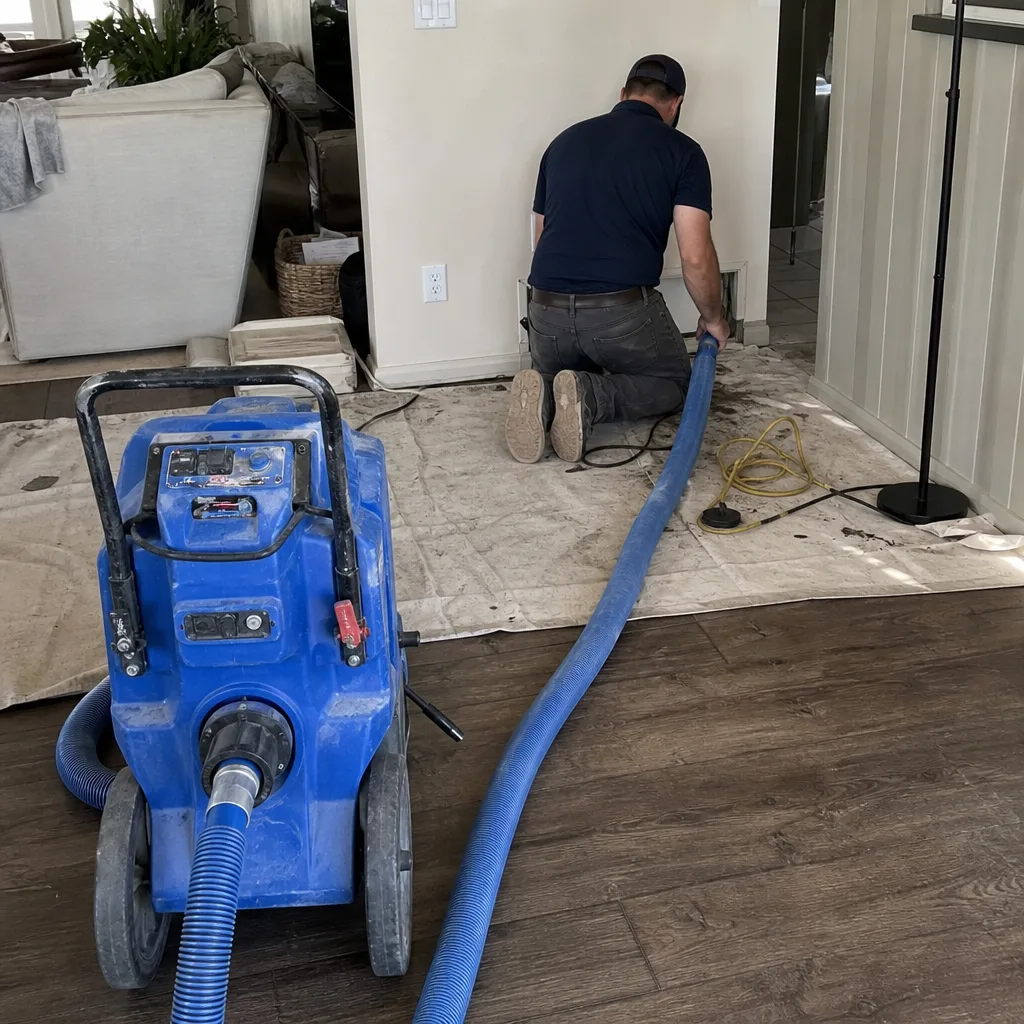 Before
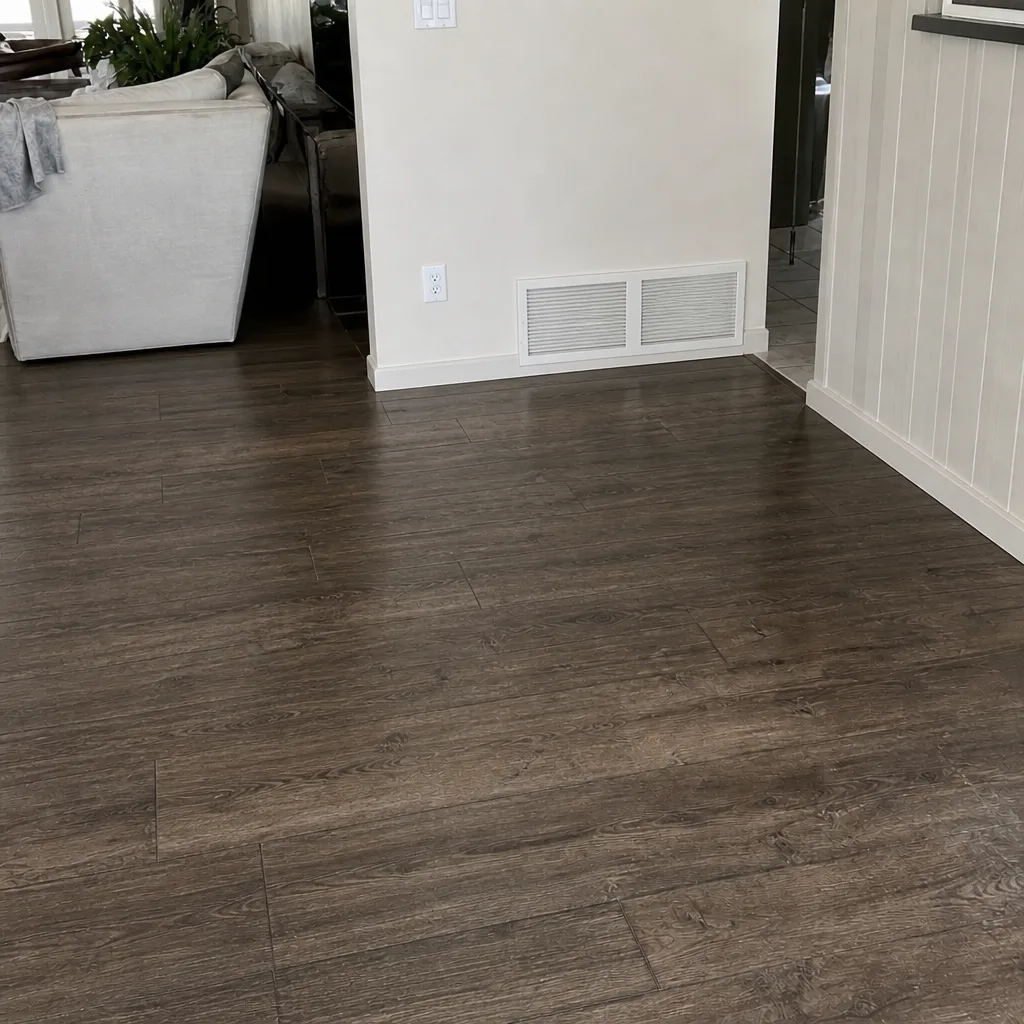 After
When to Call a Professional
Call when you hit two or more of the checkpoints above, when you’ve moved into a new home or finished a renovation, or when your last cleaning is more than three years back. Call when a room stops cooling the way it used to, when a musty smell arrives with the AC, or when your dryer starts taking noticeably longer. Call before the cooling season if you’ve never had the ducts inspected, and call if your dryer vent hasn’t been cleaned in the last year. In any of these cases, an inspection tells you what’s actually going on.
Duct Cleaning Buckeye offers free estimates in Buckeye. Our technicians have up to 14 years of experience, and every job uses professional equipment: Rotobrush and Nikro systems for cleaning, Abatement Technologies filtration for capture, and Guardsman for inspection and protection. When we find a problem, we can repair it as part of the same job. Call (866) 361-5107 for a free estimate.
Frequently Asked Questions
Most Buckeye homes should have their air ducts professionally cleaned every 2 to 3 years, tighter than the national 3-to-5-year default because the long cooling season and fine desert dust load the system faster. Homes with pets, recent renovations, or multiple occupants should aim closer to every 18 to 24 months. Call (866) 361-5107 for an exact quote; estimates are free.
The 3-to-5-year guidance is a national average, and it doesn’t account for the runtime and particulate load a Buckeye system carries. In our experience, homes here hit the same level of accumulation in a fraction of the time a milder-climate home would. Treat the national number as a ceiling, not a target. Call (866) 361-5107 to discuss your home’s schedule.
Look for dust streaks on register grilles, a musty smell when the AC starts, visible dust on the return grille, uneven cooling, or a noticeable rise in household dust. Two or more of these checkpoints means it’s worth an inspection. Our inspection is free, and it tells you what’s really in the system rather than guessing from a calendar. Call (866) 361-5107 for an exact quote.
Most homes do well with a mid-range pleated filter that captures household dust without restricting airflow, and filter change interval matters more than the rating itself. High-MERV filters capture more fine particles but restrict airflow more, so they need a tighter change schedule. Whatever you choose, change it when it’s visibly loaded, not just when the label says so. Call (866) 361-5107 for an exact quote if you’re not sure what fits your system.
At least once a year, and sooner for a household doing heavy laundry. Lint buildup is a leading cause of residential fires, and a dryer that takes longer to dry or feels hot at the back is a sign the vent is loading. Call (866) 361-5107 for an exact quote; estimates are free.
Lower quotes usually mean less equipment, less time, or cleaning without extraction, and that last part is the problem: air movement without physical agitation and capture just redistributes the dust. Ask what machines will be used, whether the ducts will be inspected afterward, and whether repair is available if damage turns up. We use Rotobrush and Nikro systems with Abatement Technologies filtration on every job, and we clean, then inspect, and fix what we find. Call (866) 361-5107 for an exact quote.
The Bottom Line
The schedule that works for a Buckeye home is not the national default. Clean the ducts every 2 to 3 years, tighten to every 18 to 24 months if you have pets or recent renovations, change the filter on a 1-to-3-month schedule depending on MERV and what you see, and put the dryer vent on an annual cycle. Watch the seven checkpoints above; two or more means an inspection. If you’re building a schedule for your home, the right first step is a professional look at what’s actually in the system. Free estimates are available.
Call (866) 361-5107. We answer 24/7. Fast dispatch from 7am to 7pm, Sunday through Friday.
For the full picture of what we offer in Buckeye, start with Duct Cleaning Buckeye, our air duct cleaning service page, and dryer vent cleaning for the fire-safety side of the calendar.
Written by the team at Duct Cleaning Buckeye.