
Last updated November 15, 2026
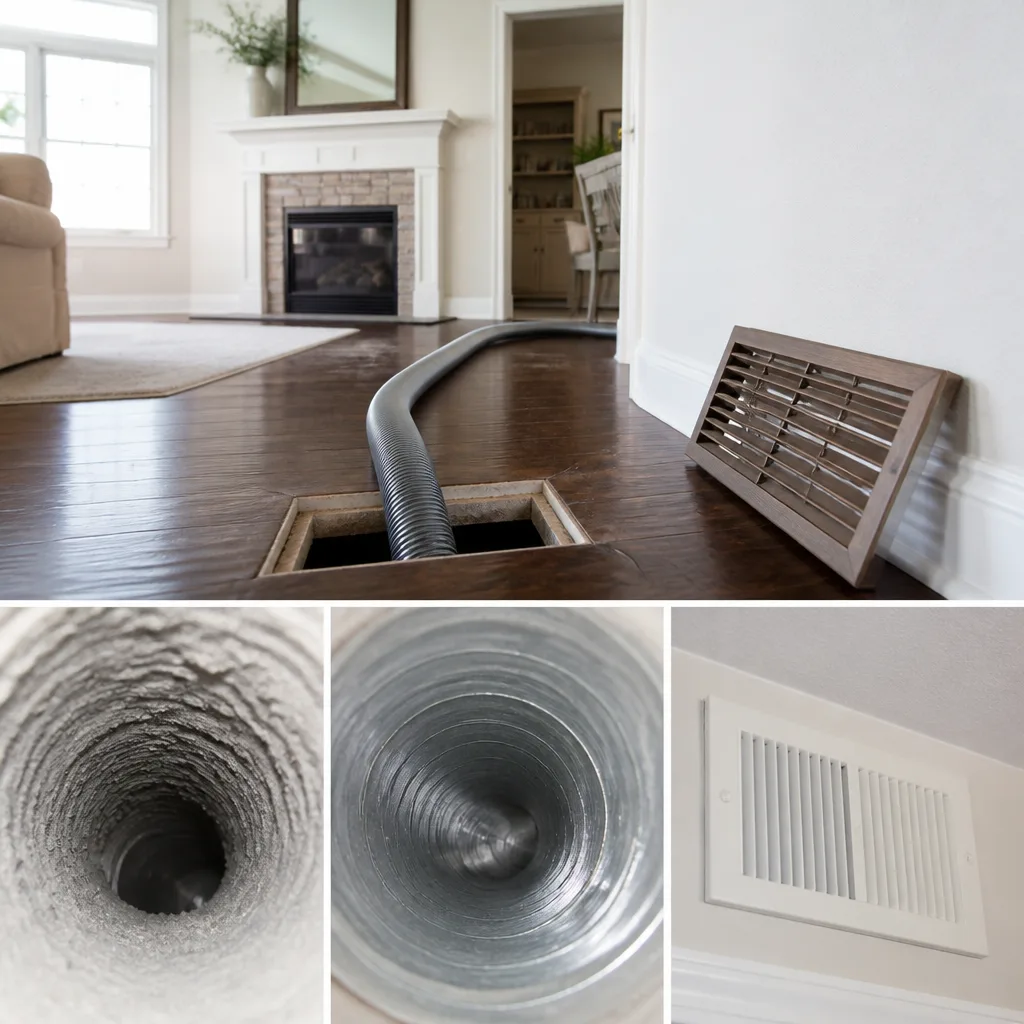 Whole-home duct cleaning
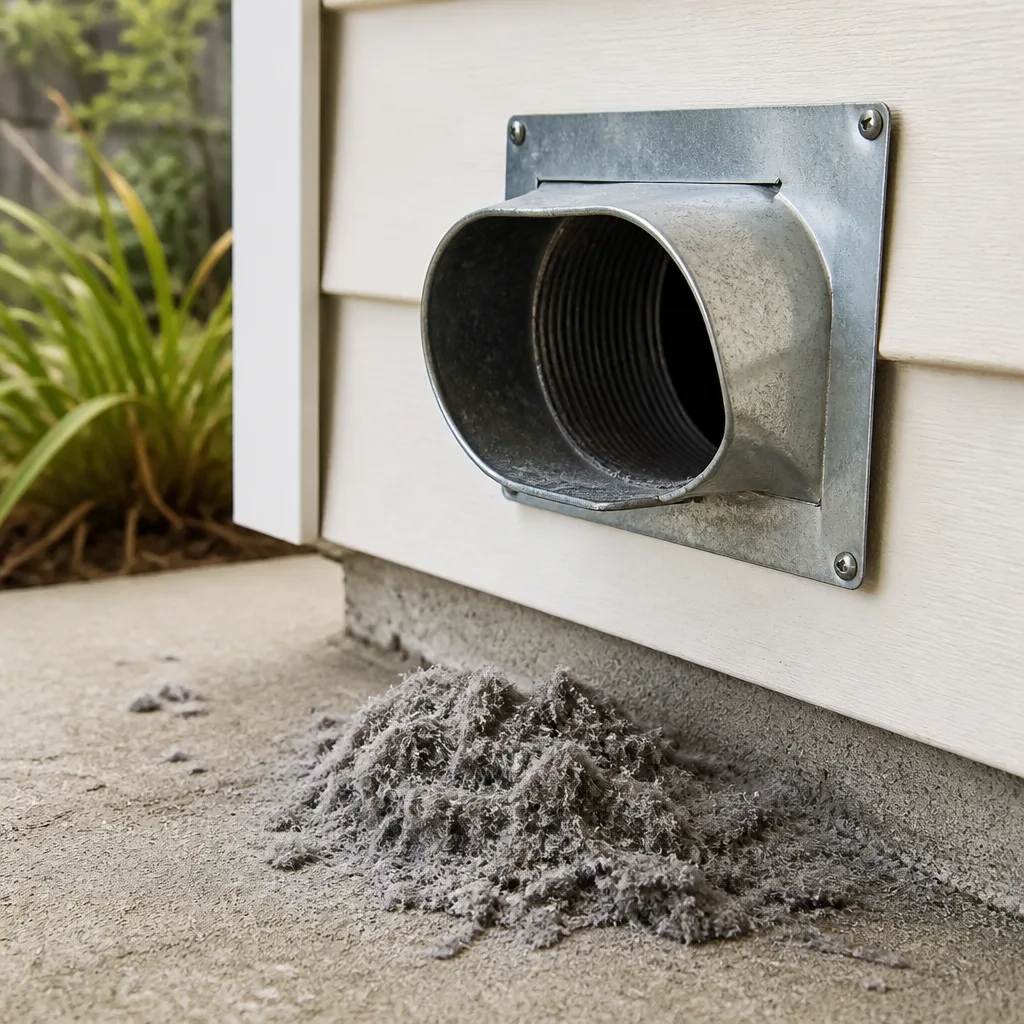 Dryer vent cleaning
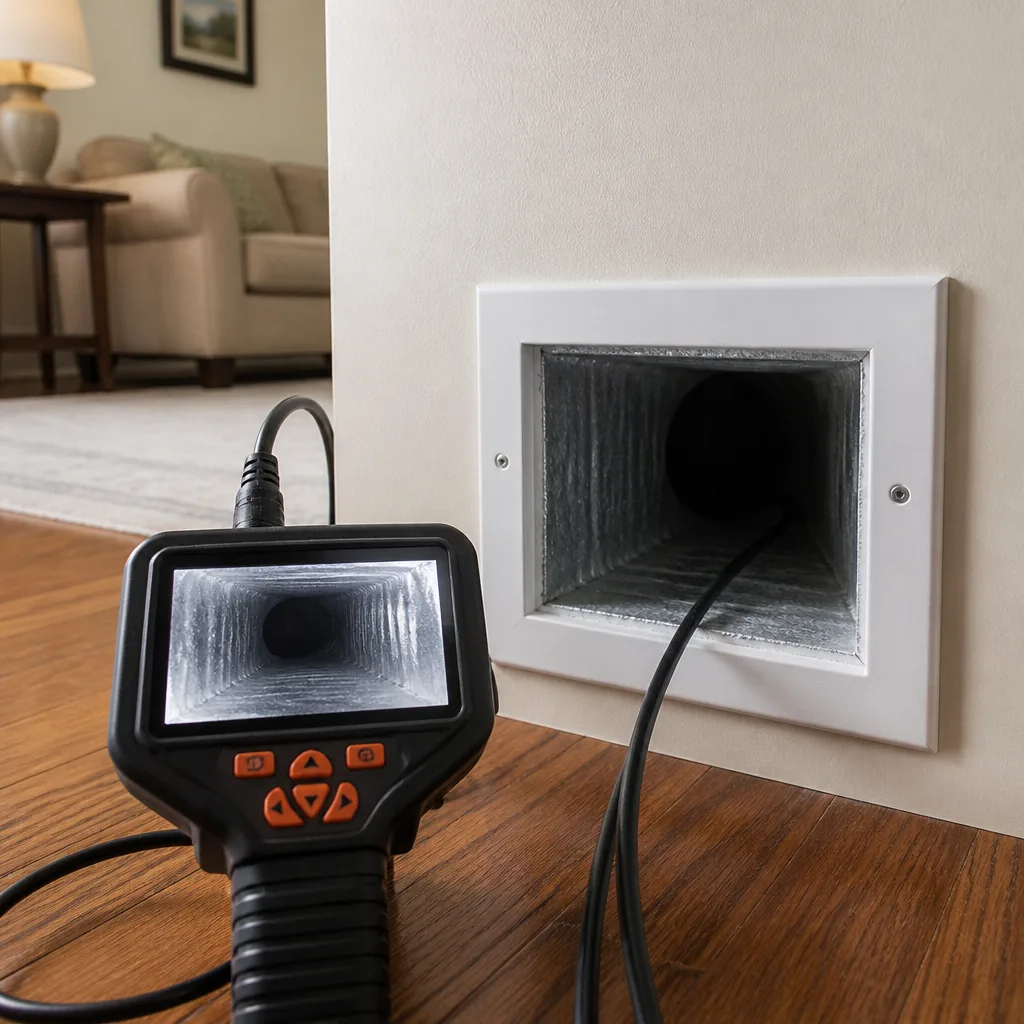 Camera inspection
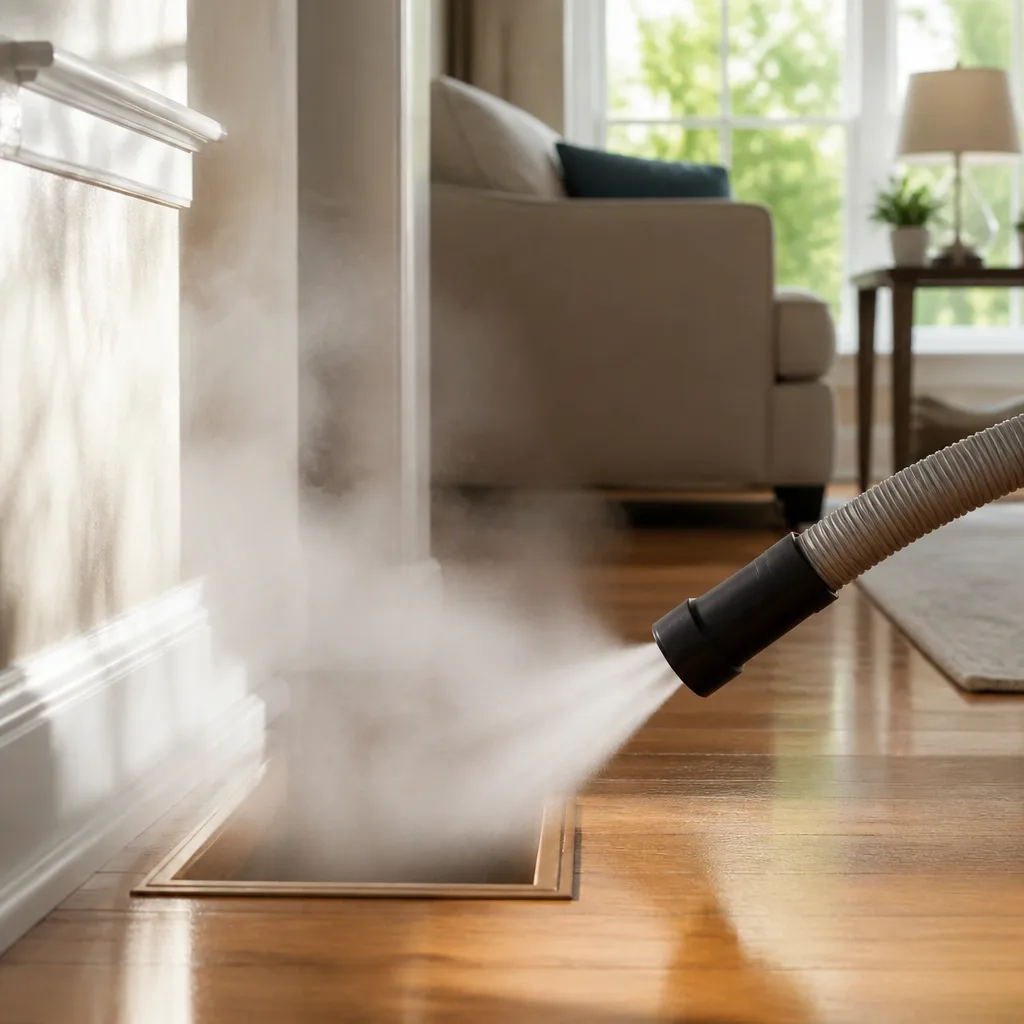 Sanitizing & deodorizing
Whole-system duct and dryer vent check with before-and-after photos - you see exactly what came out of your vents
That "$99 whole-house special" is a bait ad - the real number appears once they are in your hallway, or the "clean" is a shop-vac at the register. We photograph the inside of your ducts before and after instead.
Air Duct Cleaning Troubleshooting in Buckeye: Common Problems and How to Fix Them
If your vents were cleaned six months ago and the musty smell is already back, the dust was never the whole problem. Something the cleaning didn’t reach is still there: a gap in a duct run, a wet air handler, a return that pulls from the garage. Most homeowners troubleshoot duct trouble by cleaning harder, and most of that effort goes to the wrong place. This guide is about reading the symptom correctly first. We’ll walk through what weak airflow, recurring odor, and uneven cooling actually point to in a Buckeye home, how to tell a dirt problem from a duct integrity problem, and how to describe what you’re seeing so a technician can fix the cause instead of the surface.
Quick Answer
Most air duct problems in Buckeye trace back to one of four causes: accumulated dust and caliche grit inside the ductwork, leaks or disconnected runs in flex duct, moisture collecting at the air handler, or an unbalanced system that starves some rooms of airflow. Cleaning fixes the first. Only inspection and repair fix the other three. Reading the symptom accurately before you call is the fastest way to get the right work done once.
Styles & brands we work with
- Whole-home duct cleaning
- Dryer vent cleaning
- Camera inspection
- Sanitizing & deodorizing
Table of Contents
- Is It a Cleaning Problem or a Duct Integrity Problem?
- What Persistent Odor After Cleaning Actually Means
- Why Some Rooms Never Cool Evenly in Buckeye
- How Buckeye Conditions Accelerate Duct Problems
- The Symptom-to-Cause Matrix
- What You Can Safely Check Yourself
- Dryer Vent Trouble Is a Different Problem Entirely
- Common Mistakes to Avoid
Is It a Cleaning Problem or a Duct Integrity Problem?
It’s a cleaning problem if dust returns evenly and the system still moves air the way it always has. It’s an integrity problem if airflow has dropped in specific rooms, if you hear whistling or rattle at a register, or if dust returns fast and heavy in one area. That distinction matters because cleaning a duct system with a disconnected run just redistributes the same problem.
Here’s how the two categories break down in practice.
- Cleaning problem: dust buildup on duct interiors and registers, musty or dusty smell that fades after cleaning, visible debris around supply vents, a system that runs but the air feels stale.
- Integrity problem: a run that’s come apart at a joint, flex duct that has collapsed or kinked behind a wall or in the attic, a boot that’s separated from the register, crushed ductwork in a tight chase, or a joint that’s leaking into the attic instead of the room.
Flex duct is the usual suspect. It’s common in Arizona construction because it’s fast to install and works fine in a conditioned chase. But it sags over time, especially where it runs through a hot attic, and a sagging section restricts airflow the way a kink in a garden hose does. No amount of cleaning restores a run that’s physically collapsed.
That’s why we clean, then we inspect, and if we find damage, we fix it. Our technicians have up to 14 years of experience, and a good share of that work involves finding the compromised run the last cleaning missed. Air duct repair is part of the same visit, not a separate call. If you’re not sure which category you’re in, a professional air duct cleaning inspection will tell you before any work starts.
What Persistent Odor After Cleaning Actually Means
An odor that comes back within weeks of a cleaning almost never means the ducts are dirty again. It usually means the source is upstream of the ducts: the air handler, the evaporator coil, the condensate pan, or the filter housing. Air passes over all of those before it ever enters your ductwork, so anything growing there gets distributed through every room.
In a Buckeye home, that pattern shows up most often after the monsoon season. Humidity climbs fast in July and August, the air handler sits in a hot attic or garage, and condensation that doesn’t drain properly leaves a wet surface. Within days, that wet surface develops a smell. Cleaning the ducts removes the symptom from the duct interior without touching the cause.
Here’s what different odors tend to indicate.
- Musty or damp-earth smell: moisture at the air handler, a clogged condensate drain, or a wet coil.
- Dirty-sock or stale-air smell: biological growth on the evaporator coil or in the filter housing.
- Sharp or chemical smell: often a new filter, a recent paint or flooring job, or off-gassing from stored materials near a return.
- Exhaust or fuel smell: stop and call a professional. That’s a safety issue, not a cleaning issue.
When we clean a system with a recurring odor, we use Abatement Technologies filtration equipment to capture what’s disturbed during the process, and we look at the air handler while we’re there. Duct cleaning alone won’t remove growth from a wet coil. Getting the moisture problem handled is what stops the smell from returning. That’s the difference between treating the symptom and fixing the actual source.
Why Some Rooms Never Cool Evenly in Buckeye
Uneven room temperatures are rarely a dirt problem. They’re usually a balance or sealing problem. A room that’s two or three degrees warmer than the rest of the house is telling you its duct run isn’t delivering the air volume it was designed for, or the air is leaking out before it arrives.
A few things cause this in Buckeye homes more than others.
- A run that’s too long or too small. Single-story homes on larger lots often have the farthest bedroom at the end of a long flex run. That run loses pressure and delivers less air than the rooms closer to the air handler.
- Leaking joints. Every unsealed joint in an attic run loses conditioned air into the attic. In a Buckeye summer, that’s a double penalty: the room gets less cool air, and the system works harder to make up for it.
- Crushed or kinked flex duct. Flex duct pinched in a tight chase or under insulation delivers a fraction of its rated airflow.
- Return air imbalance. A room with a supply but no adequate return path pressurizes and resists incoming air.
The fix follows the diagnosis. If the runs are intact and well-sealed, the problem is balancing and a technician can adjust damper positions and airflow. If the runs are leaking or damaged, sealing and repair come first. Cleaning won’t rebalance a system, and a system that’s out of balance will keep producing the same hot-room complaint no matter how clean the ducts are.
One thing that helps before anyone arrives: note which rooms run warm, at what time of day, and whether the register is actually blowing air or just barely moving it. “The back bedroom is hot” is a complaint. “The back bedroom is hot and the register there barely blows” is a diagnosis waiting to be confirmed.
How Buckeye Conditions Accelerate Duct Problems
Duct systems here live in conditions that age them faster than ductwork in a milder climate. The two forces at work are dust and heat, and they reinforce each other. Understanding them explains a lot about why Buckeye homes tend to see re-contamination sooner than homeowners expect.
The first force is caliche dust. The desert soil around Buckeye is rich in caliche, a cemented calcium carbonate layer that breaks down into fine, powdery grit. When it gets airborne during landscaping, construction, or a windy afternoon, it doesn’t settle and stay put. It gets pulled into the return air and deposited inside ductwork. That grit is heavier and more abrasive than ordinary house dust, and it builds up quickly on duct walls and filter housings. Homes near active construction or new development see it worst. A filter change schedule that works in another climate can be too relaxed here.
The second force is the monsoon humidity spike. Most of the year, Buckeye air is dry and ductwork stays dry. Then July and August arrive, outdoor humidity climbs sharply for a few weeks, and any attic duct system with a small moisture leak suddenly has a growth problem it didn’t have in June. Flex duct that’s sagged and collected dust is a perfect surface for that. It’s not that the dust changed. It’s that the moisture arrived.
The practical implication: in Buckeye, duct cleaning intervals run shorter than the national rule of thumb, and the condition of the flex runs matters as much as the cleanliness. If you want a realistic baseline, a professional assessment of your specific system beats a generic schedule recommendation.
The Symptom-to-Cause Matrix
Use this before you call anyone. The goal isn’t to diagnose the problem yourself, it’s to describe it accurately, and an accurate description saves time on the visit and money on the invoice. Match your symptom to the likely cause below.
| Symptom | Most Likely Cause | What Usually Fixes It |
|---|---|---|
| Dust returns weeks after cleaning | Leaking or disconnected runs pulling attic air | Duct inspection and repair, then re-clean |
| Musty smell within days of cleaning | Moisture or growth at air handler or coil | Address the moisture source, clean the coil |
| One room runs warmer than the rest | Starved or unbalanced duct run | Airflow balancing or run repair |
| Whistling or rattling at a register | Restricted or separated duct connection | Repair the boot or joint |
| Visible dust blowing from a supply vent | Loose interior debris or a compromised liner | Full duct cleaning with contact agitation |
| Dryer takes much longer than it used to | Lint buildup in dryer vent line | Dryer vent cleaning |
| System runs constantly but house stays warm | Restricted airflow or undersized runs | Full airflow inspection |
A note on that last row: constant runtime with a warm house is the symptom most often misdiagnosed as a duct cleaning problem when it’s really an airflow restriction. If cleaning the filter doesn’t help, get the ductwork inspected before you schedule anything else.
What You Can Safely Check Yourself
There are a handful of checks that are genuinely safe and useful before you call a professional. They won’t diagnose everything, but they’ll help you give a clear account of what’s going on.
- Look at every supply register. Note which ones move air strongly, which are weak, and which are barely moving. Write down the room names.
- Check your filter. Replace it, wait a few hours, and see if airflow improves noticeably. If a new filter fixes a warm room, you’ve found your issue.
- Listen at the air handler. A rumble, rattle, or whistling sound when the system runs suggests a restriction somewhere in the return path.
- Smell the air at a return before the system has been running long. If the odor is there before the air reaches the ducts, the source is upstream.
- Inspect the outside of visible ductwork in the attic or garage. Look for sections that have come apart, sagged, or been compressed. Don’t move insulation or reach into the system; just note what you can see.
- Time your dryer. If a normal load now takes significantly longer than it used to, the vent line is restricted.
What we don’t recommend: reaching into ductwork, removing register boots, or trying to clean duct interiors with a shop vac. The first two risk separating connections that were fine, and the third stirs up debris without capturing it. Professional-grade equipment works because it agitates the duct surface while continuously extracting what’s loosened. A shop vac does one without the other. That’s why dedicated duct cleaning systems like Rotobrush and Nikro are built the way they are, and why “professional-grade equipment, not shop-vac shortcuts” is more than a slogan to us.
Dryer Vent Trouble Is a Different Problem Entirely
Dryer vent problems get grouped under “duct cleaning” by homeowners, but they’re a different service with a different risk. Lint buildup in the dryer vent line is a leading cause of residential fires, and it’s the one duct problem in your home that isn’t primarily about air quality.
The signs are consistent.
- The dryer takes longer to dry a load than it used to.
- The drum is hot to the touch or the machine feels warm on the outside.
- The exterior vent flap doesn’t open fully or doesn’t open at all when the dryer runs.
- Lint accumulates around the lint trap housing or behind the dryer.
- A burning or scorched smell while the dryer runs, which is a stop-and-call signal.
Dryer vent cleaning is a defined service for us, not an upsell added after a duct cleaning invoice. We treat it as the fire-safety service it is. In a dry, hot climate like Buckeye’s, lint that’s accumulated dries out further and reduces clearance at the exhaust point over time. The vent line itself can be long and full of turns in a home where the dryer isn’t on an exterior wall, and every bend adds a place for lint to catch. If you can’t recall the last time the vent line was cleared, that’s the trigger. Get it checked before you run another load.
If you’re already scheduling duct work, it makes sense to have the dryer vent cleaning done on the same visit. One provider, one inspection, both systems handled.
Common Mistakes to Avoid
We see the same handful of missteps from Buckeye homeowners again and again. Each one costs time or money, and each is easy to avoid.
- Cleaning before diagnosing. If the problem is a damaged or disconnected run, cleaning first just redistributes the dust. Get the integrity check first. In a market where caliche dust moves fast, this mistake is compounded because the dust comes back within weeks.
- Assuming every odor is a dirty duct. Persistent musty air after cleaning almost always means the air handler or coil, and duct cleaning won’t reach it. You’ll pay twice if you don’t identify the source the first time.
- Chasing the cheapest bid without asking about equipment. A price that seems far below others usually reflects a smaller machine and a shorter visit. Ask what equipment will actually be used on the job. Genuine duct cleaning uses rotating contact agitation plus continuous extraction, and that’s the cost driver.
- Skipping the filter change interval Buckeye requires. A schedule that works in a milder climate fails here. If you’re in an area with active construction nearby, change the filter more often, not less.
- Treating the dryer vent as a duct afterthought. It’s the one duct line in your home with a fire risk attached. Treat it as its own service on its own schedule, not something added to a cleaning.
- Cleaning a system without asking for visual proof. Before-and-after photos of your own ducts answer the question “did this actually get done?” Get them as standard practice.
- Assuming window units or portable ACs are outside the system. Portable AC filters collect the same caliche grit. Clean them on the same schedule as your main filter to keep dust out of the rooms.
See the difference
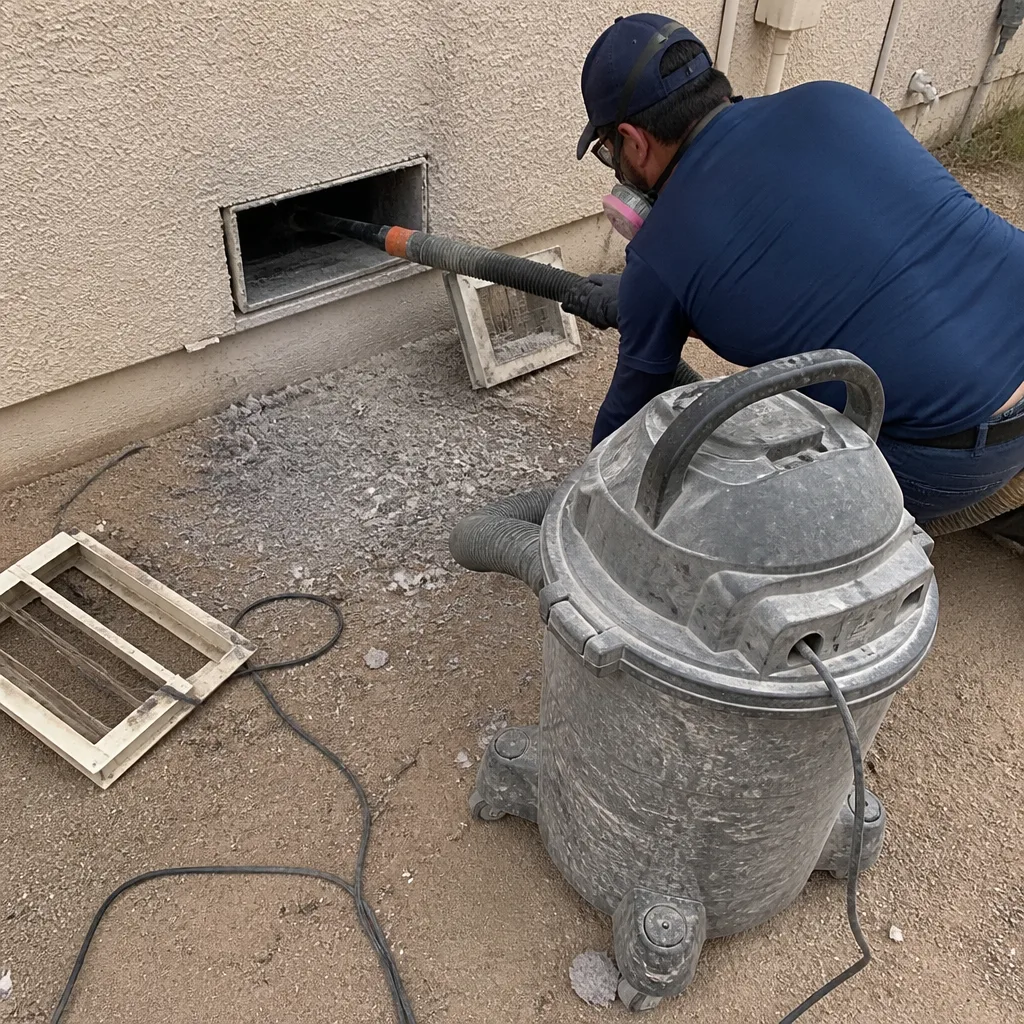 Before
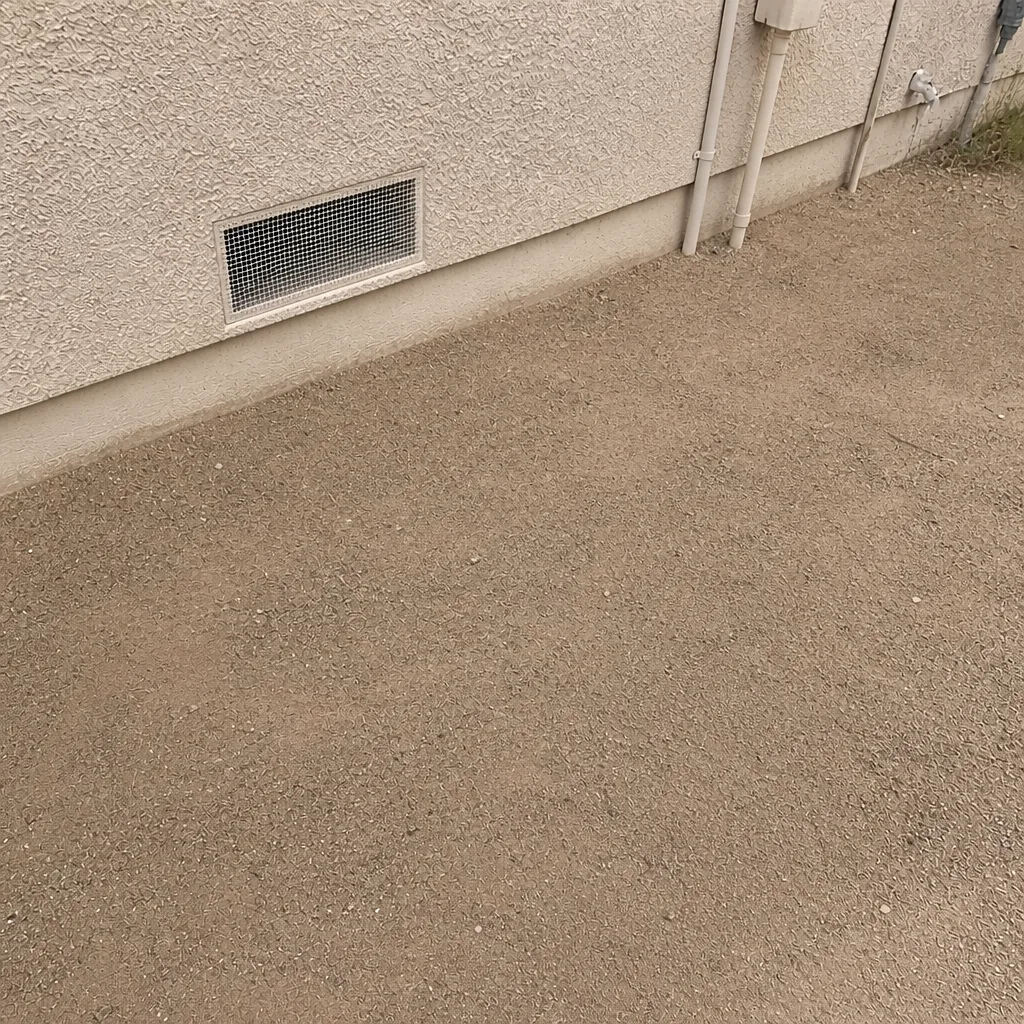 After
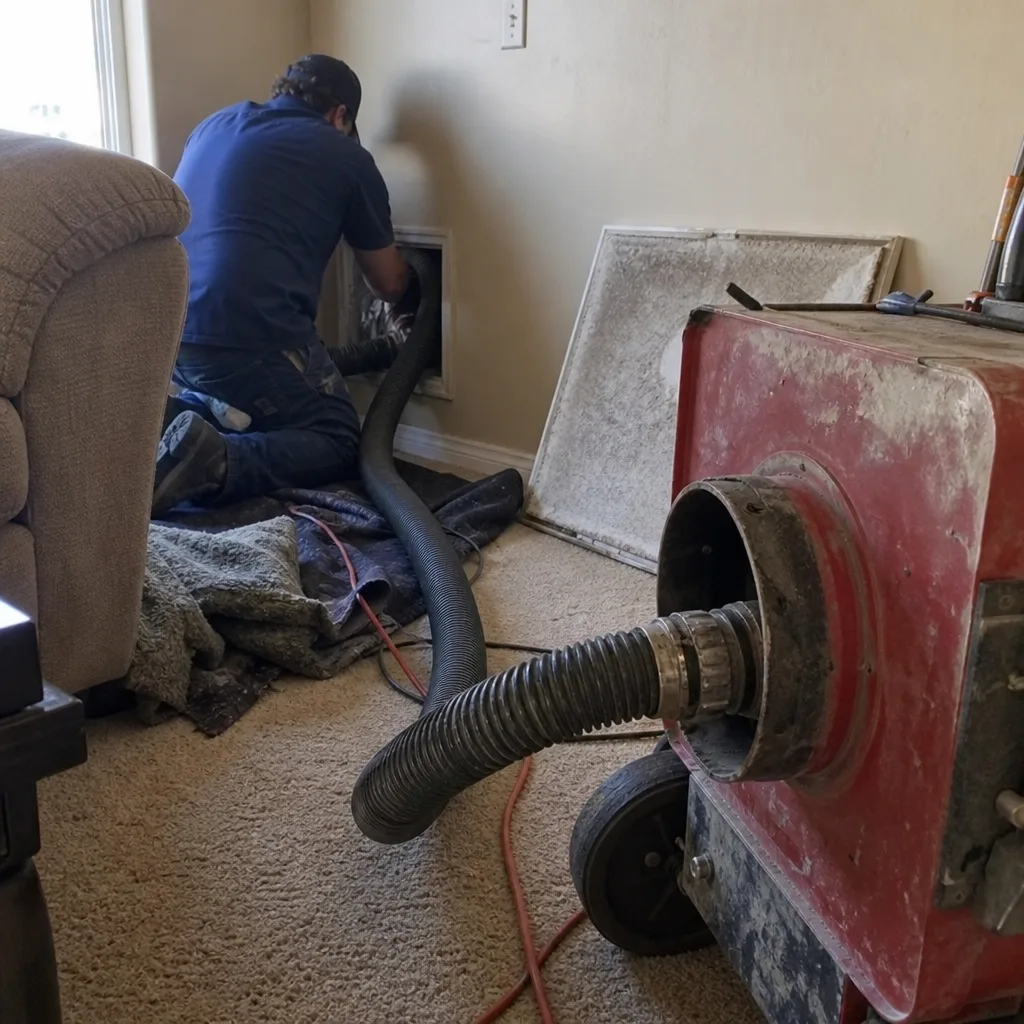 Before
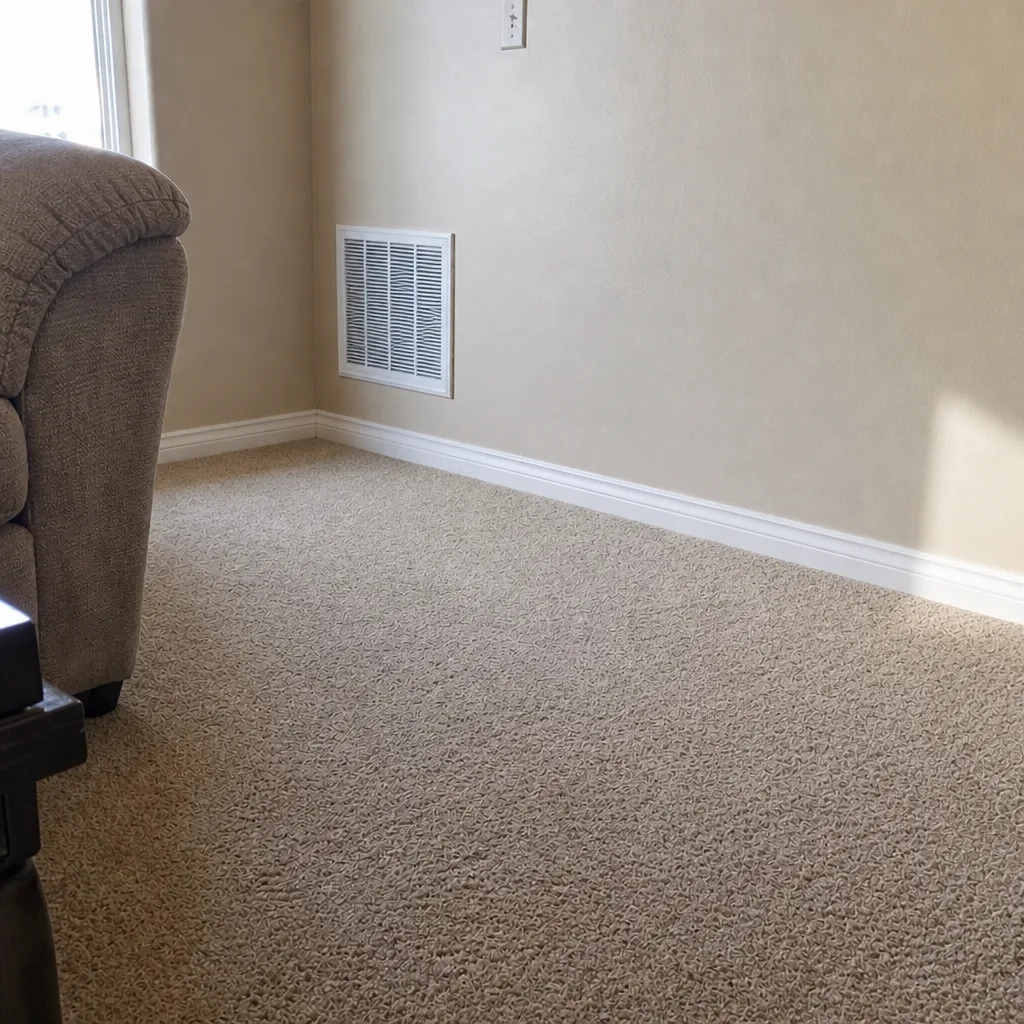 After
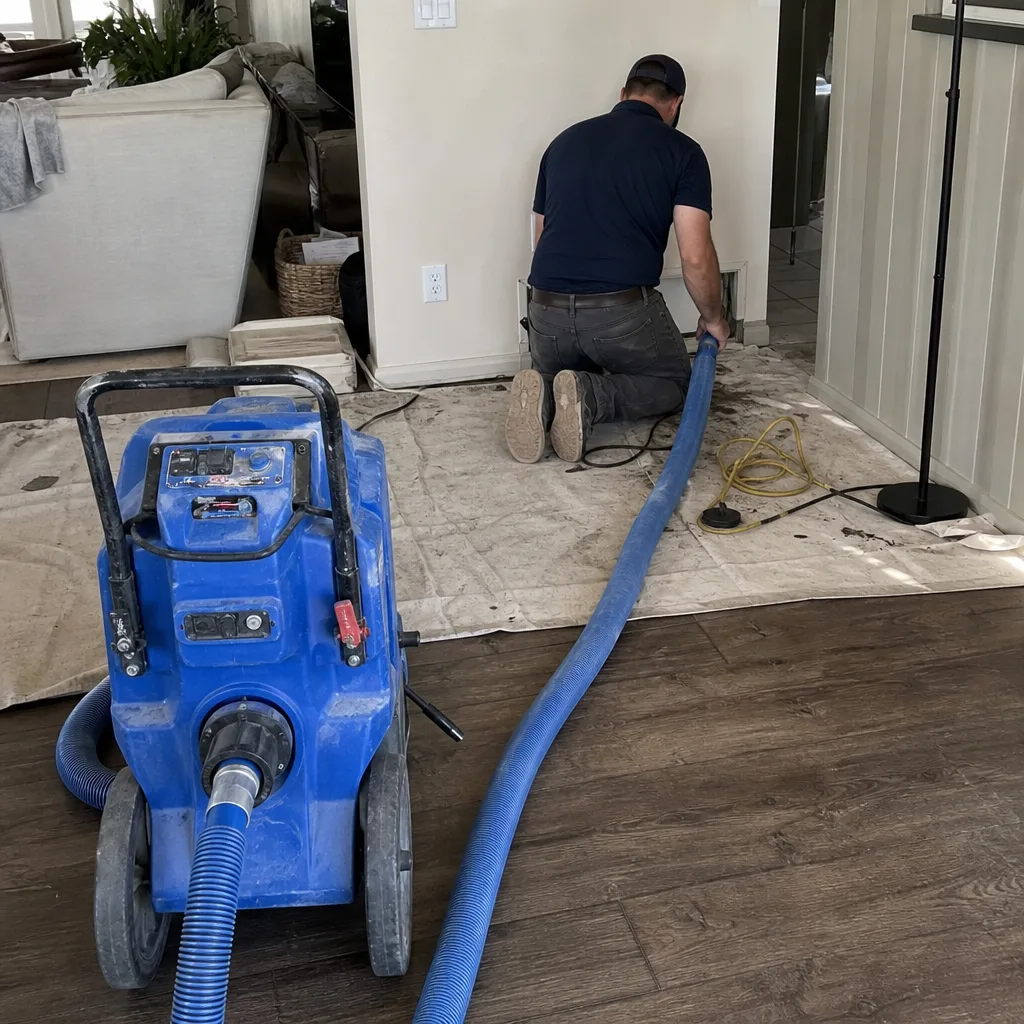 Before
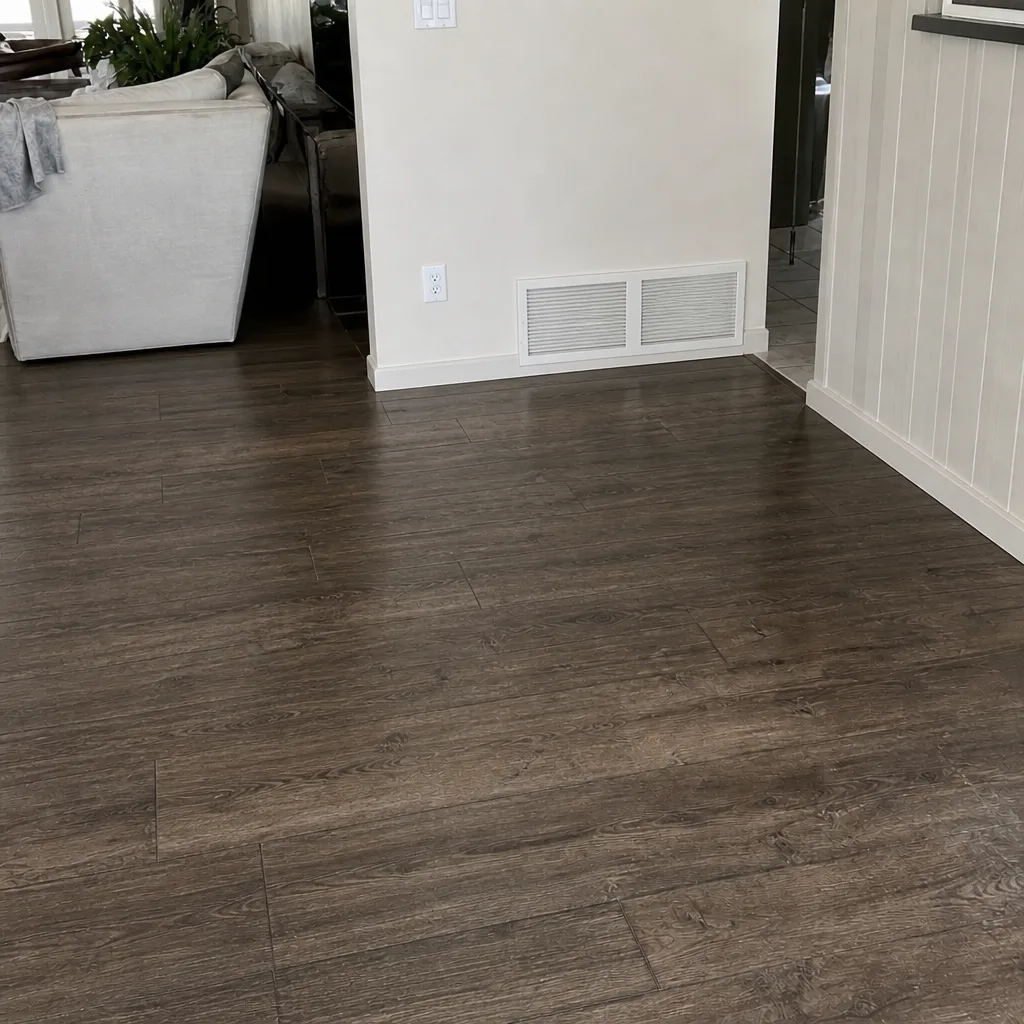 After
When to Call a Professional
Call us when you’ve matched a symptom to a likely cause and can’t resolve it with the safe checks above. Specifically: when a room’s airflow drops suddenly, when a whistle or rattle appears at a register, when an odor returns within weeks of a cleaning, when visible dust blows from a supply vent, or when your dryer starts taking noticeably longer than it used to. Any of these means one of the four categories in this guide is at work, and the fix is inspection plus targeted repair, not another cleaning pass.
Duct Cleaning Buckeye offers free estimates in Buckeye. Call (866) 361-5107. We answer 24/7. Fast dispatch from 7am to 7pm, Sunday through Friday. Our technicians work with Honeywell and Aprilaire systems, and we come equipped to clean, inspect, and repair in one visit. If we find damage, we fix it before we leave, and you get a written estimate before any work starts.
Frequently Asked Questions
Most whole-home duct cleanings in the Buckeye area run in the hundreds of dollars, with the price set by the size of the system and the number of runs. Pricing is per system, not per vent, and the written estimate sets the final price before work begins. If repair work is needed alongside the cleaning, it’s quoted separately after inspection. Call (866) 361-5107 for an exact quote, estimates are free.
Musty air that returns quickly after cleaning almost always comes from moisture at the air handler, evaporator coil, or condensate pan, not from the ducts themselves. Cleaning removes dust from duct interiors; it doesn’t fix a wet coil. The fix is to find and address the moisture source and clean the coil. Call (866) 361-5107 so we can look at the air handler and give you a free estimate on the right scope.
A far-lower quote usually means a smaller machine, a shorter visit, and less agitation of the duct surfaces. Genuine duct cleaning uses rotating contact agitation equipment like Rotobrush or Nikro systems, paired with extractor units and filtration like Abatement Technologies equipment to capture disturbed debris. The equipment is the cost driver. Ask what’s being used on the job, and ask for before-and-after photos of your own ducts. Call (866) 361-5107 for a free estimate you can compare against other quotes.
Ask for before-and-after photos of the inside of your ducts before the technician leaves. Any duct cleaning provider should be able to show you the interior of the system. We document the inside of the ducts before and after on every job, and the difference between the two is the proof. Call (866) 361-5107 to schedule a free estimate.
The national rule of thumb is every three to five years, but in Buckeye we see shorter intervals because of caliche dust and monsoon humidity cycles. Homes near active construction, homes with pets, and homes with older flex ductwork tend to need attention sooner. Every three years is a sensible starting point for a routine check here. Call (866) 361-5107 for a free estimate, and we’ll look at the actual condition of your system rather than going by a schedule alone.
Not if the problem is a starved or unbalanced duct run, which is the usual cause. Cleaning removes dust, it doesn’t change airflow volume. A warm room is most often a run that’s too long, too small, leaking, or crushed. That’s a duct repair or balancing problem, and it needs an inspection before anything else. Call (866) 361-5107 for a free estimate so we can identify what’s causing it.
The Bottom Line
Read the symptom before you clean. In Buckeye, the four things that cause most duct complaints are dirt, leaking or damaged runs, moisture at the air handler, and an unbalanced system, and only the first one is a cleaning problem. Persistent odor points upstream. Uneven cooling points to runs. Fast re-contamination points to leakage. Dryer vent trouble is its own fire-safety service, not an add-on. When you call, describe the symptom accurately and ask two questions: what equipment will be used, and can I see before-and-after photos? Those two questions separate real duct work from surface cleaning every time. Duct Cleaning Buckeye offers free estimates, with pricing set per system in writing before work starts. Call (866) 361-5107. We answer 24/7. Fast dispatch from 7am to 7pm, Sunday through Friday. One flat price per system agreed before work starts, no per-vent pricing, and before-and-after photos of your own ducts. From cleaning to repair, one specialist handles the whole job.
Written by the team at Duct Cleaning Buckeye.