
Last updated November 15, 2026
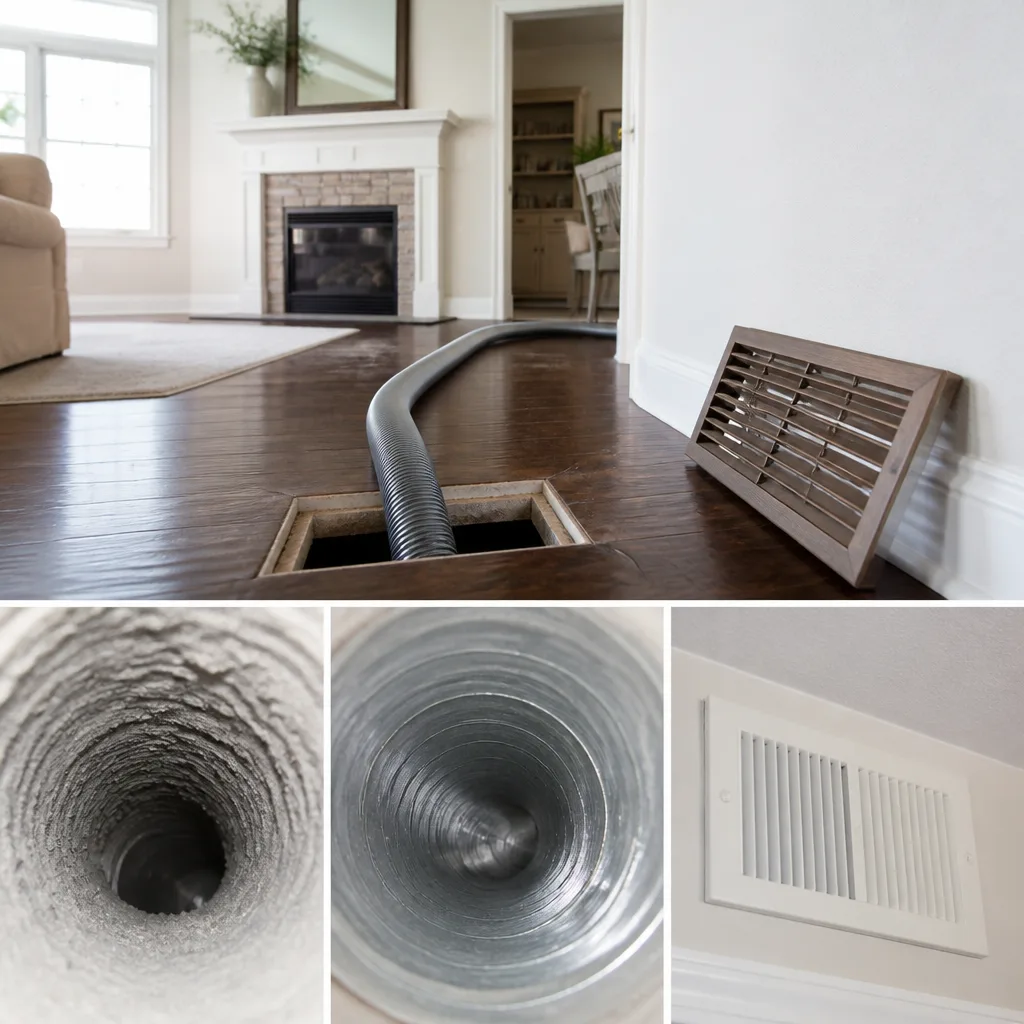 Whole-home duct cleaning
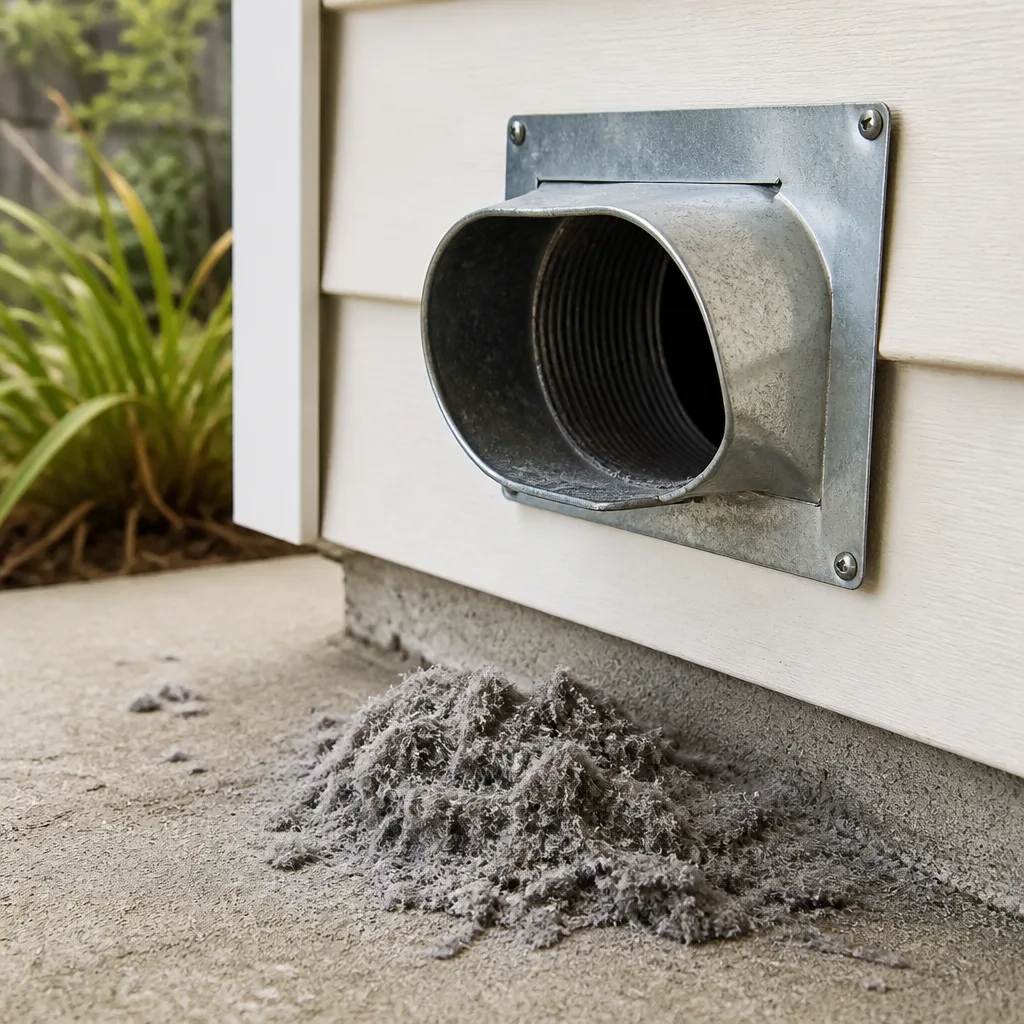 Dryer vent cleaning
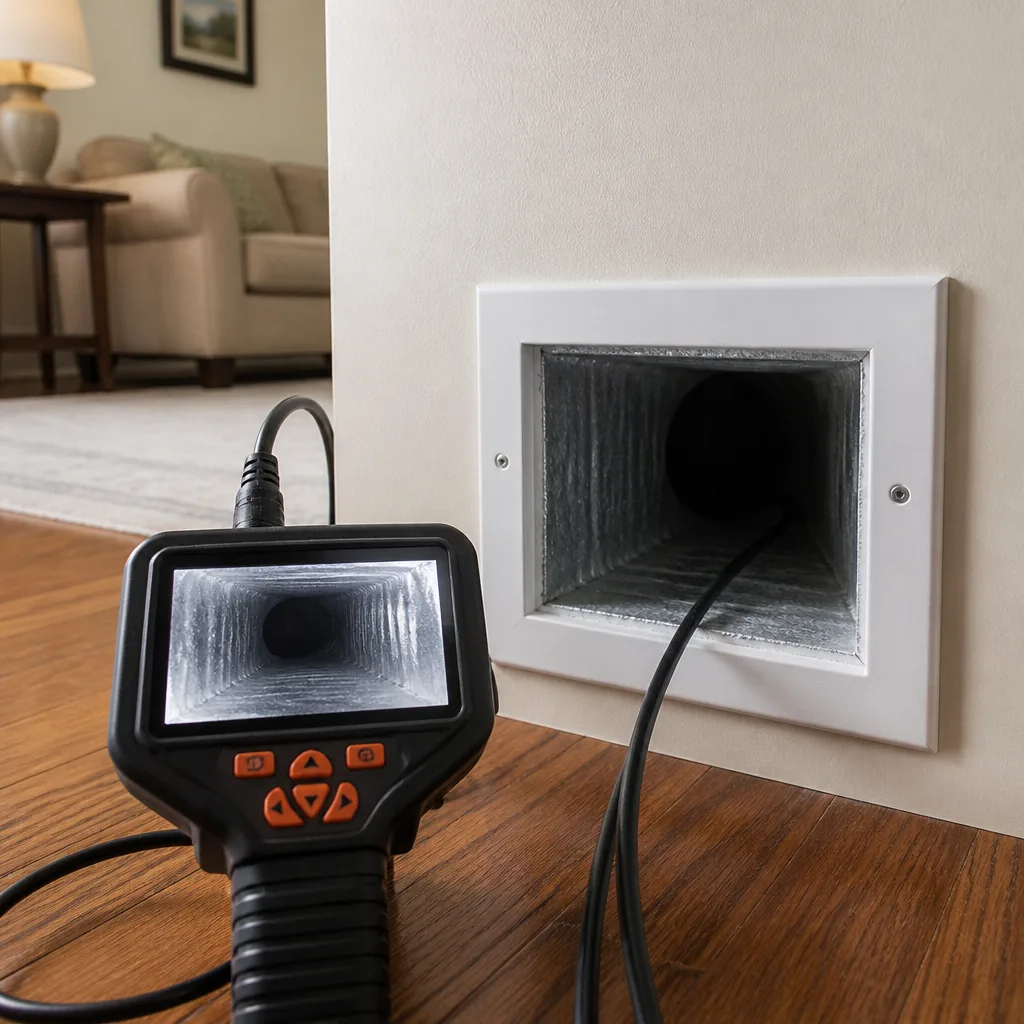 Camera inspection
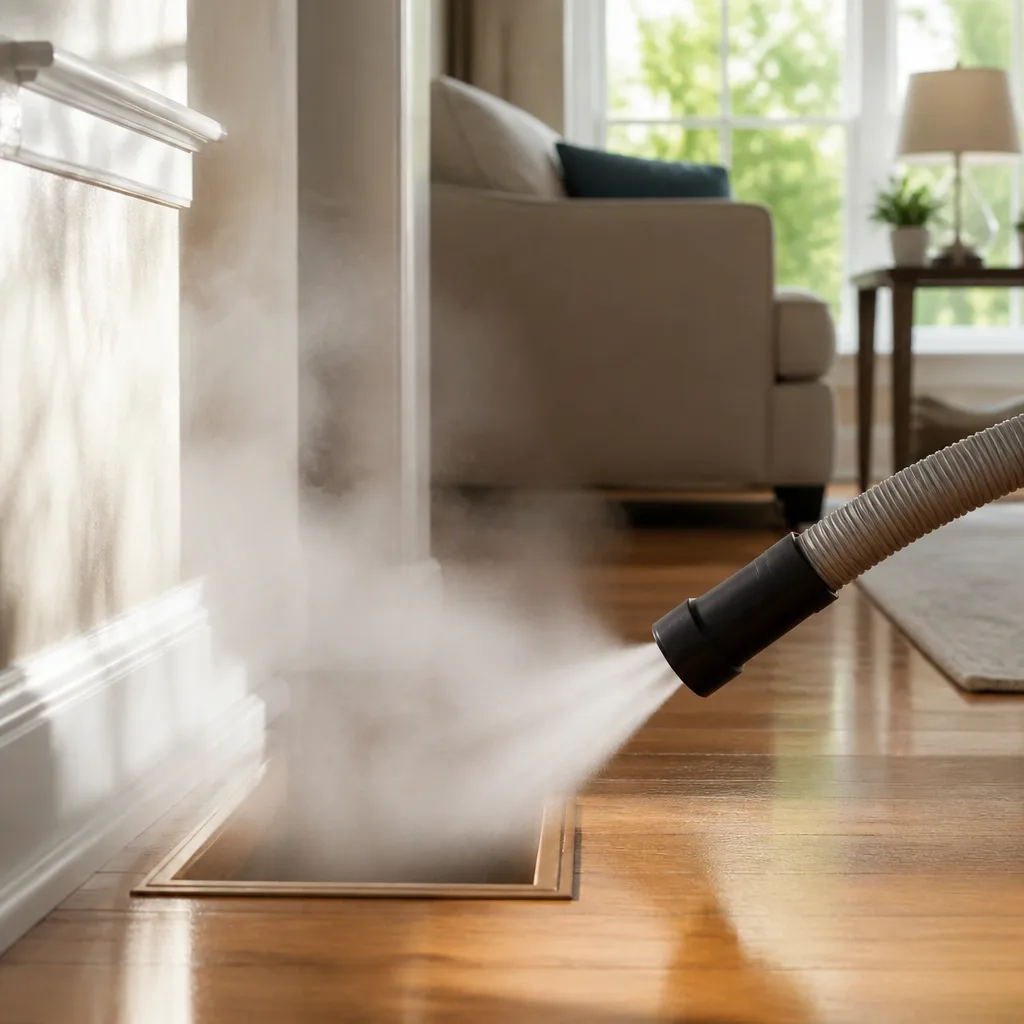 Sanitizing & deodorizing
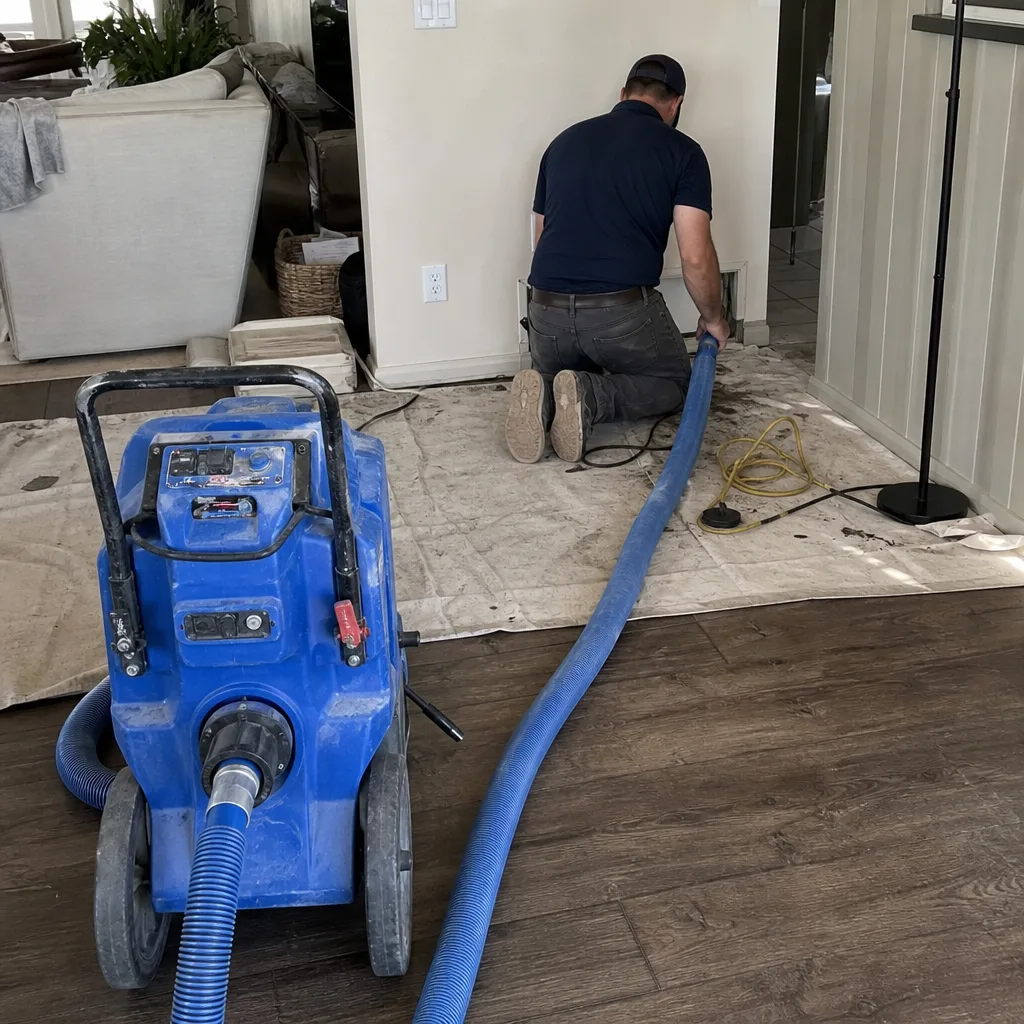
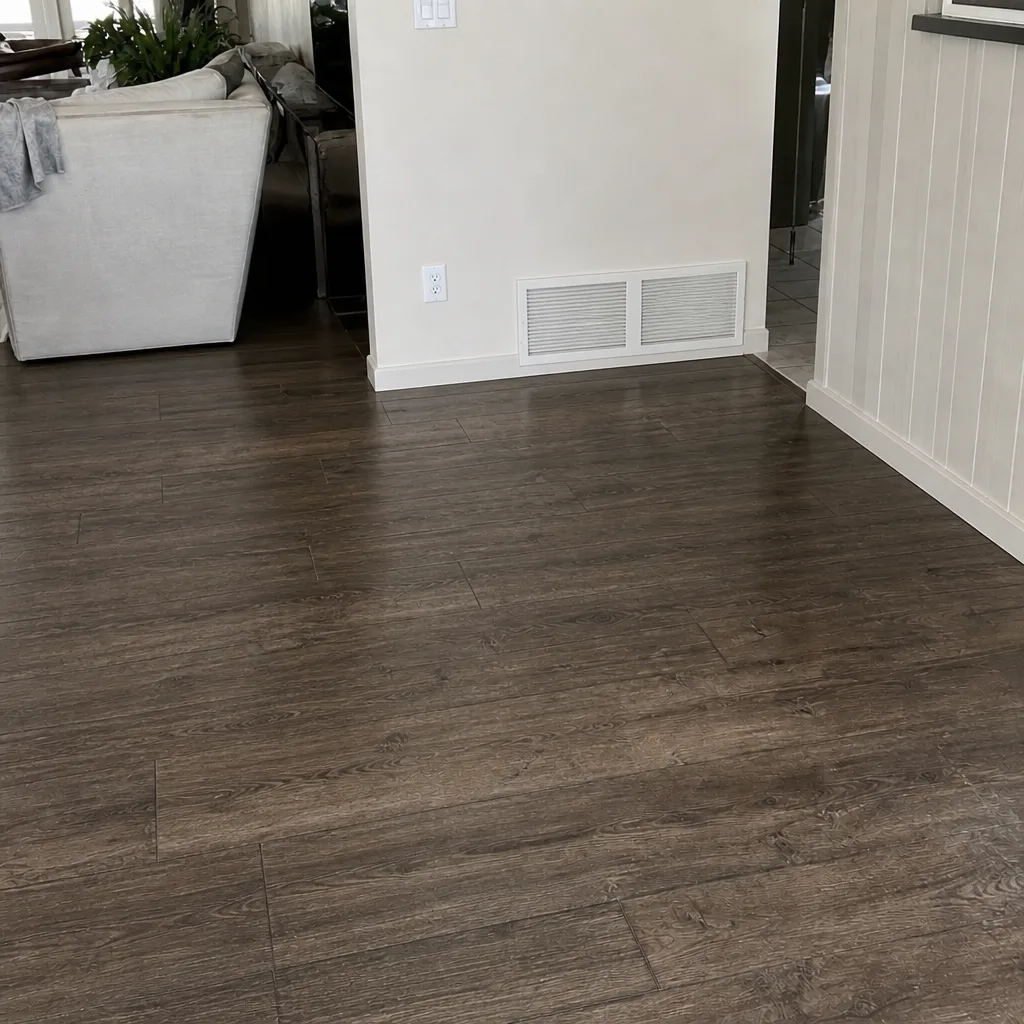
Whole-system duct and dryer vent check with before-and-after photos - you see exactly what came out of your vents
That "$99 whole-house special" is a bait ad - the real number appears once they are in your hallway, or the "clean" is a shop-vac at the register. We photograph the inside of your ducts before and after instead.
Air Duct Cleaning Emergency Preparedness Guide for Buckeye Homes
Most homeowners in Buckeye treat their ductwork as a closed system – sealed in the walls, out of sight, out of mind. That assumption holds up on a calm day. It falls apart the moment a haboob rolls through, wildfire smoke settles over the valley, or the power grid drops for a few hours. Here’s the part that catches people off guard: after a dust storm passes, fine particulate can slip into a duct system through return-side gaps in minutes, and the first instinct for many people is to crank the air conditioning to “clear the air.” That move sends the debris straight into every room. This guide gives you a concrete protocol for every duct emergency that’s realistic in Buckeye, from dust storms to monsoon flooding to post-outage restart.
Quick Answer
Air duct emergency preparedness in Buckeye means having a specific plan for four situations: dust storms, wildfire smoke events, extended power outages, and monsoon water intrusion. Before restarting your HVAC after any of them, inspect filter and return side first, replace the filter if loaded, and call a professional if you see visible debris, moisture, or a burning smell. A few basics on hand – a filter inventory, a flashlight, and a service contact – make the difference between a quick recovery and a contamination problem that lingers for months.
Styles & brands we work with
- Whole-home duct cleaning
- Dryer vent cleaning
- Camera inspection
- Sanitizing & deodorizing
Table of Contents
- Post-Haboob Protocol: What to Do Before You Restart the HVAC
- Wildfire Smoke Events: How Smoke Particles Behave in Ductwork
- After a Power Outage or Surge: Restarting Safely
- Monsoon Water Intrusion in Ductwork
- What to Have on Hand Before the Next Emergency
- Filter Ratings That Actually Matter in an Air Quality Emergency
- When a Duct Cleaning Emergency Turns Into a Repair
- Common Mistakes to Avoid
Post-Haboob Protocol: What to Do Before You Restart the HVAC
After a major haboob passes through Buckeye, the right first move is to leave the air conditioning off for a few minutes and inspect before restarting. Most homeowners do the opposite – they hear the wind die down and immediately turn the AC back on to clear the air. That’s exactly the wrong order. Particulate that slipped in through loose returns, gaskets, or an open garage door connection will get pulled into the return and pushed out through every supply register in the house.
Here’s the sequence we recommend when clients call after a storm:
- Wait 15 – 30 minutes after the dust visibly settles. Airborne particulate needs time to fall or disperse before you draw it in.
- Turn off the thermostat and the air handler. No fan, no cooling, nothing moving air through the house.
- Inspect the return grille and filter slot. A flashlight is enough – look for visible dust loading on the filter surface and grit around the filter frame.
- Check for gaps at the air handler. A visible gap where the return duct meets the air handler is a common entry point for storm dust.
- Replace the filter if it looks loaded. A filter that was near the end of its life before the storm is finished now.
- Restart and monitor for a few days. If you smell dust, notice reduced airflow, or see visible dust puffing from registers, that’s a call-the-professional signal.
- Book an inspection if the storm was severe. A haboob strong enough to blow dust under doors and into garages usually warrants an inspection of the return side.
When you call for air duct cleaning after a storm event, the technician should be looking at both the supply and return sides – the return is where contamination usually originates. In our experience, a Rotobrush agitation and extraction pass during a professional cleaning catches the fine dust that a homeowner filter change won’t reach.
Wildfire Smoke Events: How Smoke Particles Behave in Ductwork
Smoke behaves differently than dust inside a duct system. Dust is heavy and settles quickly; smoke particles are fine enough to remain suspended and can travel through the entire system in a single air cycle. When wildfire smoke settles over the Buckeye area during fire season, the particles you’re trying to keep out are small enough that a standard fiberglass filter will pass most of them straight through.
The differences that matter:
- Particle size: Smoke particulate is generally much smaller than dust, which means it slips through coarser filter media and can travel deep into the duct run.
- Odor retention: Duct lining and filter media can hold smoke odor long after the smoke clears outside, particularly in flexible duct with a porous inner liner.
- Recirculation: In a closed-up house, smoke drawn in once can keep circulating every time the system runs, which is why smoke events call for higher filtration rather than simply waiting it out.
The practical response during a smoke event in Buckeye is to keep windows closed, run the system on low fan with the highest MERV filter your system can handle (more on ratings below), and consider a portable air cleaner for the room where you spend the most time. Filter through the system is the workhorse, but only if the filter is right for the event.
The other piece is the duct itself. If the ducts were already carrying a load of dust from the last haboob, a smoke event is that much worse because the filter has to remove both. That’s why we treat the two events together – cleaning after a dust storm re-establishes a clean baseline before the next smoke event arrives. If the duct system runs into an attached garage connection, that gap is worth checking as well.
After a Power Outage or Surge: Restarting Safely
After an extended power outage or a surge event, the safe restart is not simply flipping the thermostat back on. In Buckeye, summer outages happen when the system has been running hard, and the moment power returns is a moment of stress for the blower motor and the control board. A quick check before full operation prevents a small problem from becoming an expensive one.
Here’s what to check after the system comes back:
- Listen to the air handler. Start the system and listen at the air handler for rattle, scraping, or a hum with no blower movement. Any of those means shut it off at the breaker and call for service.
- Check the filter. A blower that’s been pulling hard through a loaded filter can overheat or trip on high-limit. Swap a dirty filter before restart.
- Watch for blower motor strain. The first few minutes after restart are when a tired blower motor shows its hand. Reduced airflow at the registers is a signal.
- Smell the air. A burning smell or hot-plastic odor after restart means stop and call a professional immediately.
One complication you may not have considered: if the outage lasted several hours during a humid stretch after a monsoon storm, the interior of the ductwork can pick up moisture. Running a blower through a moist duct system pushes humid air through the house, which makes cooling less efficient and can grow odor issues over weeks. A blower and duct check after a long outage in Buckeye is worth the phone call.
Monsoon Water Intrusion in Ductwork
Monsoon flooding is uncommon in Buckeye but not unheard of – and when it happens, water finding its way into a duct system is the most urgent of all duct emergencies. Moisture inside ductwork escalates quickly. What starts as a nuisance (a damp smell) can turn into a mold risk within days, particularly if the system is running and circulating humid air through the house. We treat any water intrusion as a same-day call, not a watch-and-wait situation.
The response timeline that matters:
- Within the first hour: Turn off the HVAC system. Do not run the fan to “dry things out” – the fan will push moisture through the whole duct run.
- First 24 hours: Identify the source of the water. Was it a storm-driven roof leak, a condensate line issue, or a flood path through a crawlspace or garage connection? Each has a different fix.
- 24 – 72 hours: A professional needs to inspect the affected duct sections. Visible moisture in a duct interior means it needs to be dried and, if flexible duct is involved, often replaced rather than dried.
- Beyond 72 hours: Mold growth becomes likely in any duct section that has held moisture. Odor is the earliest sign, but visible dark spotting inside a duct boot or at a register is the definitive one.
If the water came from a source we shouldn’t be handing – a compromised roof or an active plumbing leak – we’d rather you address that first, then call us for the duct system. Duct cleaning after a water event should always pair with an inspection to see whether the duct itself is still serviceable. That’s a repair decision.
What to Have on Hand Before the Next Emergency
The best time to prepare for a duct emergency is before one arrives. A short list of items in the garage or a utility closet makes the response to any of the four events above meaningfully faster. None of this is expensive; most of it is stuff you may already have.
- Filter inventory: Keep at least two spare filters in the sizes your system requires. One standard MERV and one higher-MERV for smoke events. Label them with the size so you’re not guessing at 9pm during an outage.
- Aimed flashlight: A bright, narrow-beam flashlight is the single most useful tool for checking a return grille, filter slot, and register. A phone light works but a proper flashlight is easier to angle into a duct boot.
- Latex or nitrile gloves: For filter swaps and register inspection, especially after a storm.
- Service contact written down: The company you’d call for a duct emergency should be in your phone and on a note in the HVAC closet. Cell service can be spotty during storm events, so having the number in two places helps.
- A shop vacuum (not for duct interiors): Useful for cleaning a filter slot, register face, or return grille after a storm. Never for vacuuming inside the duct itself – shop vacs don’t have the filtration to capture fine particulate without exhausting it into the room.
- N95 mask: If you’re going to inspect registers right after a dust storm, wear one. Fine dust is no joke to breathe, even briefly.
If you want a professional opinion before the next storm, duct cleaning in Buckeye starts with an inspection that tells you what’s actually in the system – not what a coupon assumes.
Filter Ratings That Actually Matter in an Air Quality Emergency
The MERV rating of your filter determines what your system can actually remove from the air, and it matters most during a smoke event. MERV stands for Minimum Efficiency Reporting Value, and the rating on the filter package tells you how effectively it captures particles at various sizes. In an emergency, the temptation is to buy the highest-rated filter available – but a filter that’s too restrictive can starve a residential blower motor and reduce airflow to the point the system can’t keep up.
Here’s a working rule of thumb for Buckeye homes:
- MERV 8: The everyday baseline. Good for dust and pollen, fine for most of the year, and unlikely to restrict airflow on a typical residential system.
- MERV 11: A reasonable middle ground for homeowners with allergies or a household member sensitive to dust. Still compatible with most residential blowers.
- MERV 13: The filter to have on hand for wildfire smoke events. Captures fine smoke particulate far better than MERV 8, but check that your system’s blower can handle the restriction – a MERV 13 in a system designed for MERV 8 can noticeably reduce airflow.
- MERV 16 and higher: Beyond the range of most residential HVAC systems. Unless you have a system specifically designed for it, these filters will starve the blower and reduce comfort. Leave them for commercial and hospital-grade equipment.
When smoke settles over Buckeye, run MERV 13 if your system can handle it. If you’re not sure, run MERV 11 and increase filter change frequency. And when the event passes, drop back to MERV 8 for daily operation. Running a restrictive filter permanently in a system not designed for it is one of the common duct mistakes we see in homes here. Honeywell and Aprilaire filter cabinets and media filters are common in Buckeye homes, and the manufacturer’s filter spec for your cabinet matters more than the highest rating on the shelf.
When a Duct Cleaning Emergency Turns Into a Repair
Not every emergency is a cleaning problem. Some of the events above – water intrusion in particular, but also repeated haboob exposure on an aging duct system – reveal damage that cleaning alone won’t fix. Loose joints, disconnected duct runs, crushed flexible sections, and separated boots are all things we find during inspection, and if you can’t see the damage, cleaning the duct doesn’t solve it.
The signals to watch for:
- Airflow that never feels right even after a clean. A room that’s always hot or always cold could have a compromised branch line.
- Visible dust on the floor around a register after the system runs. That’s a leak at the boot or the duct connection.
- Whistling or hissing at a register or at the air handler – usually a gap pulling conditioned air from the attic or garage.
- A visible hose or duct disconnection in the attic space above the ceiling. Very common after severe storms or heat damage on flexible duct.
Our approach on a repair-worthy job is simple: we clean, then we inspect, and if we find damage, we fix it. We carry the repair scope alongside the cleaning scope so a problem found on a Tuesday inspection doesn’t require a second contractor visit. That’s why we offer Air Duct Repair as a service alongside cleaning – a duct emergency that turns out to be a duct leak is the wrong kind of surprise to leave behind.
Dryer Vent Cleaning: The Emergency People Don’t Plan For
While this guide focuses on duct emergencies, we’d be leaving out the most dangerous one if we skipped dryer vent buildup. Lint accumulation in a dryer vent line is a leading cause of residential house fires, and unlike a dust storm, it builds up silently. If a dryer is taking longer than it used to, or the laundry room feels unusually warm and humid when the dryer runs, that’s a sign of buildup that warrants a look – not a “wait and see.”
Our dryer vent cleaning service uses the same professional equipment we bring to duct cleaning, which matters because the fine lint residue inside a dryer vent is the material that catches fire. If your dryer vent has never been professionally cleaned and you’ve lived in the home more than a couple of years, it’s worth a call. In many Buckeye homes, it’s the single highest-value safety service we offer.
Common Mistakes to Avoid
- Running the HVAC immediately after a dust storm. Dust settles into return-side gaps and gets pushed through every supply register before it has a chance to disperse. Wait for the air to clear and the dust to settle, then inspect.
- Buying the highest-MERV filter for every event. A MERV 16 in a residential system built for MERV 8 will starve the blower, reduce comfort, and shorten equipment life. Match the filter to the system and to the event.
- Vacuuming duct interiors with a shop vac. Shop vacs blow fine particulate right back into the room air, which is exactly the opposite of what you want after a debris event. Professional extraction with contained filtration is the only effective way.
- Restarting after a long outage without checking the blower. Blowers that have been running hard during an outage-adjacent heat wave can fail on restart. Listen before you trust it.
- Assuming the ducts are clean because the filters look clean. The return trunk and duct walls hide debris a filter change won’t reach, especially in homes with flexible duct runs through attic space. Filters catch what reaches them; duct walls and boots collect the rest.
- Ignoring a mild damp smell after a monsoon storm. That smell is often the first sign of moisture in the duct system. It escalates quickly once the system starts pushing humid air through a closed house.
- Booking a duct cleaning without an inspection scope. A duct system that’s never been inspected can hide damage that cleaning makes worse if it isn’t found first. Ask what the inspection includes.
See the difference
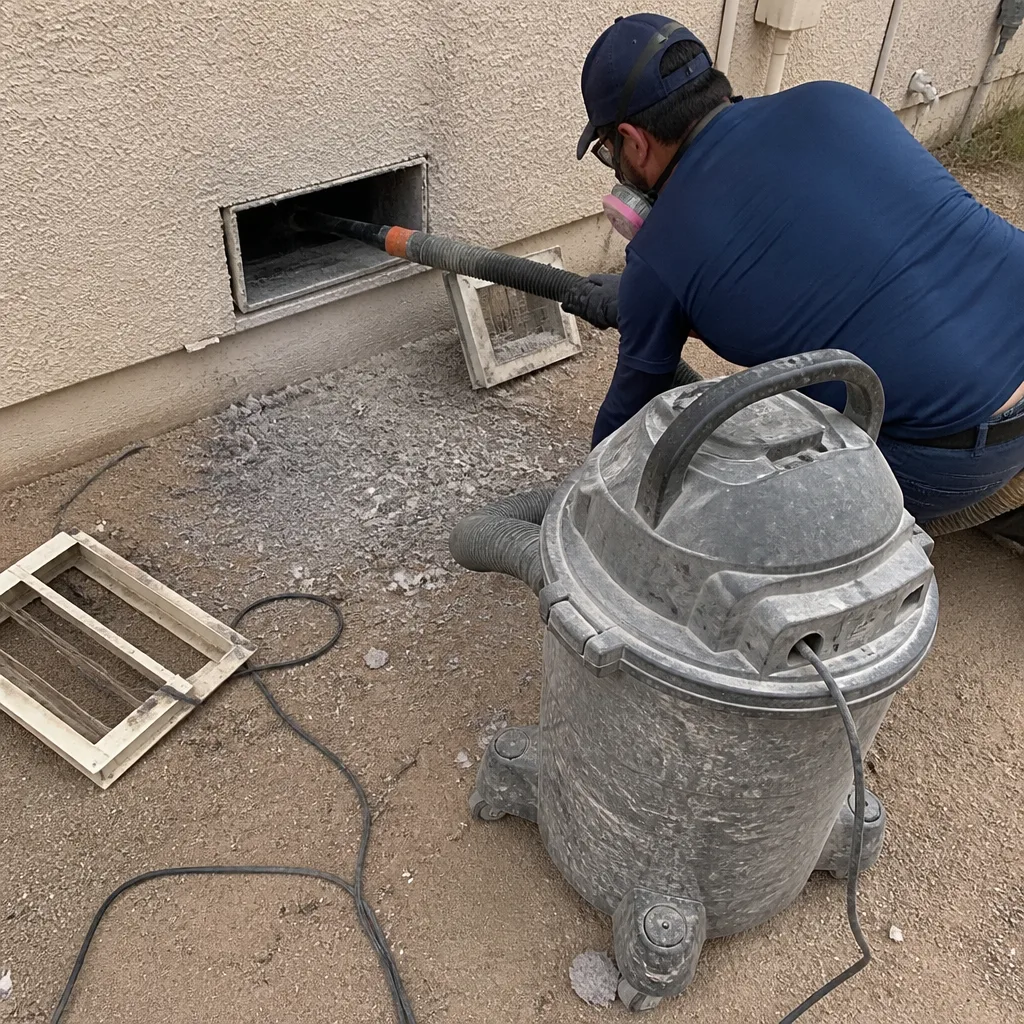 Before
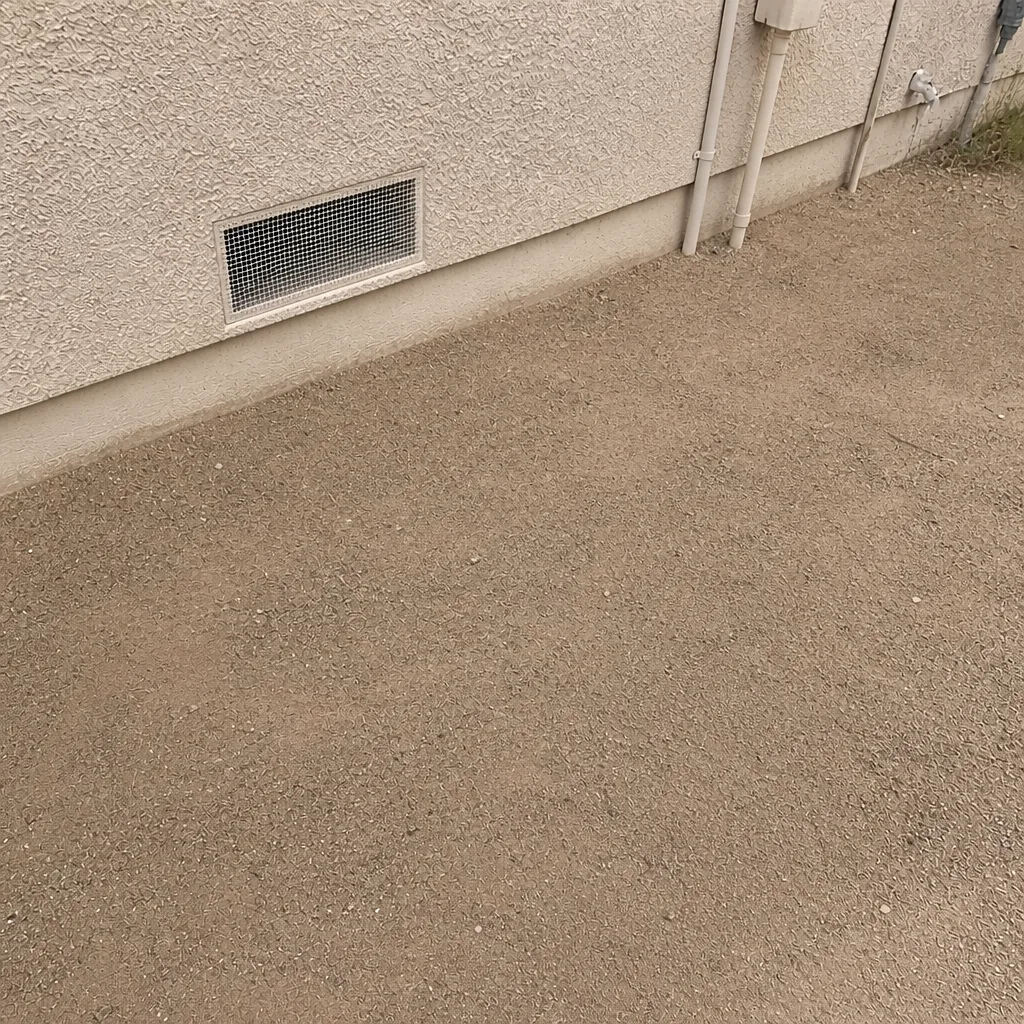 After
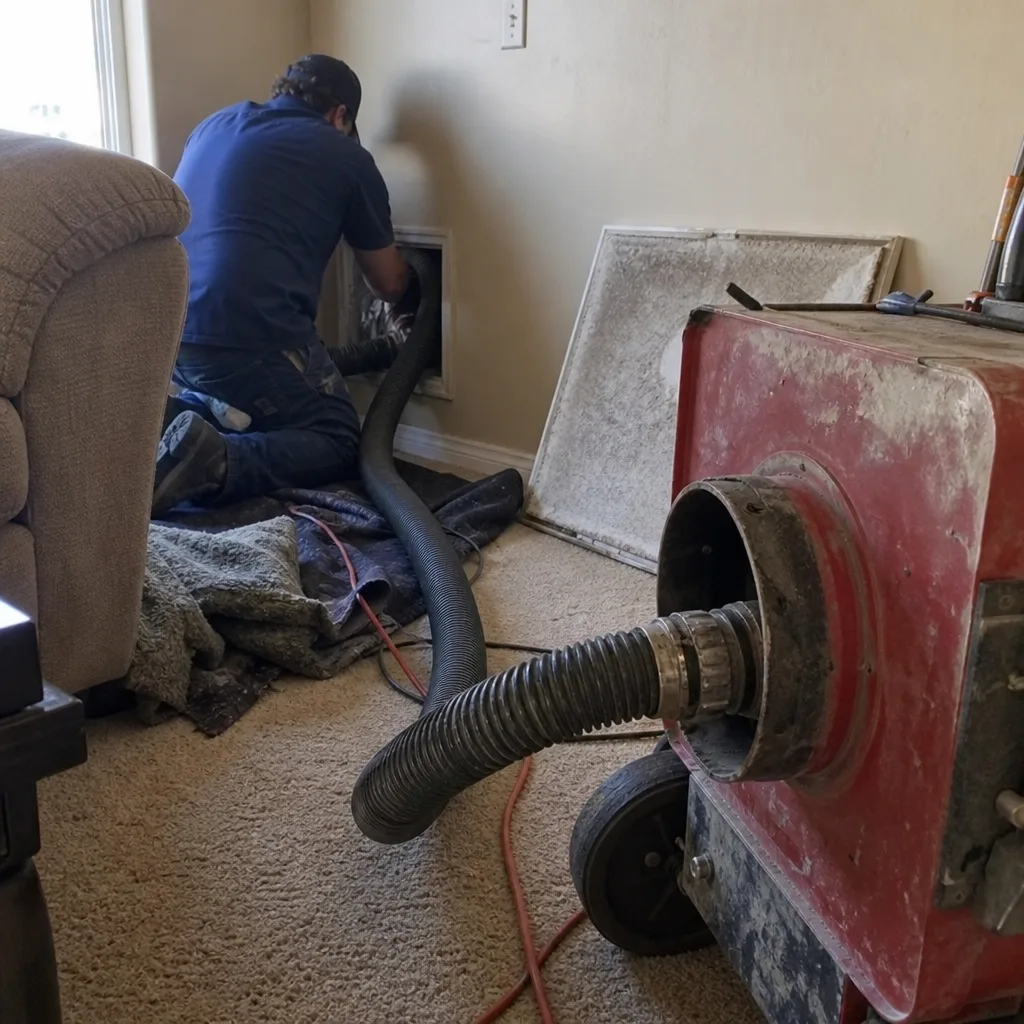 Before
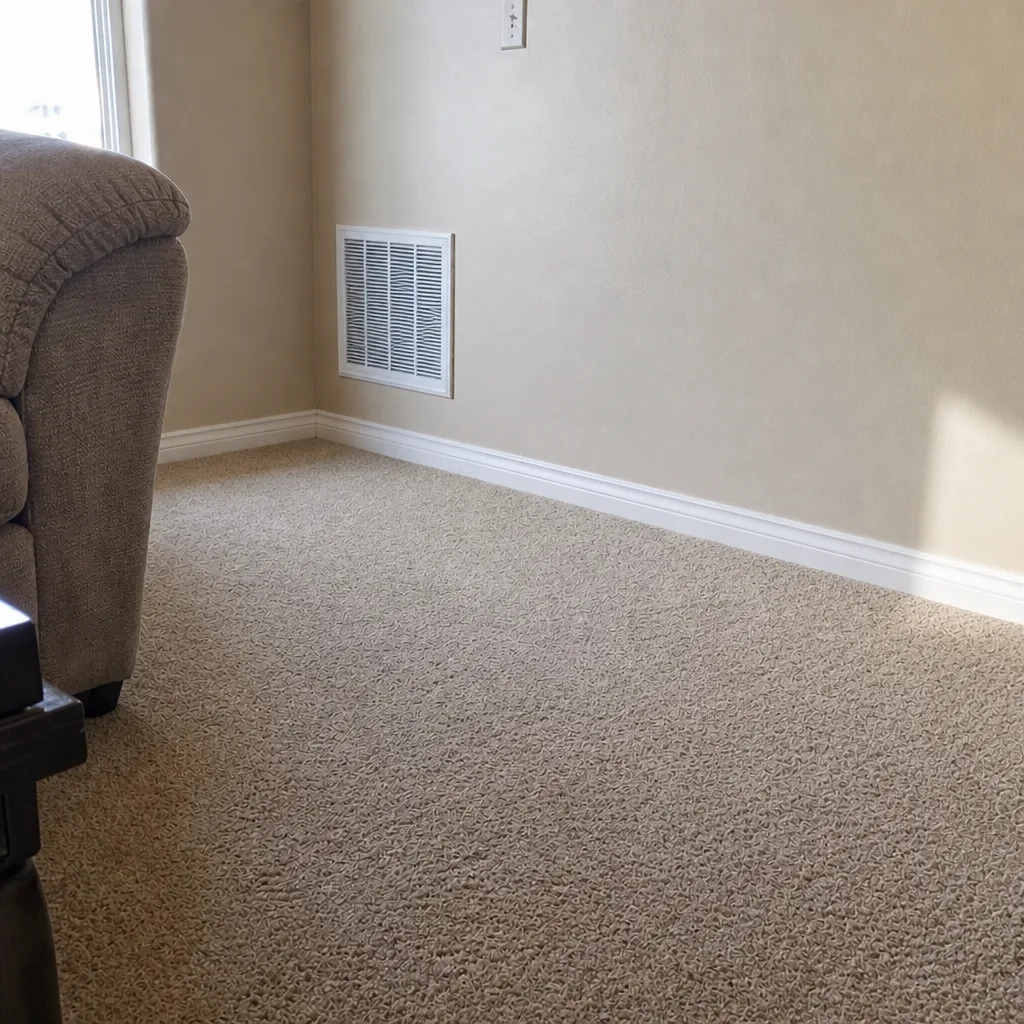 After
 Before
 After
When to Call a Professional
Not every storm event needs a tech on-site. A mild dust storm, a cloudy filter swap, and a few days of monitoring will usually recover on its own. But there are situations where waiting risks a bigger bill. Call us if you see visible dust puffing from registers after restart, if the system smells like dust or smoke after a week, if you’ve had any water intrusion into a duct run, if the dryer is taking longer than it used to, or if a post-outage restart produced a rattle or hum that doesn’t clear. In any of those scenarios, the difference between a same-day inspection and waiting two weeks is often the difference between cleaning and repair.
Duct Cleaning Buckeye offers free estimates in Buckeye – call (866) 361-5107. We answer 24/7. Fast dispatch from 7am to 7pm, Sunday through Friday.
Frequently Asked Questions
In most cases you can wait for the next scheduled cleaning unless you noticed visible dust inside a register or dust puffing out when the system runs. If the storm was severe enough to blow dust under doors, or if the ducts were already due for a cleaning, booking an inspection within a couple of weeks is reasonable. If you see visible dust in the supply registers, that dust is already circulating and shouldn’t wait. Call (866) 361-5107 for an exact quote – estimates are free.
Yes, and it’s not obvious. Smoke that enters a duct system with a load of existing dust is harder for the filter to catch because the dust has already partially clogged the filter media. Clean duct walls give the filter a fighting chance during a smoke event. If you haven’t had the ducts cleaned in a few years and are heading into fire season, a cleaning before smoke events arrive is more useful than a cleaning after. Our Buckeye team can inspect the system and tell you whether cleaning is warranted before the season.
MERV 13 is the practical target for a smoke event if your system can handle the airflow restriction. MERV 11 is a safe middle ground if you’re unsure. MERV 8 is fine for everyday use. Avoid MERV 16 or higher unless your system is designed for it – the airflow restriction will hurt comfort and may shorten blower motor life. Call (866) 361-5107 if you want a recommendation specific to your system.
Most homes benefit from a professional cleaning every 3 – 5 years, or sooner after a major dust storm, water intrusion, or renovation. Homes with pets, allergy sufferers, or particularly dusty properties – which describes a lot of Buckeye homes – often benefit from an inspection every couple of years. The 3 – 5 year rule is a general guide, not a firm schedule; the actual trigger is what’s in the system. Call (866) 361-5107 to schedule an inspection.
Pricing depends on the size of the system, the number of vents, and whether repair is needed. We give one flat price per system, agreed before any work starts, and we don’t quote per-vent teaser pricing. A written estimate sets the final price; nothing gets added once the technician is on site without your say-so. Call (866) 361-5107 for a free estimate.
You get before-and-after photos of your own ducts, taken by the technician during the job. Not a stock photo, not a video from a different home. If the technician finds damage during the inspection, the photos document it. And if a repair is needed, we scope it separately so you can see exactly what’s being fixed. Call (866) 361-5107 with any questions about how a cleaning works.
The Bottom Line
Duct emergencies in Buckeye are predictable: haboobs, wildfire smoke, extended outages, and the occasional monsoon flood. Each one has a specific protocol, and the protocol for all four starts with the same move – stop the system, inspect, then decide whether to restart or call. Keep a MERV 11 and a MERV 13 filter on the shelf, a flashlight in the HVAC closet, and a service number in your phone. If you see visible debris, smell moisture or smoke that doesn’t clear, or hear a blower rattle after a restart, don’t wait for the next storm. Call (866) 361-5107. We answer 24/7. Fast dispatch from 7am to 7pm, Sunday through Friday.
Written by the team at Duct Cleaning Buckeye.