
Last updated November 15, 2026
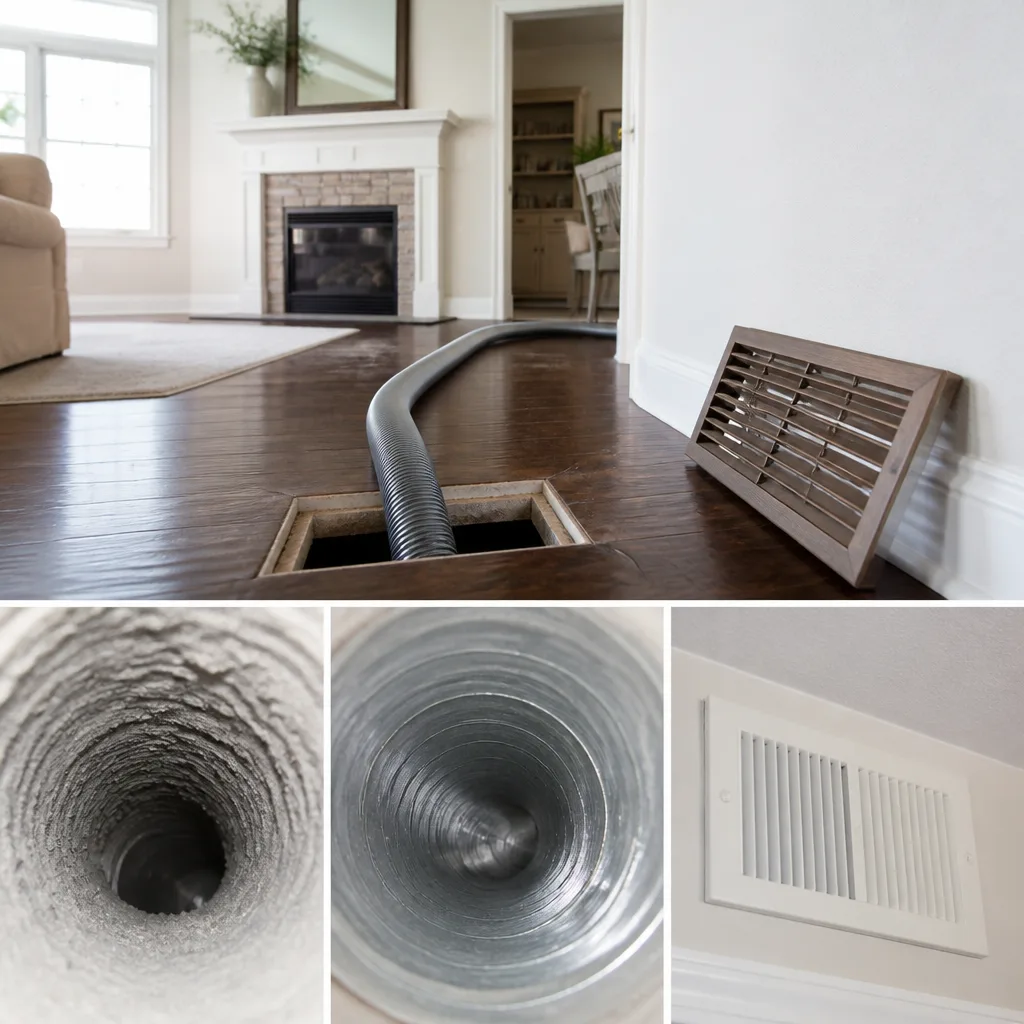 Whole-home duct cleaning
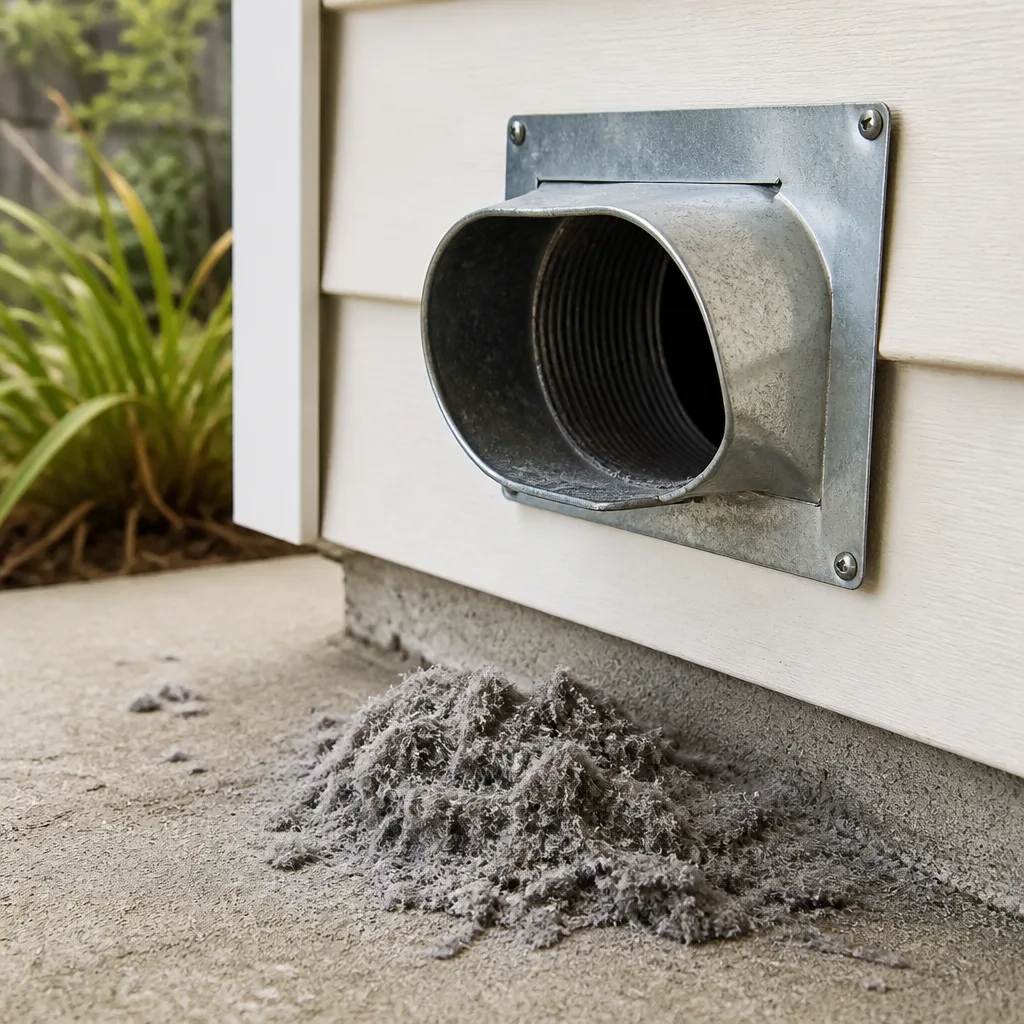 Dryer vent cleaning
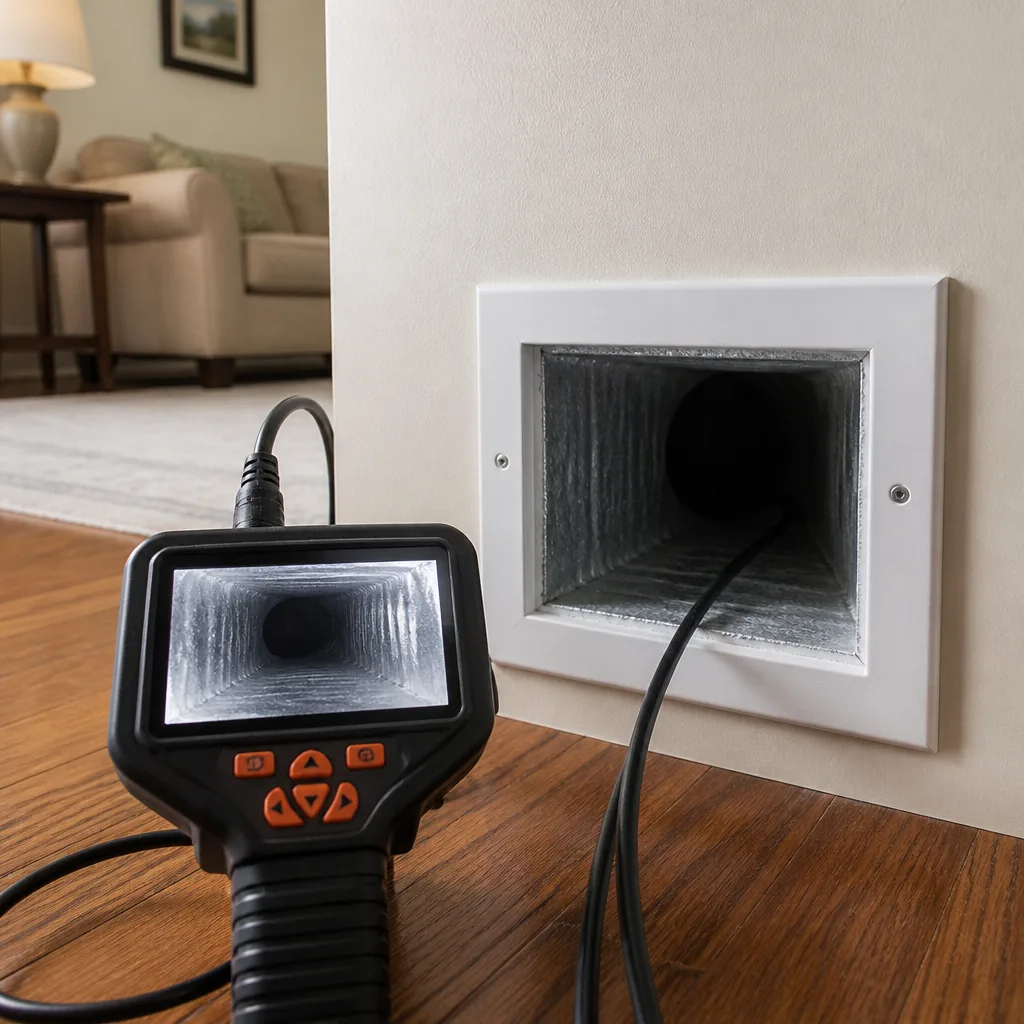 Camera inspection
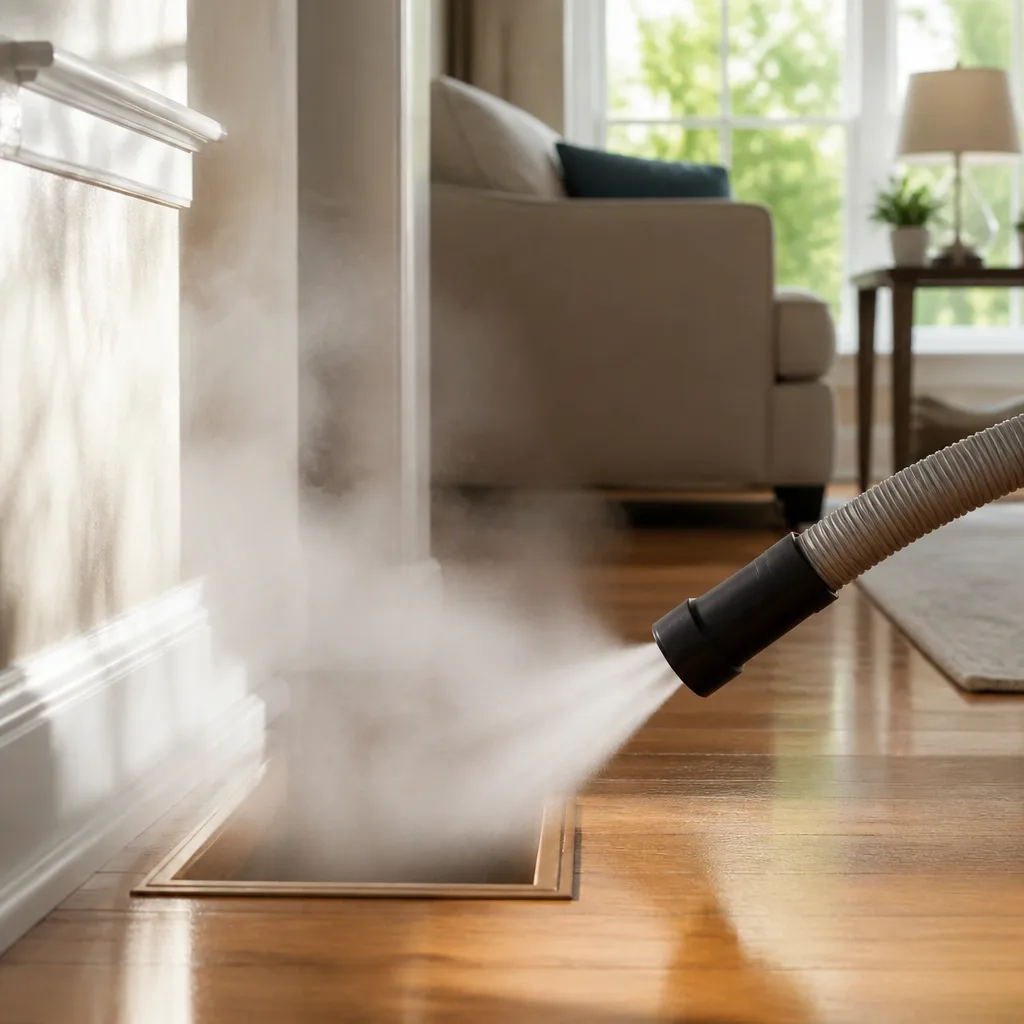 Sanitizing & deodorizing
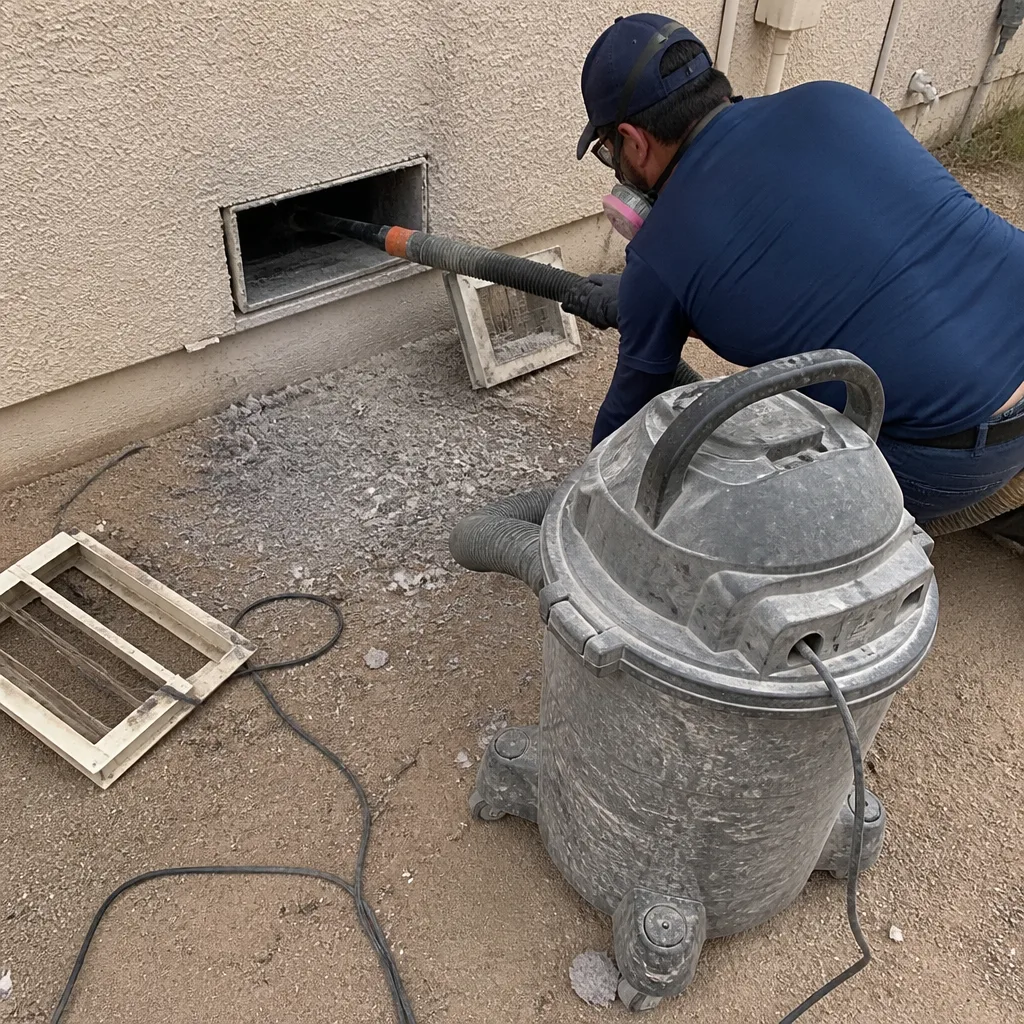
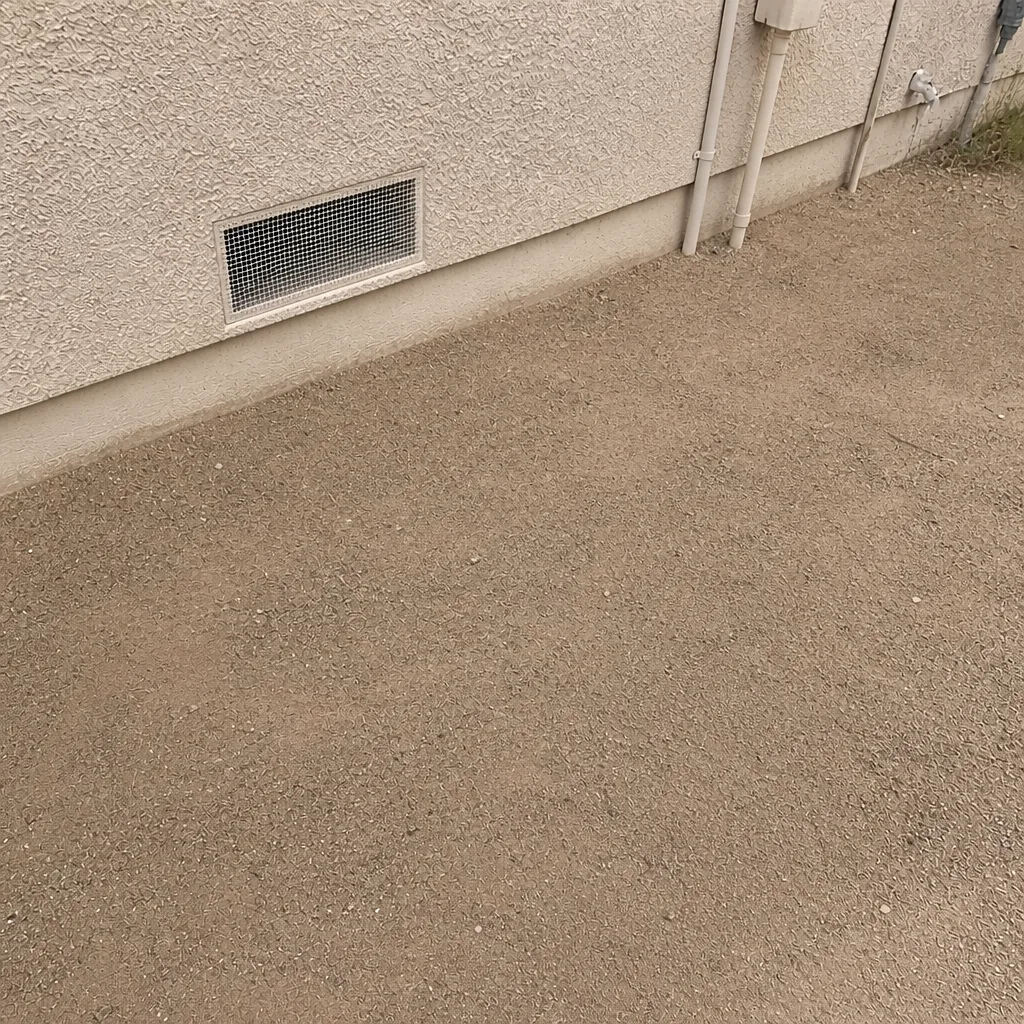
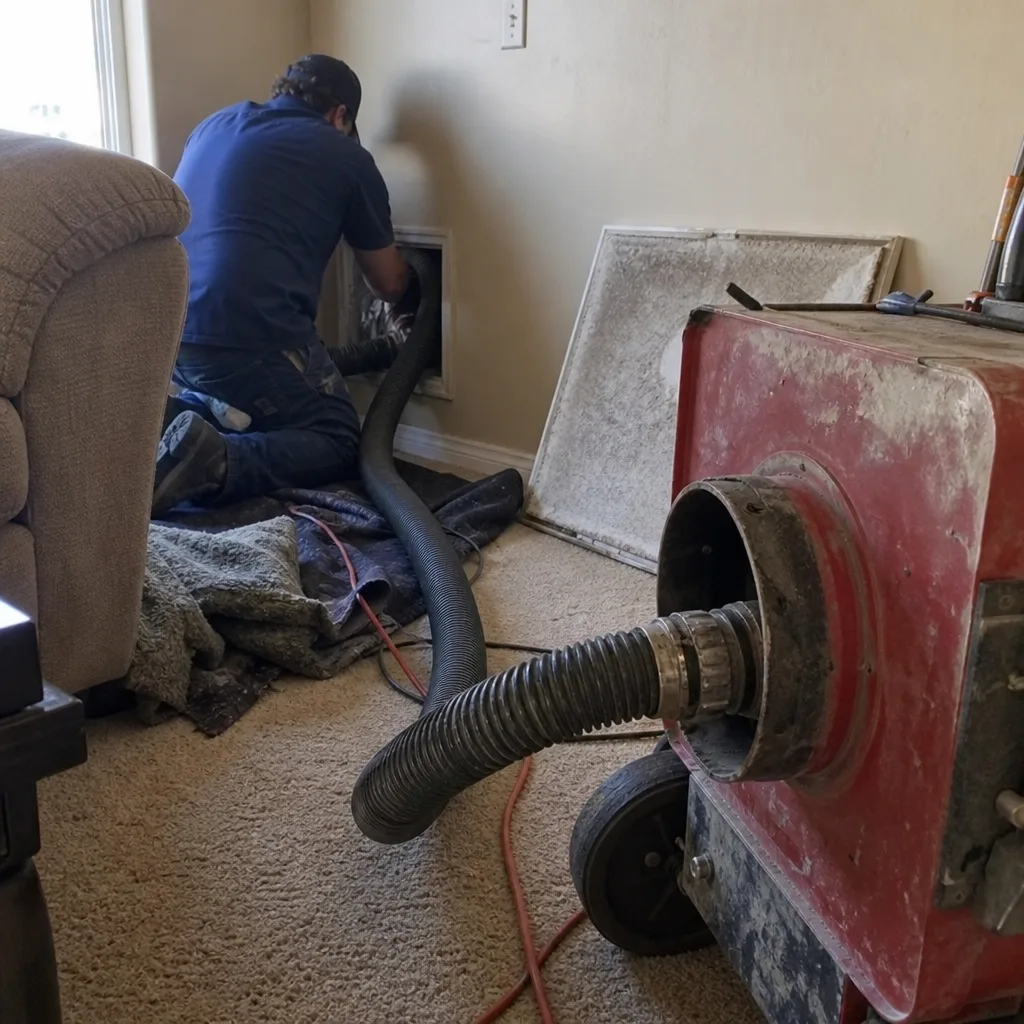
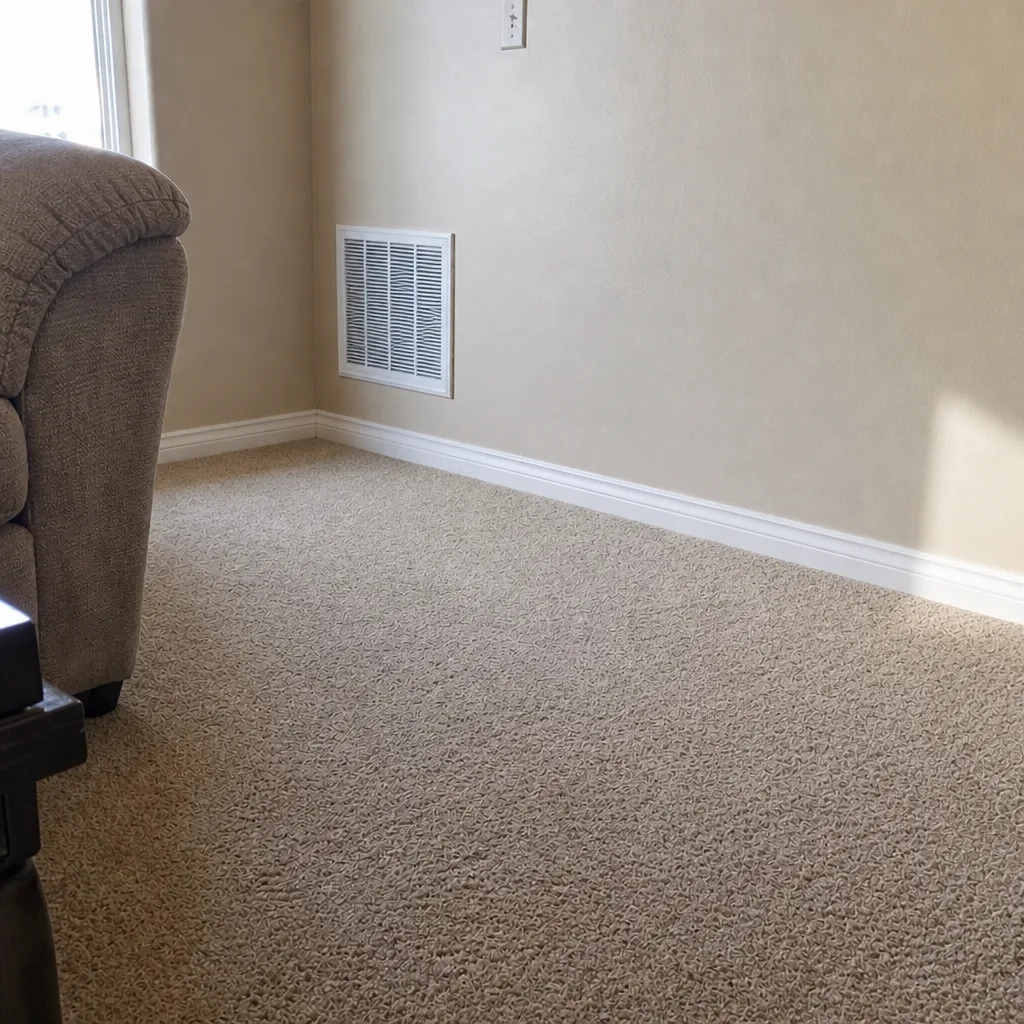
Whole-system duct and dryer vent check with before-and-after photos - you see exactly what came out of your vents
That "$99 whole-house special" is a bait ad - the real number appears once they are in your hallway, or the "clean" is a shop-vac at the register. We photograph the inside of your ducts before and after instead.
Air Duct Cleaning Permits, Codes & Inspections in Buckeye, AZ: What You Need to Know
Most duct cleaning visits don’t require a permit. That’s the part homeowners expect to hear, and it’s true. The counterintuitive part is what happens next. Duct cleaning and duct work are two different categories of activity in the eyes of a building department, and the line between them is thinner than most people assume. If a technician patches a torn duct section, re-routes a flex run, or installs a new return without a permit, that work doesn’t just violate code. It becomes your problem when you sell the house. This guide walks through where cleaning ends and regulated mechanical work begins under the Arizona Residential Code, how the City of Buckeye processes HVAC permits, and what to collect from any contractor who touches your ductwork.
Quick Answer
Cleaning the inside of your existing ducts is maintenance and does not require a permit in Buckeye, AZ. Repairing, replacing, extending, or re-routing ductwork is mechanical work that generally does require a permit from the City of Buckeye’s building department. Duct sealing with mastic or approved tape sits in the middle: minor sealing usually falls under maintenance, while replacing whole duct sections or making new connections crosses into permitted work.
Styles & brands we work with
- Whole-home duct cleaning
- Dryer vent cleaning
- Camera inspection
- Sanitizing & deodorizing
Table of Contents
- Cleaning vs. Mechanical Work: Where the Line Falls
- What the Arizona Residential Code Actually Says
- How Buckeye Handles HVAC Permits
- Duct Sealing vs. Duct Replacement
- What to Collect From a Contractor
- How Unpermitted Duct Work Surfaces at Resale
- What Inspections Happen After Cleaning
- Common Mistakes to Avoid
Cleaning vs. Mechanical Work: Where the Line Falls
Duct cleaning removes debris from a system that already exists. The ducts stay where they are. No new connections are made. No components are replaced. That’s the definition that keeps cleaning out of the permit process. Cleaners who use a negative-pressure setup with equipment like Rotobrush or Nikro systems are agitating and extracting material from an unchanged system, which is why a professional cleaning visit is treated as maintenance rather than construction.
The moment the scope shifts from removal to modification, the category changes. Here are the work items that generally require a mechanical permit in Buckeye:
- Replacing a section of rigid or flex duct after damage
- Adding a new supply or return register that requires a new run
- Re-routing an existing run because it blocks a remodel
- Changing duct size or trunk line configuration
- Connecting new ducts to an HVAC system that didn’t have them
And here are the work items that usually do not need a permit:
- Cleaning the interior of existing ducts
- Sealing small leaks with mastic or approved metal-backed tape
- Re-taping loose joints that have not failed structurally
- Replacing a grille or register cover
- Re-attaching a diffuser that has fallen loose
In our experience, the confusion comes from the fact that both categories look similar in a quote. A technician walks through, finds a disintegrated flex duct behind a hallway ceiling, and tells the homeowner it can be patched. Sometimes patching is legitimate maintenance. Sometimes it’s a repair that crosses into permitted work. The difference is whether the duct is being restored to its prior condition or being replaced. Practically, if the technician is cutting out a bad section and putting in a new one, that’s a repair, and repairs need permits. The air duct cleaning visit itself stays permit-free.
What the Arizona Residential Code Actually Says
Arizona adopts the International Residential Code with local amendments. The mechanical chapter of that code governs HVAC systems, including ductwork, and it sets requirements for duct construction, materials, sealing, and support that apply whether or not a permit is pulled. In other words, the code standard for a duct is the same whether you’re replacing a whole system or patching a single damaged section. What changes is whether the work is inspected.
That distinction matters for homeowners because it’s often misunderstood. People assume code applies only to permitted work. It doesn’t. Code applies to all work. Permits and inspections are the mechanism that verifies the work meets code. When work happens without a permit, the code standard hasn’t been suspended; it has simply gone unverified until the next inspection that touches it.
A few general requirements worth knowing when duct work is involved in your home:
- Ducts must be sealed at joints and connections with approved materials
- Flexible duct must be supported at manufacturer-specified intervals
- Duct transitions and fittings must be compatible with the system they connect to
- Ducts passing through unconditioned space need appropriate insulation
- Return air pathways must not draw from spaces that present a contaminant risk
Specific code sections and local amendments should always be confirmed with the City of Buckeye’s building department, since adoptions and amendments change. What stays constant is the practical principle: any duct work that changes the configuration of the system needs a permit and an inspection before it’s closed up. When duct cleaning in Buckeye uncovers a section that needs replacing, the repair and the permit go together.
How Buckeye Handles HVAC Permits
The City of Buckeye’s building department handles mechanical permits, which is the category that includes HVAC and duct work. The typical process looks like this:
- Application. The contractor submits a permit application with a scope of work, a description of the ducts being modified, and the property address. Most of this happens online through the city’s permitting portal.
- Plan review. A mechanical permit for duct replacement or modification typically goes through a plan review. For simple residential work, this is often a quick review; for anything involving major configuration changes, it takes longer.
- Permit issuance. Once reviewed, the permit issues and work can begin. The permit number should be posted or available at the job site.
- Inspection. After the work is complete, a city inspector visits. For duct work, this inspection usually happens after the ducts are installed and sealed but before they are closed behind drywall or ceiling.
- Permit closure. The inspector signs off and the permit is closed in the city’s records.
Timelines vary with the city’s workload and the complexity of the job. Small residential duct repairs typically move through faster than multi-system replacements. If you’re planning a project around a closing date or a renovation schedule, ask the contractor to confirm permit status before the work begins rather than after. Buckeye has seen a lot of new residential construction, which means the building department is often busy with concurrent activity.
One detail worth knowing: inspections on duct work are frequently bundled with the HVAC rough-in inspection for new construction. On a retrofit or repair in an existing home, the duct inspection is usually its own scheduled visit. If you’re not sure whether a specific job needs its own permit, ask the contractor to confirm in writing. The building department can tell you what category a scope falls into.
Duct Sealing vs. Duct Replacement
This is the most useful distinction for a homeowner to understand, because it’s where the permit question gets answered in real time. Duct sealing is maintenance. Duct replacement is mechanical work.
Sealing means you’re stopping leaks at joints, seams, and connections. A technician uses mastic, approved tape, or similar material to close gaps that are allowing air to escape into the attic, the wall cavity, or the return plenum. No duct sections are removed. No new components go in. Nothing about the system’s configuration changes. That belongs in the maintenance category and doesn’t need a permit.
Replacement means a section of duct is being removed and a new section installed in its place. That includes replacing a collapsed or crushed flex run, rebuilding a disconnected trunk, or swapping out a damaged section of rigid duct. All of that changes the physical system and generally requires a permit.
Why does the distinction matter when you’re getting quotes? Because a low quote sometimes assumes the job is “just sealing” when the work actually needed is replacement. If the technician patches over damaged duct that should have been replaced, you’re paying for a fix that doesn’t meet the code standard, and you’ll be the one explaining it later. We’d rather tell you upfront that a section needs replacing, pull the permit, and do the job to code than hand you a cheap patch that quietly becomes a problem. That’s part of why we handle duct repair as a service alongside cleaning: if we find damaged duct during a cleaning, the repair can be done properly, with a permit, instead of being patched and forgotten.
What to Collect From a Contractor
If your duct work requires a permit, collect a specific set of documents. This is the paperwork that answers questions at resale, at insurance claims, and at future repairs. Ask for the following:
- The permit number. Get it before work begins. You can verify it against the city’s records.
- The inspection record. After the city inspector visits, the signed inspection card or portal record shows the work was approved.
- The final permit closure. This is the document that shows the permit was closed and the work accepted. It’s the one that protects you most at resale.
- Before-and-after photos of the duct work. Photos of the damaged section and the replaced section serve as a visual record.
- A written scope of work. A simple written description of what was repaired or replaced belongs in your home file.
We use Abatement Technologies filtration equipment during duct work to keep the inside of the home clean while the ducts are open, and we photograph the work. We also work with common air-quality and HVAC equipment brands like Honeywell and Aprilaire, so when the ducts connect to a system with those components, the replacement parts and the surrounding ductwork stay compatible. If your contractor isn’t willing to hand over the permit number and the closure document, ask why. There’s no good reason to withhold them.
How Unpermitted Duct Work Surfaces at Resale
Unpermitted duct work shows up at the worst possible moment: during the buyer’s inspection when you’re trying to close. Here’s how it’s typically found.
- Visible duct work in the attic or crawlspace. A home inspector who sees new duct sections, fresh mastic, or fresh tape with no permit record will note it.
- Mismatch between the disclosure and the permit history. If you disclosed a duct repair but the city has no permit on file, that’s a flag.
- Visible code issues. Crushed flex, sagging runs, unsupported duct, or improperly sealed joints are all things an inspector notices.
- Recent HVAC replacement records. A new air handler or condenser on file, but no associated duct permit, raises questions.
The remediation path is rarely catastrophic but it is administrative and sometimes physical. In general terms, it usually involves retroactive permitting, an inspection, and occasionally the removal and redoing of work that doesn’t meet code. The inspection may require opening a ceiling or wall to see the ducts. Depending on how the work was done and how accessible it is, remediation may involve re-doing sections that were never inspected. The dollar cost varies widely with the scope. Every case is different, so get an estimate before assuming the worst.
Arizona’s dry climate is relevant here. Duct tape and mastic don’t last as long in low-humidity, high-temperature attic environments as they do in milder climates, so a quick patch can fail within a few years and create leaks that weren’t there before. It’s the kind of thing a home inspector notices and a buyer asks about. If you’re planning to sell a Buckeye home and there’s any question about duct work done over the past several years, pulling the permit history before listing is easier than answering the question mid-close.
What Inspections Happen After Cleaning
A cleaning visit itself doesn’t trigger a city inspection. What happens after cleaning depends on whether the cleaning revealed damage that requires permitted repair.
If the ducts are intact and the cleaning is the whole story, there’s no inspector visit. What you receive instead is a record of the cleaning: before-and-after photos of the ducts, a summary of what was found, and notes on any issues the technician noticed. That’s the documentation set to keep with your home records, and it’s what we provide on every cleaning.
If the cleaning uncovers damaged duct that needs replacement, the sequence changes. The right path is:
- The technician documents the damage with photos.
- The contractor files a mechanical permit with the City of Buckeye.
- The repair work is done and sealed to code.
- A city inspector visits and signs off on the work.
- The permit closes and you receive the closure record.
The inspection happens before the ducts are closed behind drywall or ceiling, so the inspector can see the work. If the contractor is suggesting drywall can be replaced before the inspection, that’s a scheduling problem, not a valid approach.
Homeowners often ask whether they should still get a cleaning if damage is likely. The answer is yes: you can’t know what’s in the ducts until someone looks. From cleaning to repair, one specialist handles the whole job, and that’s a cleaner sequence than having the cleaning done, then calling a separate contractor for the repair, then coordinating a permit. The duct cleaning Buckeye service line and the repair capability sit in the same process, which is why the inspection record is easy to assemble on a job that turns from cleaning into repair.
Common Mistakes to Avoid
- Assuming cleaning covers duct repair. Cleaning is maintenance; repair is mechanical work. If your quote doesn’t distinguish the two, ask before work starts. A cleaning visit that quietly turns into an unpermitted repair leaves you with the problem at resale, not the contractor.
- Accepting a patch on destroyed duct. In Buckeye’s heat, flex duct that has been crushed or badly torn can’t be reliably patched. Ask what’s actually being replaced versus sealed, and get it in writing.
- Skipping the permit on a “small” repair. A single flex run replacement still changes the system. Small doesn’t mean permit-exempt, and the permit is cheap relative to the resale headache.
- Not asking whether the permit is closing out. A permit that’s issued but never inspected and closed doesn’t help you. Confirm closure, not just issuance.
- Filing the closure document in a drawer you’ll forget. Keep the permit number, the inspection record, and the closure document together with your other home records, so you can produce them on short notice.
- Using a dryer vent cleaning as an excuse to skip duct work questions. Dryer vents are a separate system with a separate safety concern. If you’re having either cleaned, ask whether anything uncovered crosses into permitted repair territory.
- Getting only the cheapest bid. A low bid sometimes assumes the patching route, which means no permit and no inspection. The written estimate and the permit plan should line up.
See the difference
 Before
 After
 Before
 After
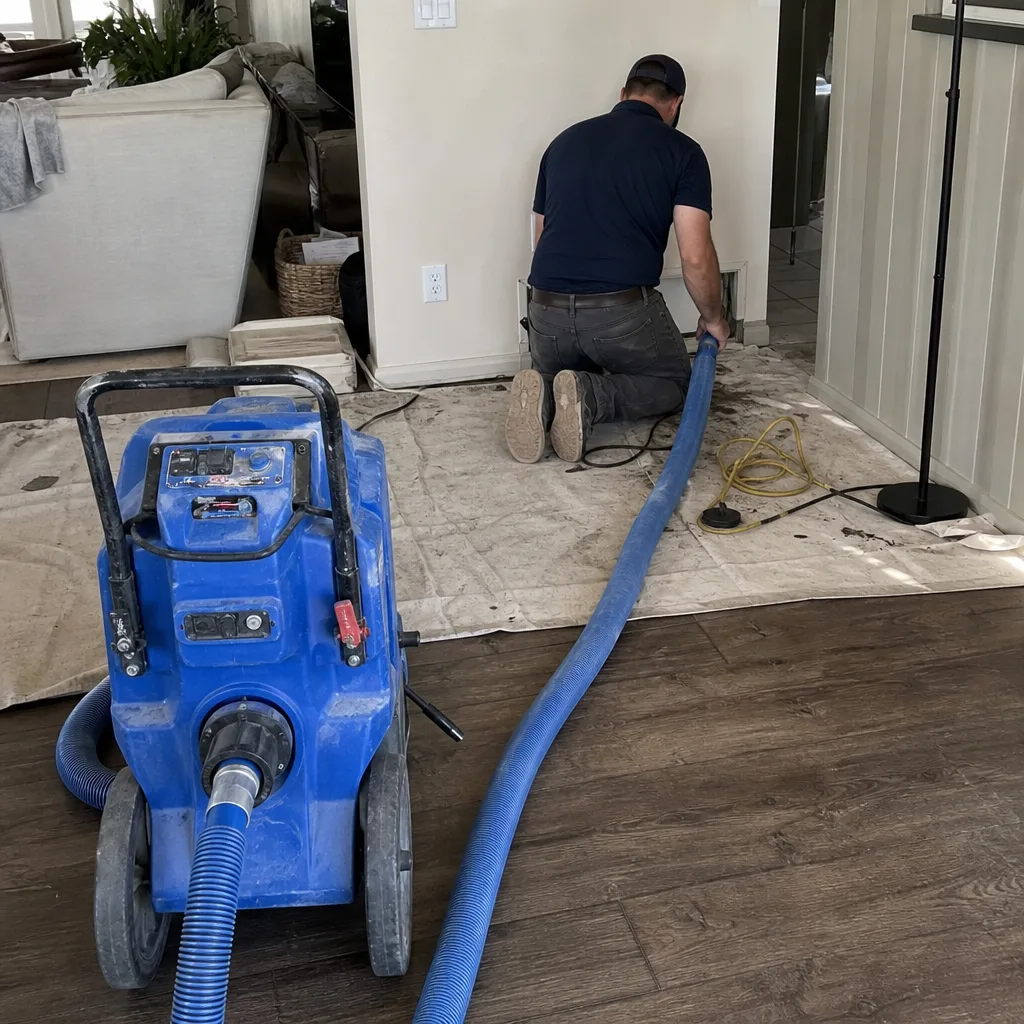 Before
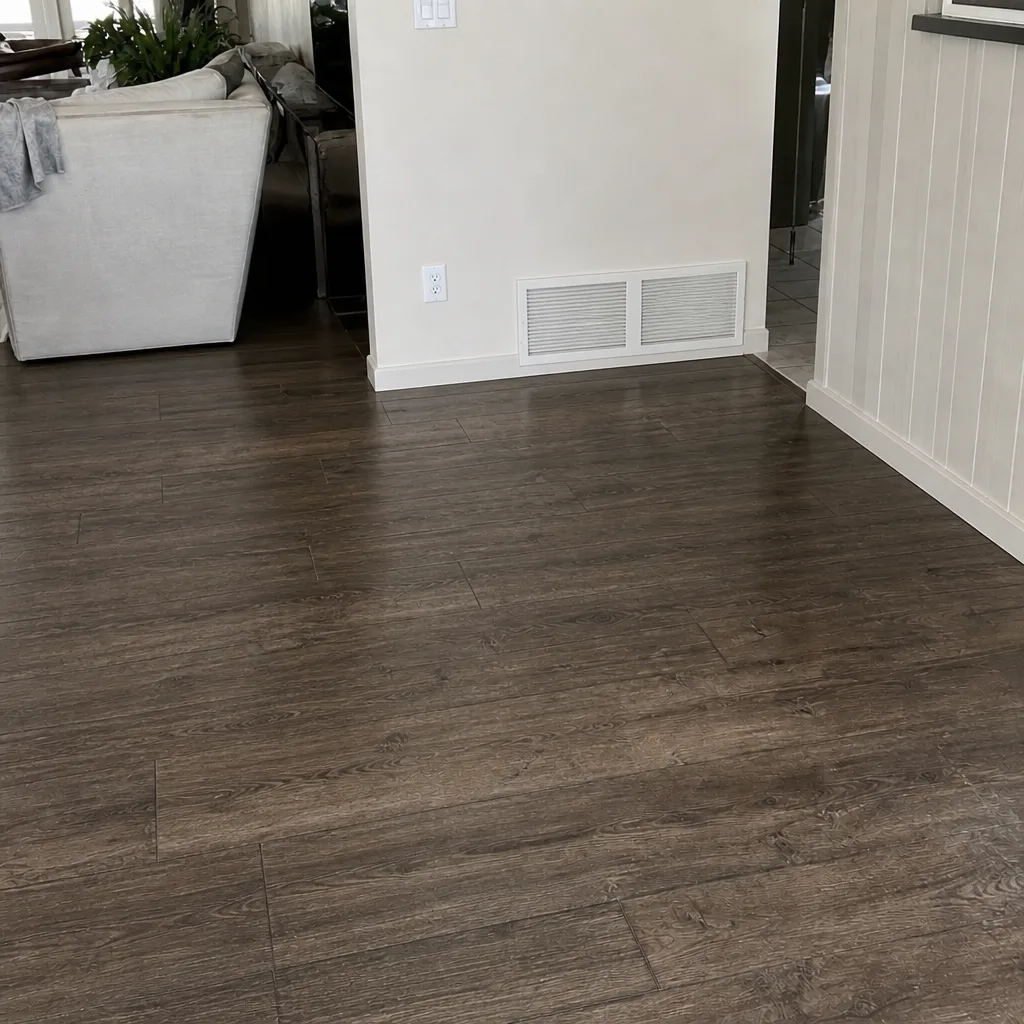 After
When to Call a Professional
Call a professional when you see visible damage to ductwork, when your HVAC system is losing airflow in specific rooms, when you notice dust returning within weeks of a cleaning, or when you’re preparing to sell a Buckeye home and you’re not sure what’s been done to the ducts. Dryer vents are their own category: if a load of laundry takes two cycles to dry or the vent flap doesn’t open fully, that’s worth a look before it becomes a fire risk. Our technicians have up to 14 years of experience with this equipment, and we typically identify repair needs during a cleaning visit. If you’re unsure whether your situation requires a permit, ask us first. Duct Cleaning Buckeye offers free estimates in Buckeye: call (866) 361-5107. We answer 24/7. Fast dispatch, 7am-7pm, Sunday through Friday.
Frequently Asked Questions
No. Cleaning the interior of existing ducts is maintenance and doesn’t require a permit. Repairs, replacements, and re-routes do require a permit from the City of Buckeye. Call (866) 361-5107 for an exact quote and to confirm whether your job crosses that line.
Usually not, as long as the sealing is at joints, seams, and connections with approved materials. Replacing duct sections or making new connections does require a permit. The distinction matters because the code standard applies either way. Call (866) 361-5107 and we’ll tell you which category your job falls into.
Small residential duct permits typically move through review quickly, though timelines vary with the city’s workload. Complex jobs or major configuration changes take longer. Permit status should always be verified with the City of Buckeye’s building department before work begins. Call (866) 361-5107 for an exact quote on the work itself.
You should receive before-and-after photos of your ducts, a written scope of the work, and, for anything that required a permit, the permit number and the city’s closure document. On a cleaning job with no permitted repair, the photo record is the main documentation. Call (866) 361-5107 for an exact quote and to see what documentation comes with your visit.
A low quote is sometimes assuming a patch when the job actually needs a permitted replacement, or it’s using small equipment that doesn’t fully agitate and extract debris. Ask what equipment is used, whether the quote distinguishes cleaning from repair, and what documentation you’ll receive. We use professional-grade equipment and provide before-and-after photos of your own ducts. Call (866) 361-5107 for an exact quote.
Ductwork should be visually inspected at least once, typically during a cleaning or a system check, and every time the system or surrounding work is touched. In Buckeye’s dry heat, flex duct and mastic tend to fail faster than in milder climates, so a check every few years is a reasonable baseline. Call (866) 361-5107 for an exact quote on a cleaning and inspection visit.
The buyer’s inspector flags it, and remediation usually involves retroactive permitting, an inspection, and sometimes opening ceilings or walls to verify or redo the work. The cost varies widely with scope. If you know or suspect unpermitted work was done, get ahead of it before listing. Call (866) 361-5107 for an exact quote on an inspection.
No. Dryer vent cleaning is a separate system with its own safety concern, and it’s a regular maintenance item, not a permitted mechanical change. It’s part of the same visit for many homeowners because it’s a fire-safety service, not a permit question. Call (866) 361-5107 for an exact quote on dryer vent cleaning.
If you’re in Buckeye and you’re not sure whether your ducts need cleaning or repair, or what kind of documentation you should be collecting, an inspection answers that. We handle air duct cleaning, dryer vent cleaning, and duct repair – the three services where these questions come up most. If you’re outside Buckeye, our service area covers the Buckeye region.
The Bottom Line
Cleaning doesn’t need a permit. Repair and replacement do. Duct sealing sits in the middle. Buckeye’s building department handles the mechanical permits for HVAC work, and the documents you collect at the end of a permitted job – the permit number, the inspection record, the closure document, and the before-and-after photos – are the ones that protect you at resale. The distinction between cleaning and repair isn’t a technicality. It’s the thing that determines whether a technician can patch a problem for cash or has to pull a permit, inspect it, and do it to code. If you want a straight answer about which category your job falls into, call us.
Call (866) 361-5107 for a free estimate. We answer 24/7. Fast dispatch from 7am to 7pm, Sunday through Friday. Our technicians have up to 14 years of experience, and we use professional-grade Rotobrush and Nikro equipment on every job. If we find damaged duct, we’ll tell you clearly that a permit is needed and walk through the process with you. Our estimates are free, the price is set per job by the written estimate, and you’ll receive before-and-after photos of your own ducts.
Written by the team at Duct Cleaning Buckeye.