
Last updated November 15, 2026
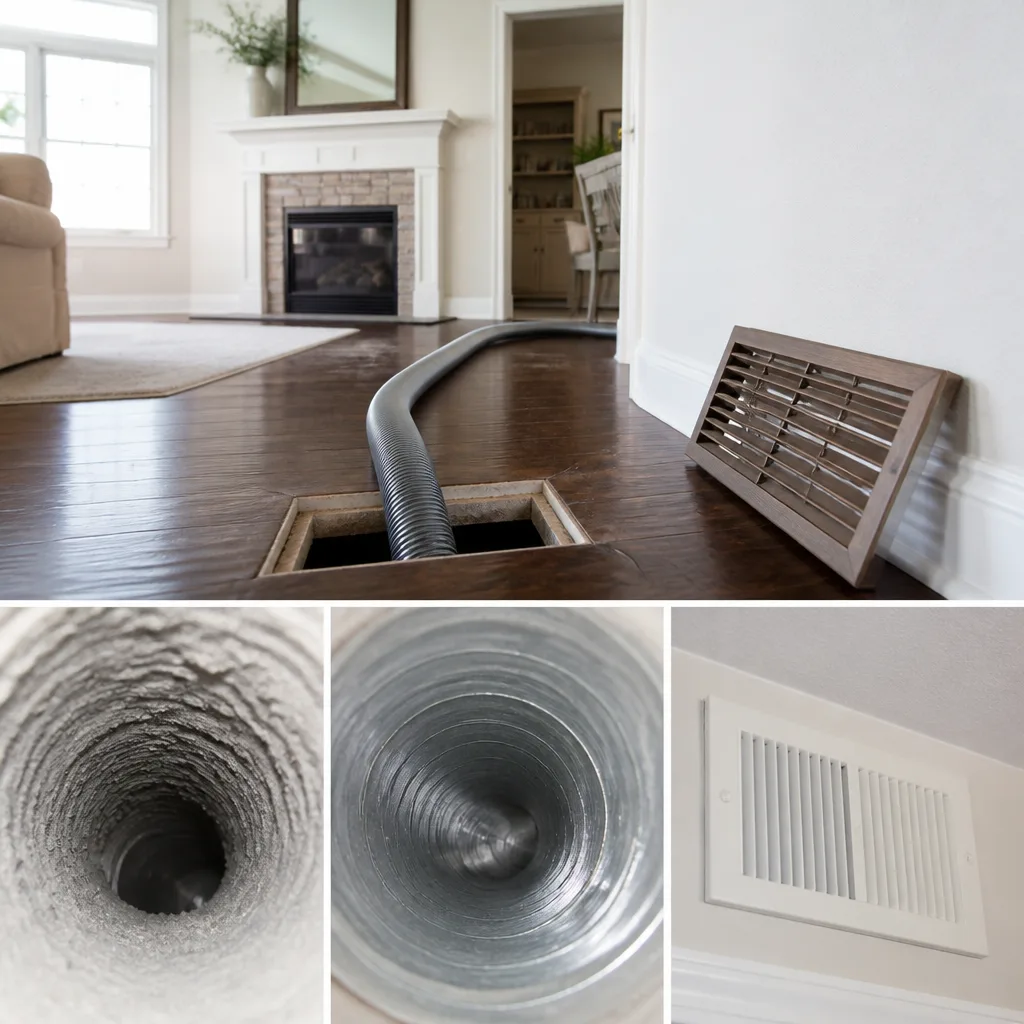 Whole-home duct cleaning
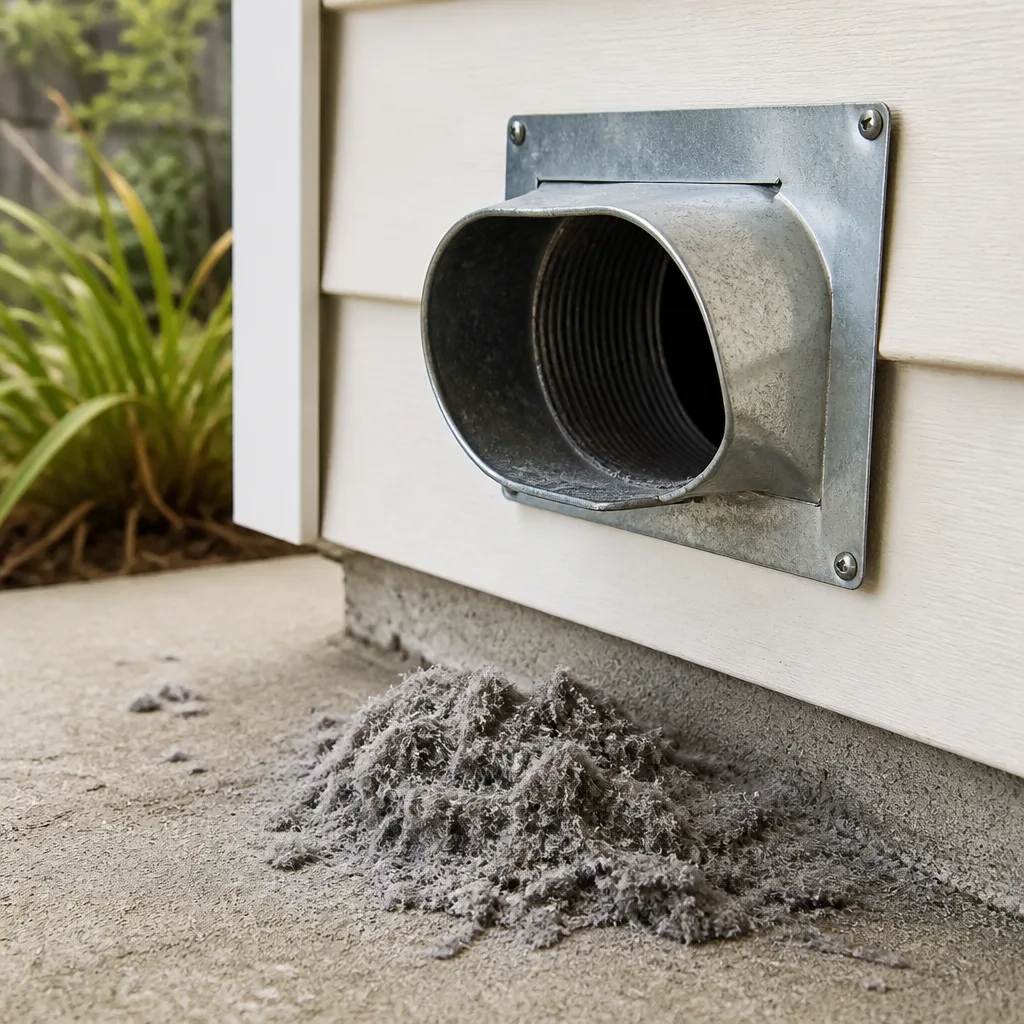 Dryer vent cleaning
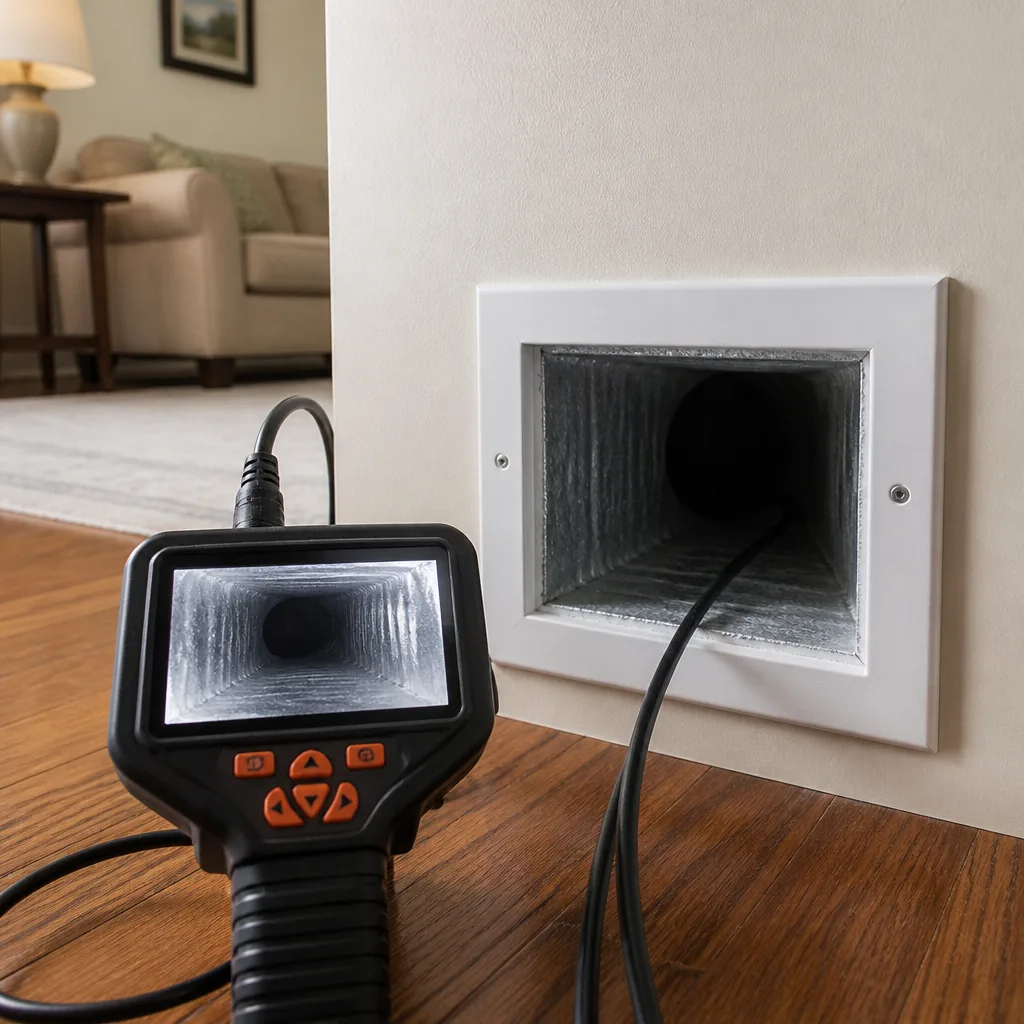 Camera inspection
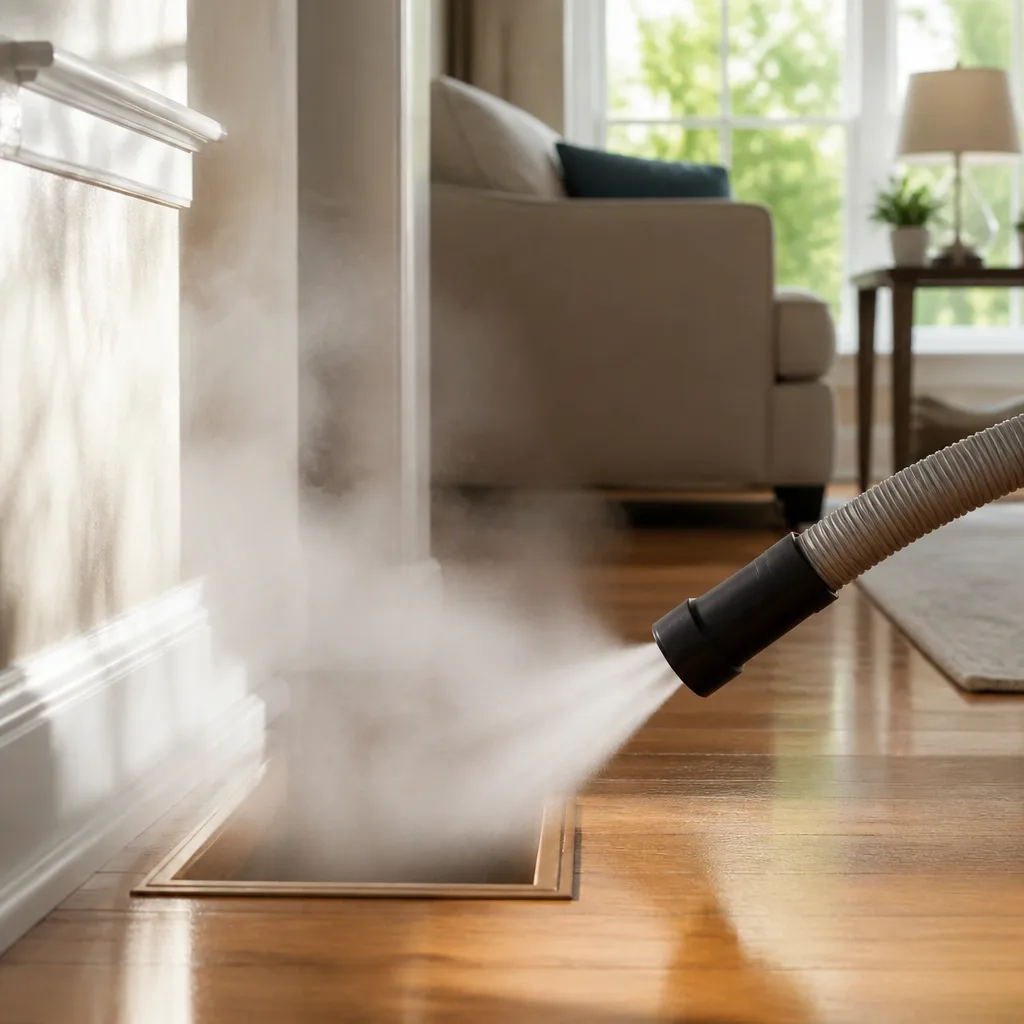 Sanitizing & deodorizing
Whole-system duct and dryer vent check with before-and-after photos - you see exactly what came out of your vents
That "$99 whole-house special" is a bait ad - the real number appears once they are in your hallway, or the "clean" is a shop-vac at the register. We photograph the inside of your ducts before and after instead.
Air Duct Cleaning Maintenance Checklist for Buckeye Homeowners
A Buckeye home’s air handler can cycle more hours in one August week than a Midwest home cycles in two full months. That single fact breaks most duct maintenance advice you’ll find online. The standard “change your filter every 90 days” line was written for a house where the system rests through spring and fall. Here, it runs hard for months, pulls desert dust through every gap and imbalance, and never really gets a season off. What follows is a maintenance checklist built for that reality: monthly, quarterly and annual tasks, how to read filter loading as a gauge of what’s building up in your ducts, what to inspect after a haboob, and clear benchmarks for knowing when to stop doing it yourself and call a specialist.
Quick Answer
Buckeye homeowners should check the filter monthly and replace it whenever loading is visible, inspect registers and the air handler cabinet after every dust storm, and schedule professional air duct cleaning when you see consistent debris at the vents, uneven airflow room to room, or a filter that clogs far faster than it used to. Because an Arizona system runs nearly year-round, maintenance is a continuous cycle, not a seasonal chore.
Styles & brands we work with
- Whole-home duct cleaning
- Dryer vent cleaning
- Camera inspection
- Sanitizing & deodorizing
Table of Contents
- Why Buckeye’s Climate Rewrites the Standard Checklist
- The Monthly Checklist
- The Quarterly Checklist
- Reading Filter Loading as a Contamination Gauge
- Post-Haboob Inspection Steps
- The Annual Checklist and Professional Cleaning
- When DIY Maintenance Stops Being Enough
- Documentation Habits That Pay Off Later
Why Buckeye’s Climate Rewrites the Standard Checklist
Buckeye sits in the West Valley, where summers are long, the air is dry, and fine dust is simply part of the environment. That combination changes how duct maintenance works. National checklists assume a system that takes breaks. Yours doesn’t. When the air conditioner runs almost continuously from late spring through early fall, it’s moving filtered air through the same ductwork for thousands of hours, and every pressure imbalance in the system pulls unfiltered exterior air in through the path of least resistance.
That matters because dust doesn’t stay put. A return duct under negative pressure near an attic hatch or a loose joint will draw fine desert particulate straight into the airstream. It settles on duct walls, collects at the registers, and slowly coats the blower wheel and evaporator coil. None of that shows up as a dramatic event. It shows up as a system that works a little harder each year and a house that feels a little dustier each August.
So the maintenance cadence here looks different from the generic advice:
- Filters load faster. A filter that lasts three months in a mild climate can be meaningfully loaded in a few weeks of peak summer runtime in Buckeye.
- Dust events are seasonal and dramatic. Monsoon-season haboobs push fine particulate into every crack, and the HVAC system is the biggest crack in most homes.
- There’s no natural downtime. The system doesn’t idle long enough for buildup to loosen or for you to catch issues between “seasons.”
- Dry air means static and dust travel well. Low humidity keeps fine particles airborne longer, so they reach return grilles that a humid climate might not push them toward.
What we do at Duct Cleaning Buckeye is match the routine to those conditions. We clean, then we inspect, and if we find damage, we fix it. That order matters, and it’s the spine of everything below.
The Monthly Checklist
Monthly maintenance is quick. Fifteen minutes once a month catches most problems before they cost money. Do these tasks in order:
- Pull and hold the filter up to the light. If you can’t see light through it, it’s done. In peak Buckeye summer, expect to change more often than the box suggests.
- Look at each supply register. Streaks of dust radiating from the louver or a dark halo on the ceiling around the grille are early signs of duct contamination.
- Check the return grille. A return that’s visibly coated hints at what’s lining the duct behind it.
- Listen at the air handler. A new rattle, whistle or whoosh can mean a loose joint or a section of flex duct that’s come apart.
- Note any room that feels weak. A bedroom that used to cool well but now lags is a data point.
- Look for condensation or moisture anywhere near the unit. In a dry climate this is easier to spot, and it should be addressed quickly.
- Wipe the return grille face with a damp cloth so you can tell new dust from old next month.
None of this requires tools or climbing. Keep a small notebook or a note on your phone and jot the date and what you saw. That record becomes genuinely useful later, when you’re deciding whether to book a cleaning. A homeowner in Buckeye who’s tracked filter loading for six months has far better information than one guessing from memory.
The Quarterly Checklist
Every three months, go deeper. This is where you move past the visible and start checking the parts of the system that don’t get looked at often:
- Remove a couple of registers and look inside. Shine a light down the duct. Visible dust accumulation on the walls, debris sitting on the bottom of the run, or a coating on the duct liner are all signals.
- Inspect accessible duct joints. Look for separated tape, disconnected flex sections, or joints that have come loose. Gaps here are how exterior dust enters the system.
- Check the air handler cabinet. Look at the door seal and any penetrations. Dust trails at the seams suggest leakage.
- Examine the blower compartment (visually only). If you can see the blower wheel without disassembly, note whether it looks coated. A heavily dusted blower wheel usually means the coil is too.
- Test the airflow at each register by holding a tissue or your hand near it. A noticeable difference between rooms is worth tracking.
- Walk the attic duct runs if they’re safely accessible from a stable surface, looking for sagging flex duct, crushed sections or disconnected runs.
- Reset your documentation. Note what you found, what you cleaned, and anything you flagged.
One caution here: this is inspection, not repair. If you find a disconnected duct or a crushed run, note it and get it addressed by someone who repairs ductwork, because a crushed flex run wastes cooling and pushes dust into rooms you aren’t trying to cool. That’s part of why we offer Air Duct Repair alongside cleaning. A checklist that finds a problem is only useful if the problem actually gets fixed.
Reading Filter Loading as a Contamination Gauge
Here’s the most useful habit you can build: track how fast your filter loads, because that speed is a rough proxy for how much dust is moving through your ducts between professional cleanings. Think of it as a rate, not a routine. A filter that used to last six weeks and now loads in two is telling you something changed, and it’s usually one of three things.
- Your source is getting dustier. A nearby construction project, disturbed landscape, or a change in the surrounding area increases what’s entering the home.
- Your ducts are holding more. As accumulation builds on duct walls, the system recirculates more of it, and the filter catches more.
- You’ve developed leakage. A gap at a duct joint or the air handler cabinet pulls unfiltered air in, loading the filter faster and bypassing filtration entirely.
If you keep a simple log with two columns, date and load condition, you’ll see the pattern within a few months. This is where better equipment matters. When we clean a Buckeye home, we use professional-grade Rotobrush and Nikro systems that agitate and physically extract debris, then capture what’s loosened with Abatement Technologies air filtration. That’s not blowing air through the ducts; it’s removing what’s there. After a proper cleaning, your filter loading rate should return closer to baseline. If it doesn’t, that’s a signal to look harder at the system itself.
Post-Haboob Inspection Steps
Monsoon-season dust storms are the single biggest dust-loading event a Buckeye home sees all year. Fine particulate gets pushed into attics, wall cavities and any duct leakage. After a significant storm, run this inspection:
- Check every supply register for fresh dust. A light coat after a storm is normal; heavy visible dust means particulate reached the ducts.
- Look at the return grille and its filter. If the filter loaded noticeably fast, replace it and note it in your log.
- Inspect the air handler cabinet seams. Storm pressure can reveal leakage you didn’t notice before. Look for fresh dust trails at joints.
- Walk any accessible attic duct runs. Look for runs that came loose or sagged under the load.
- Check exterior vents and hoods for debris or dust-blocked openings.
- Run the fan with the filter in place and listen for new whistles or rattles that weren’t there before.
- Wipe surfaces near the vents and note how quickly dust returns over the next week. Fast return is a sign the system is circulating it.
If you find multiple signs at once, that’s the point to book professional cleaning rather than wait for the annual cycle. A storm that pushes dust throughout a home’s ductwork doesn’t need a year to make its presence felt. We’ve seen this pattern plenty. One good haboob can undo months of careful maintenance.
The Annual Checklist and Professional Cleaning
Once a year, do a full pass on the system and decide whether it’s time for professional service:
- Review your documentation from the past year. Filter load rates, monthly notes, quarterly findings, post-storm inspections.
- Assess accumulation. If registers, returns and the air handler cabinet show consistent dust, you’re past the point where a filter change solves it.
- Check airflow balance across rooms and compare with last year’s notes.
- Inspect the duct system for damage you can see safely from a stable position.
- Schedule cleaning if the signs point to it, so buildup doesn’t compound into another year.
- Address any repair issues that cleaning uncovers.
- Reset your documentation and start a clean baseline for the year ahead.
If you have a dryer vent cleaning on your radar, fold it into the annual pass too. Dryer vent buildup is a leading cause of house fires, and the lint that collects in that line accumulates the same way dust collects in ducts. It’s a safety item, not a cosmetic one.
When DIY Maintenance Stops Being Enough
The lines between DIY and professional aren’t drawn by arbitrary timelines. They’re drawn by what you can observe. Escalate when you notice any of these benchmarks:
- Consistent dust at every supply register that returns within days of cleaning.
- Filter loading rate climbing significantly over your baseline and staying there after a filter change.
- Noticeably uneven airflow between rooms that’s been consistent for a month or more.
- A new smell when the system runs, especially a musty or dusty odor.
- Visible debris inside ducts when you shine a light past a register.
- A visibly dusted blower wheel or coil you can see without disassembly.
- Any damaged, disconnected or crushed duct run you find during quarterly inspection.
- Living in a home through a major renovation (renovation dust travels through the system the same way any fine particulate does).
That last one deserves a note. If you’ve just done a kitchen or bathroom renovation in Buckeye, the sheetrock dust and construction particulate that got pulled through the HVAC system is invisible but it’s there. That’s a cleaning point, not a wait-and-see scenario. When you do call, the things that matter are equipment and scope. We run professional Rotobrush and Nikro systems, use Abatement Technologies filtration for contaminant capture, and fix the duct problems we find while we’re cleaning. The point isn’t to hand you a checklist and send you on your way. It’s to leave you with a system that actually moves clean air.
Documentation Habits That Pay Off Later
Most homeowners underinvest in record-keeping, and it costs them. Good documentation turns future cleaning appointments into efficient service calls and lets you spot deterioration patterns you’d otherwise miss. Keep this simple:
- A filter log. Two columns: date and load condition. You’ll see loading rate trends in weeks.
- Monthly inspection notes. One line per month is enough. “Registers looked fine,” or “Return grille dusty within a week.”
- Quarterly findings. Note any duct damage you see, with a photo if it’s safe to take one from your position.
- Post-storm entries. Date the storm and note what you found. Patterns emerge fast.
- Service records. Keep a copy of any professional cleaning or repair summary, with before-and-after photos if provided.
- Airflow balance observations. A note on which rooms were weakest, compared year over year.
When you schedule a cleaning, share that file. A technician who knows what you’ve seen can target the right areas, ask better questions and spot deterioration early. This is where good service from a specialist pays off in the opposite direction: we clean and inspect with a real understanding of what we’re walking into, and we hand back improved documentation for next time. Homes in Buckeye and around the West Valley benefit from this more than most, simply because the system works harder and the dust loads faster.
If you’re new to all this and want to start at the top, the Duct Cleaning Buckeye page walks through our services, or you can jump straight to Buckeye for local service details. Either way, the checklist above works whether you do it yourself or use it to evaluate a professional.
Common Mistakes to Avoid
- Treating the filter’s “90 days” label as gospel. That number assumes mild-climate runtime. In Buckeye, a filter can be meaningfully loaded in a few weeks of peak summer.
- Skipping post-haboob inspection. Waiting for the annual pass misses the point. Dust storms push fine particulate into the system fast, and it stays there until removed.
- Assuming a new filter fixes everything. A clean filter doesn’t remove debris already inside the ducts, on the blower or at the coil. It just stops adding to it.
- Blowing air through ducts instead of extracting. Some budget operators run air through and leave the debris where it was. That’s not cleaning, and you’ll see the same mess back in weeks.
- Ignoring the dryer vent. The dryer vent fills with lint the same way ducts fill with dust, and dryer vent buildup is a leading cause of house fires. It’s a safety item on the checklist, not an upsell.
- Not documenting. If you can’t remember when you last cleaned, when your filter loaded, or which rooms felt weak, you can’t make an informed decision about scheduling.
- Leaving duct damage unnoticed. A disconnected or crushed run pulls in unfiltered air and wastes cooling. Cleaning alone doesn’t fix that; repair does, and it should happen while the system is being serviced.
See the difference
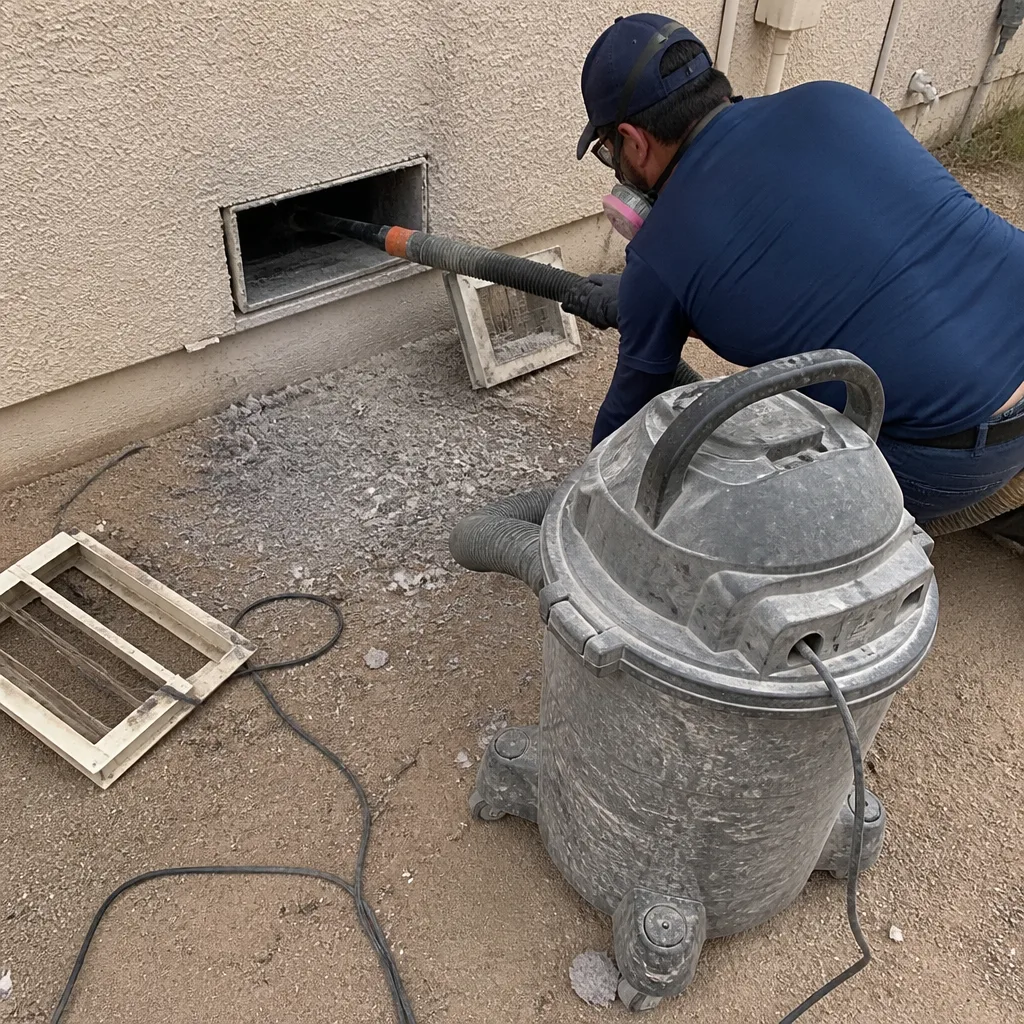 Before
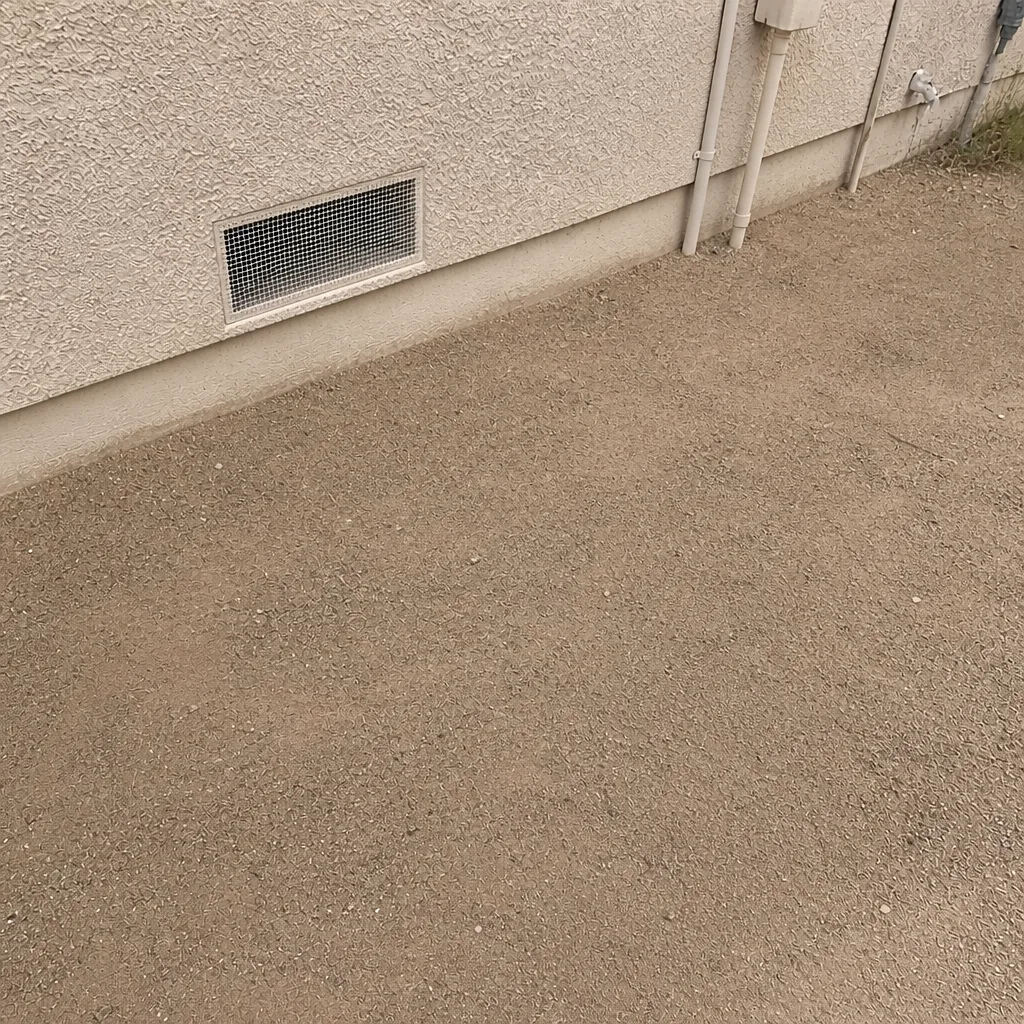 After
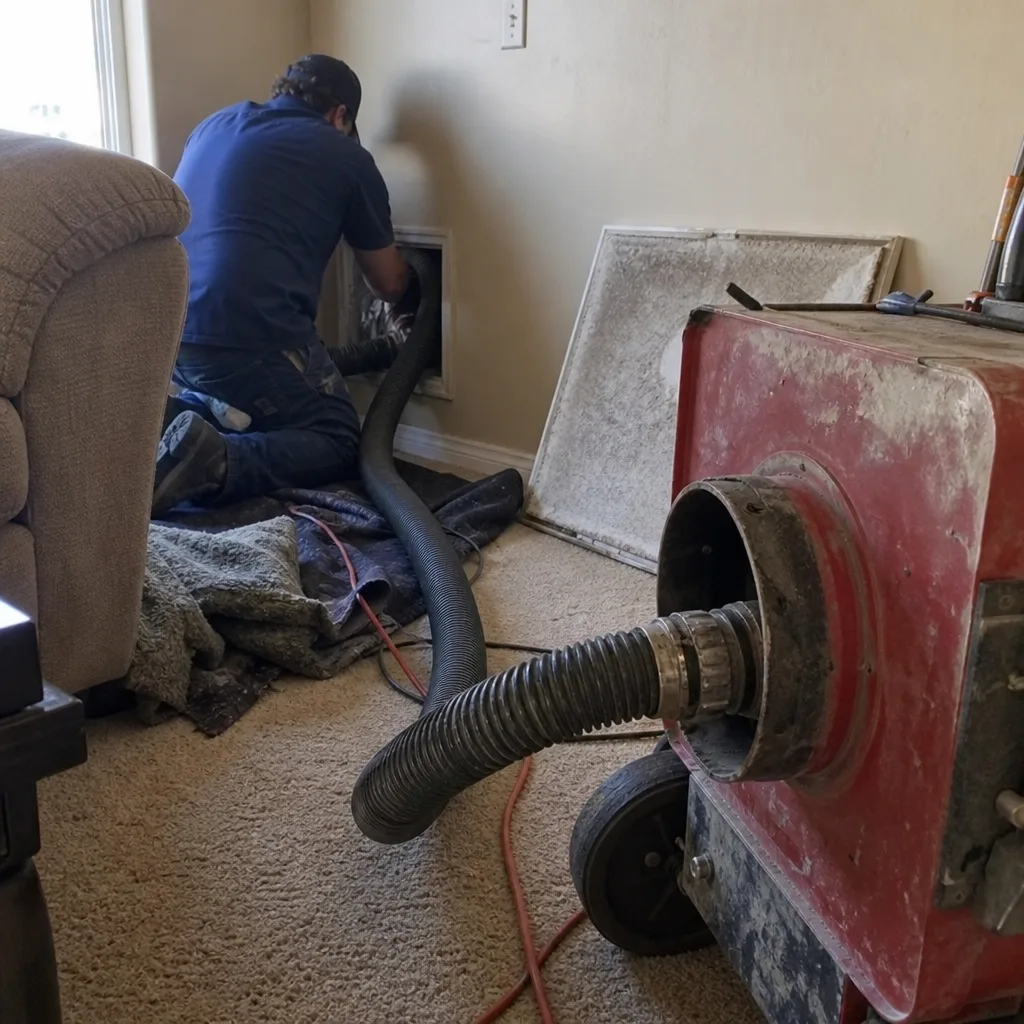 Before
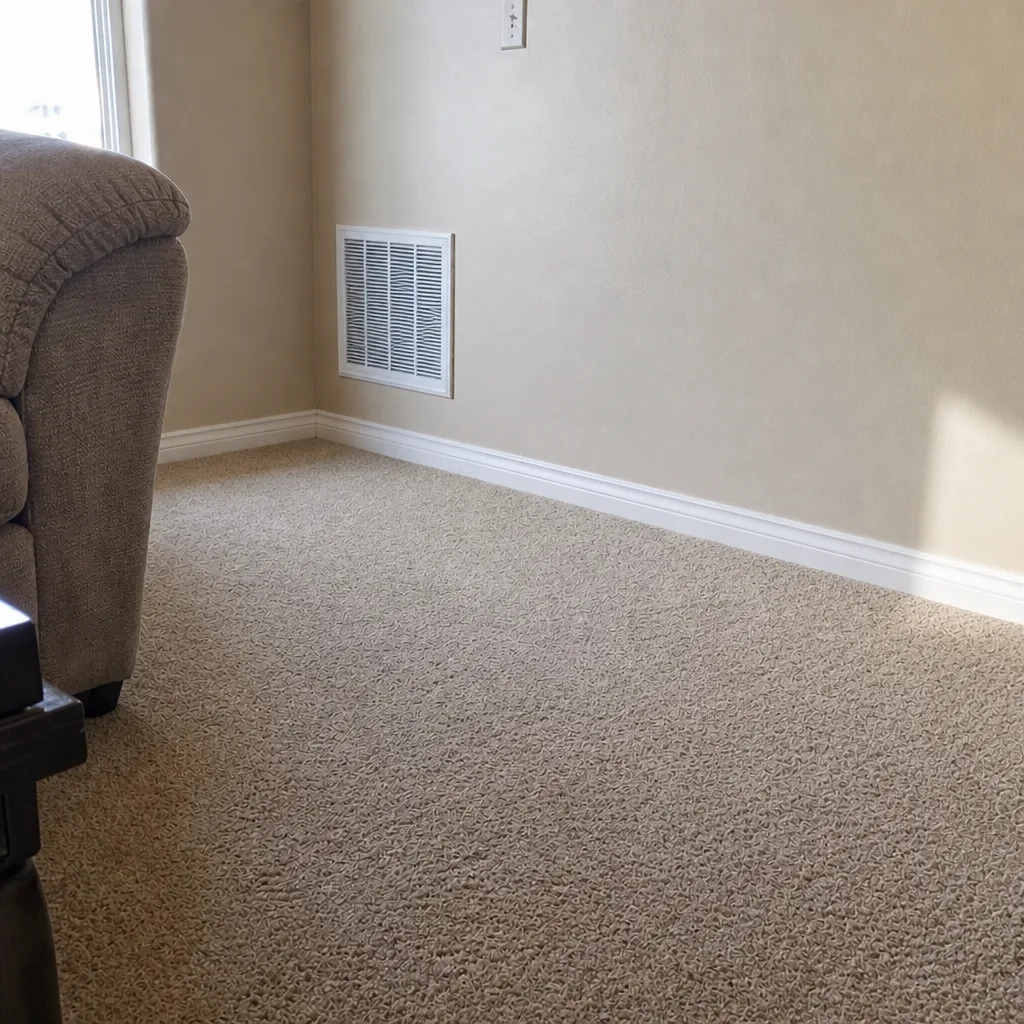 After
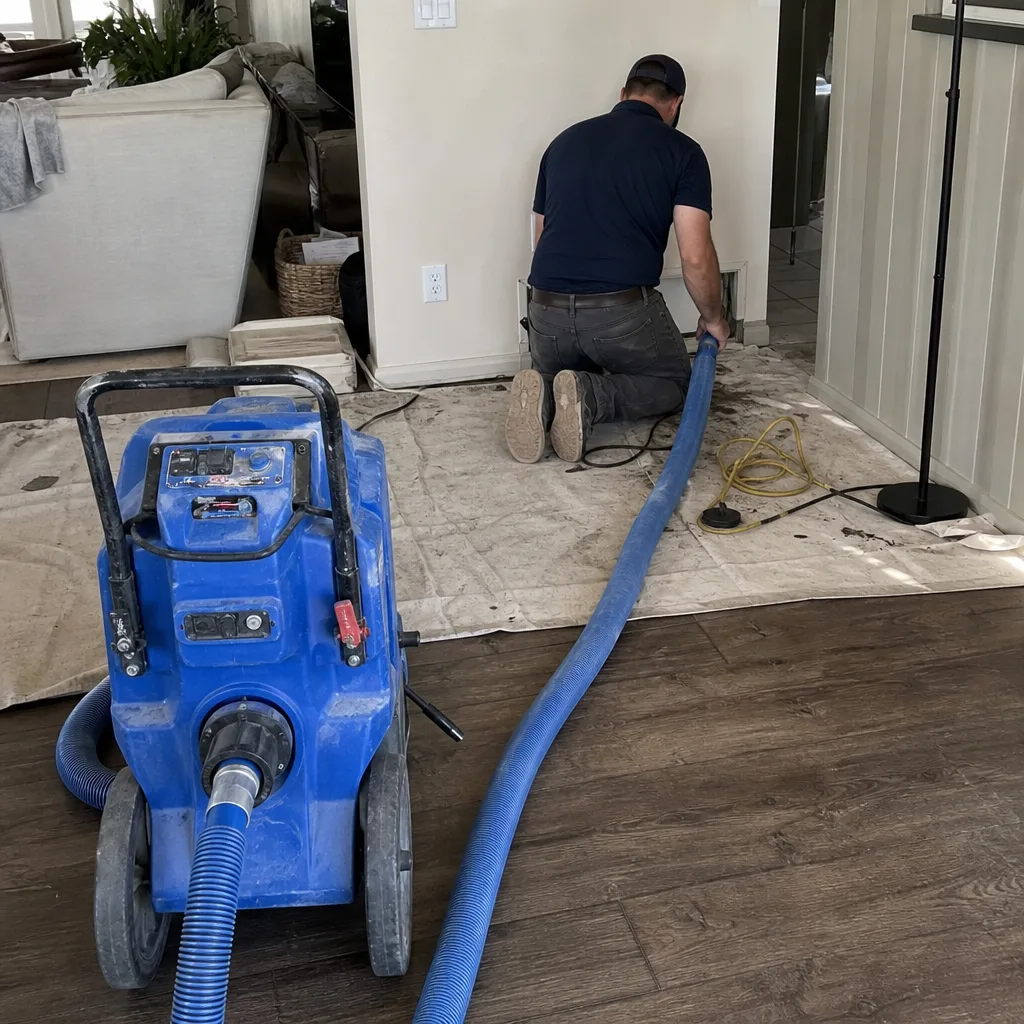 Before
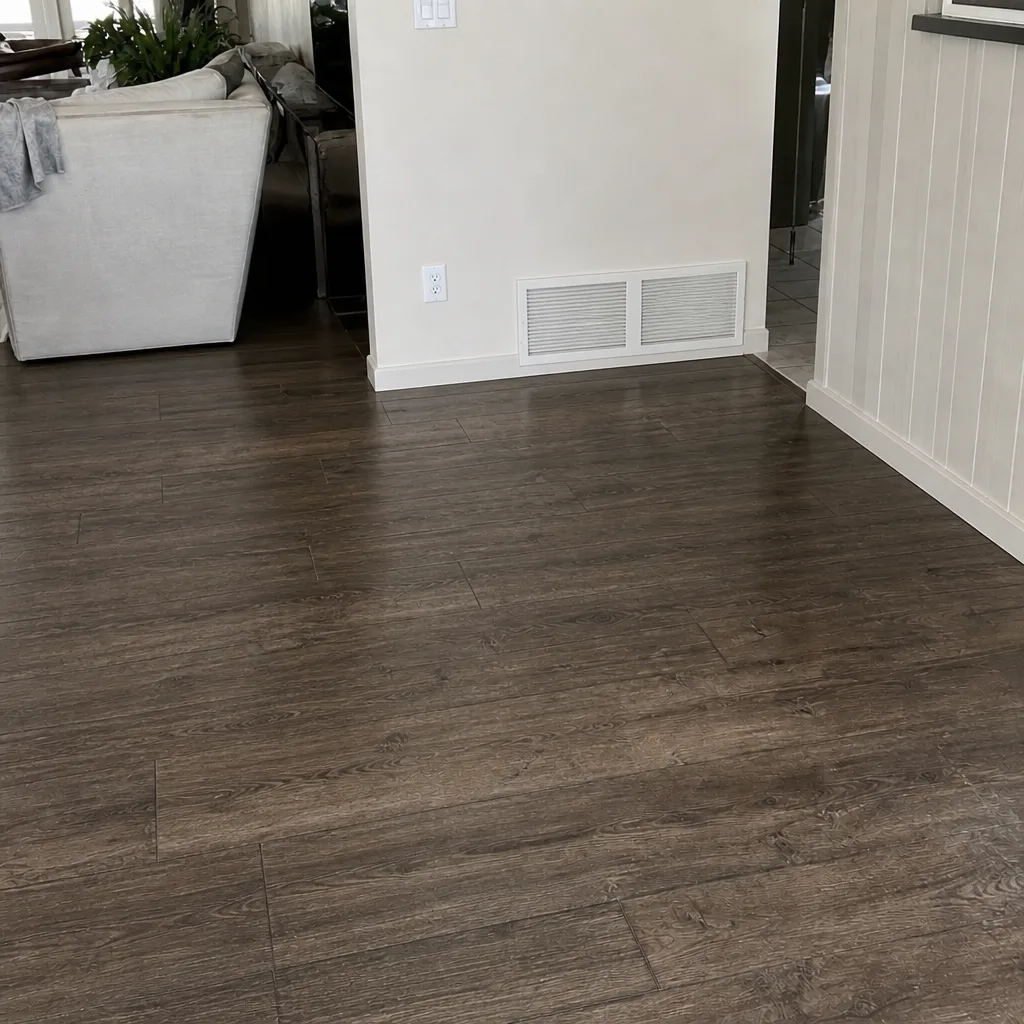 After
When to Call a Professional
Call a professional when your observations point past maintenance into intervention: a filter that loads far faster than it used to, dust returning to every register within days, visible accumulation inside ducts, uneven airflow that’s persisted for weeks, a new musty smell when the system runs, or duct damage you’ve found during inspection. Also call after a major renovation or a significant dust storm that pushed particulate through the home. Duct Cleaning Buckeye offers free estimates in Buckeye; call (866) 361-5107. We answer 24/7. Fast dispatch from 7am to 7pm, Sunday through Friday. Our technicians have up to 14 years of experience, and we come with the equipment the job actually needs.
Frequently Asked Questions
Most Buckeye homes benefit from professional air duct cleaning roughly once every few years, but the right interval depends on your system and environment, not a fixed number. Homes near construction, with pets, or with allergy-sensitive occupants often land closer to that near-term end, and a dust storm or renovation can reset the clock entirely. Track filter loading rate; if it’s steadily climbing, cleaning is due.
Because the 90-day number assumes a mild climate where the system takes breaks through spring and fall. In Buckeye, the air conditioner runs almost continuously through summer, so it moves far more air through the filter in the same span. Check the filter monthly and replace it whenever loading is visible.
Run through the post-haboob checklist: check supplies and returns for fresh dust, replace a visibly loaded filter, inspect air handler cabinet seams and accessible attic duct runs, and note how quickly dust returns to surfaces near the vents. If you find multiple signs at once, book professional cleaning rather than waiting for the annual pass.
Ask for before-and-after photos of your own ducts and insist on a clear rundown of what was found and what was cleaned. On a proper job, professional equipment physically agitates and extracts debris, so you’ll see the difference in the photos and in how the system performs afterward. Trust the visible record, not just the invoice.
Sometimes, and it depends on the cause. Uneven airflow can come from blocked or damaged ductwork, a crushed flex run, or a closed or undersized branch. Cleaning opens the pathway, but if the actual problem is a damaged or disconnected run, it needs repair. That’s why we handle Air Duct Repair alongside cleaning.
Dryer vents need attention on their own cycle, and they should be on your checklist regardless. Dryer vent buildup is a leading cause of house fires, and the lint accumulates steadily with every load. A dedicated dryer vent cleaning belongs in your annual pass, not as an afterthought.
The Bottom Line
A duct maintenance checklist for Buckeye isn’t about following a national template. It’s about a system that works nearly year-round, in an environment that sends fine dust through every gap and imbalance, and about reading your own equipment as the best gauge of what’s happening. Check the filter monthly, inspect registers and the air handler quarterly, run a post-haboob pass after every dust storm, and document what you find so patterns emerge. When loading rates climb, when dust won’t stay away, or when you find duct damage, call a specialist. We clean, we inspect, and if we find damage, we fix it. From cleaning to repair, one specialist handles the whole job.
Call (866) 361-5107 for a free estimate. We answer 24/7. Fast dispatch from 7am to 7pm, Sunday through Friday. Duct cleaning, dryer vent cleaning and duct repair are all in scope, and the written estimate sets the price before any work begins.
Written by the team at Duct Cleaning Buckeye.