
Last updated November 15, 2026
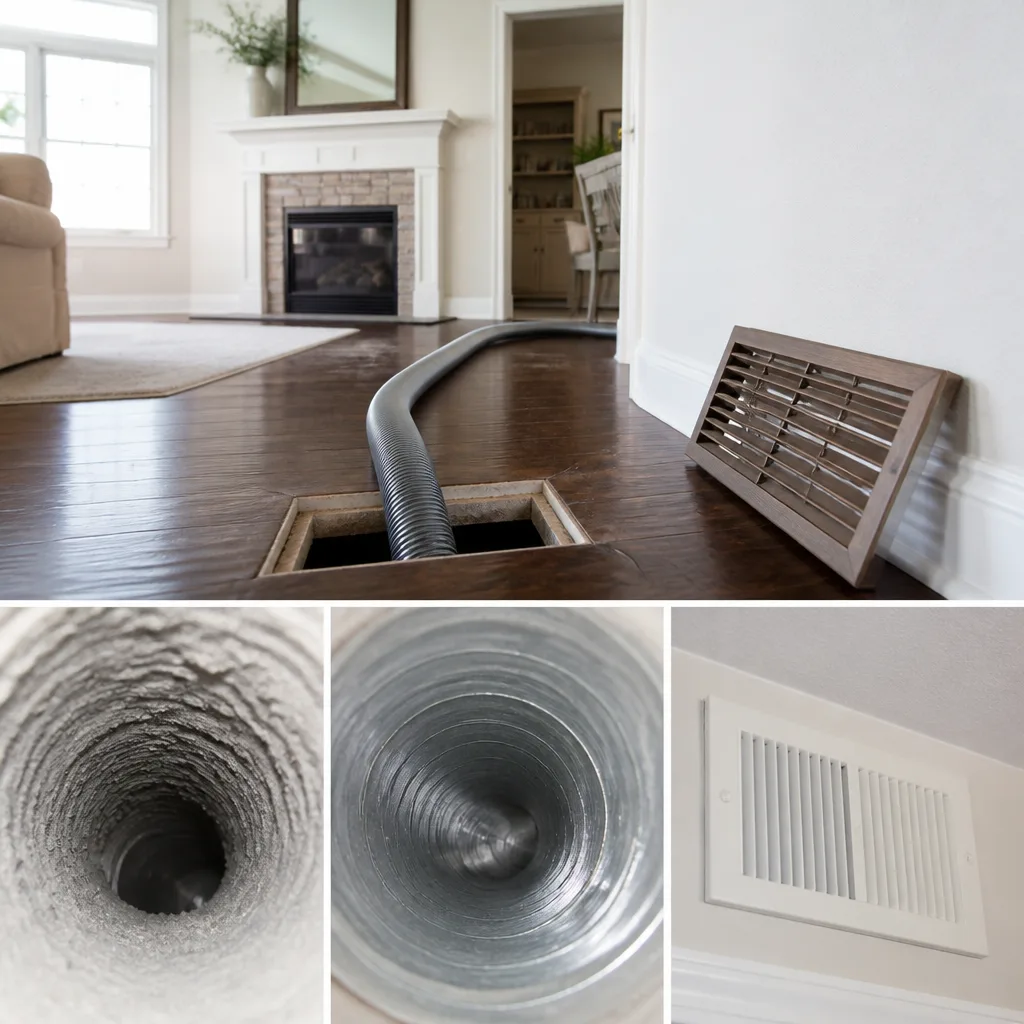 Whole-home duct cleaning
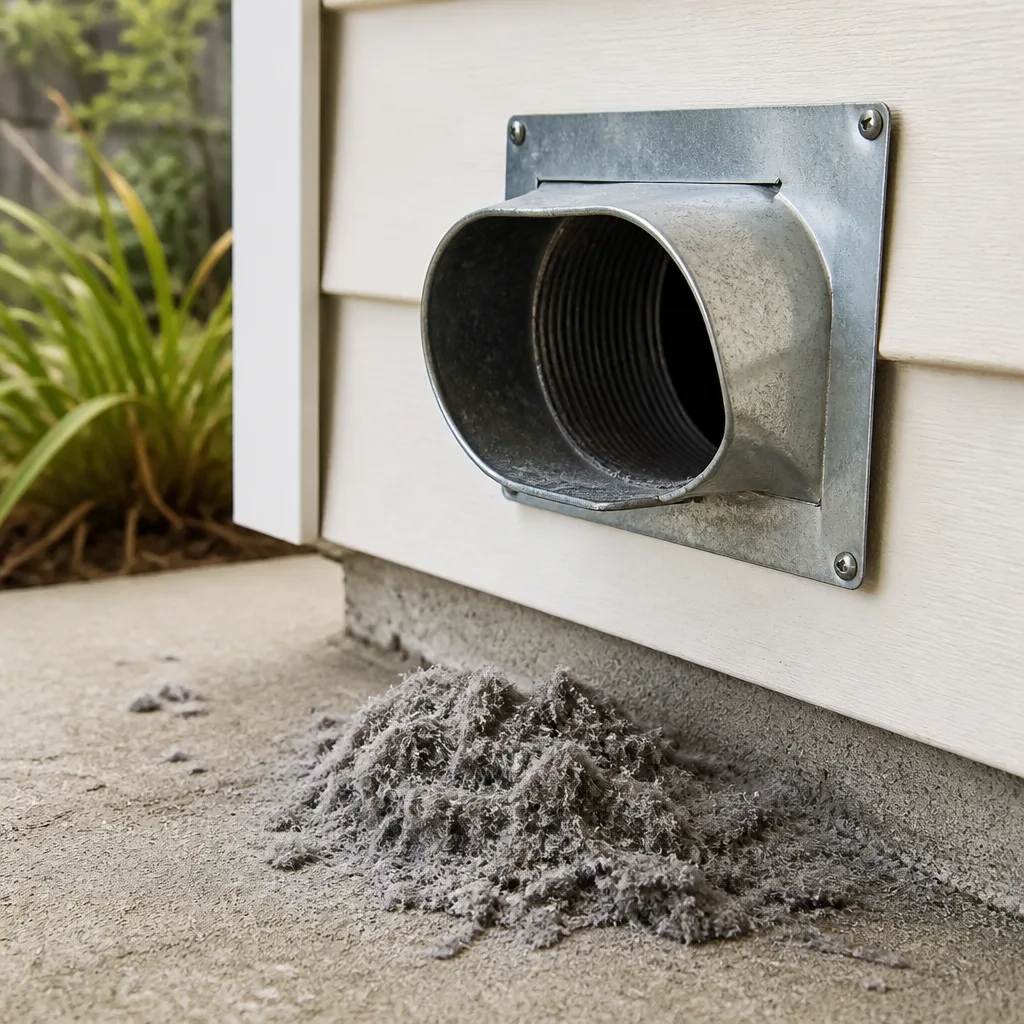 Dryer vent cleaning
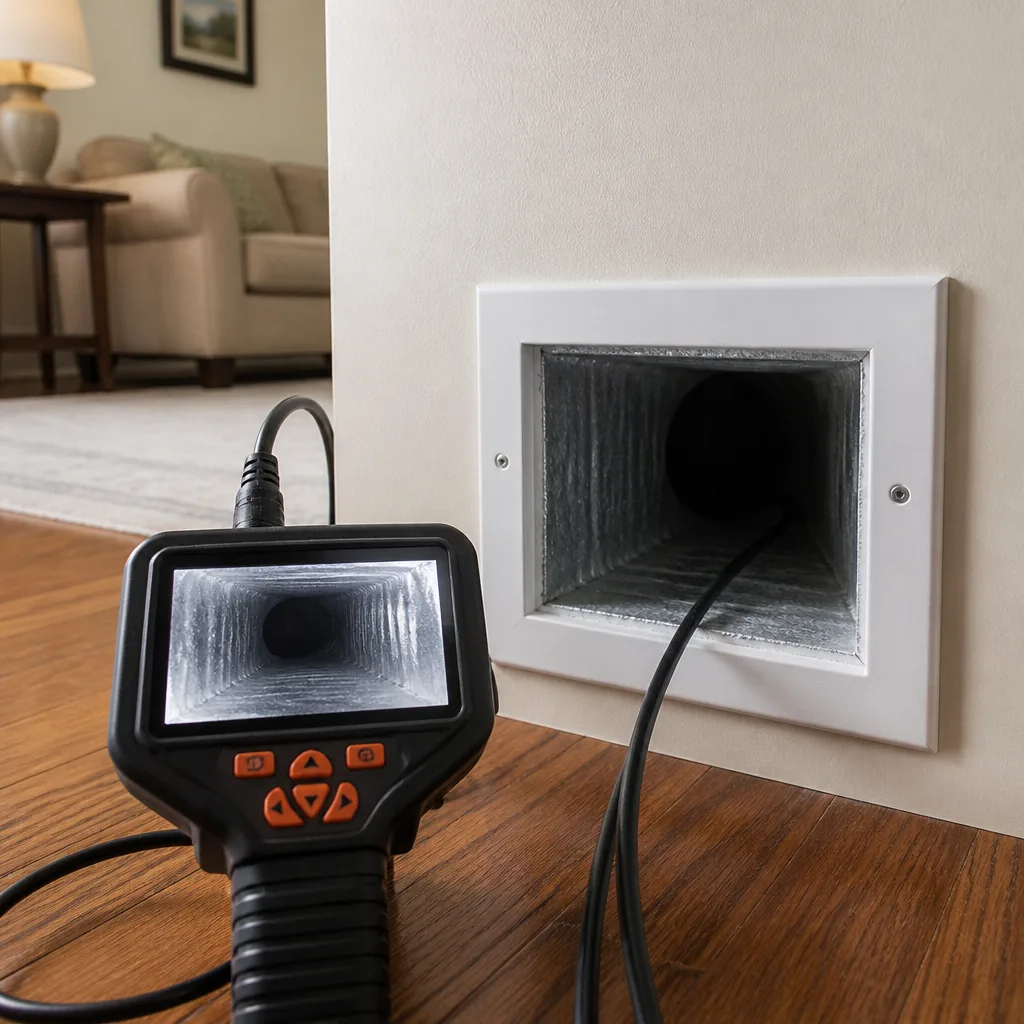 Camera inspection
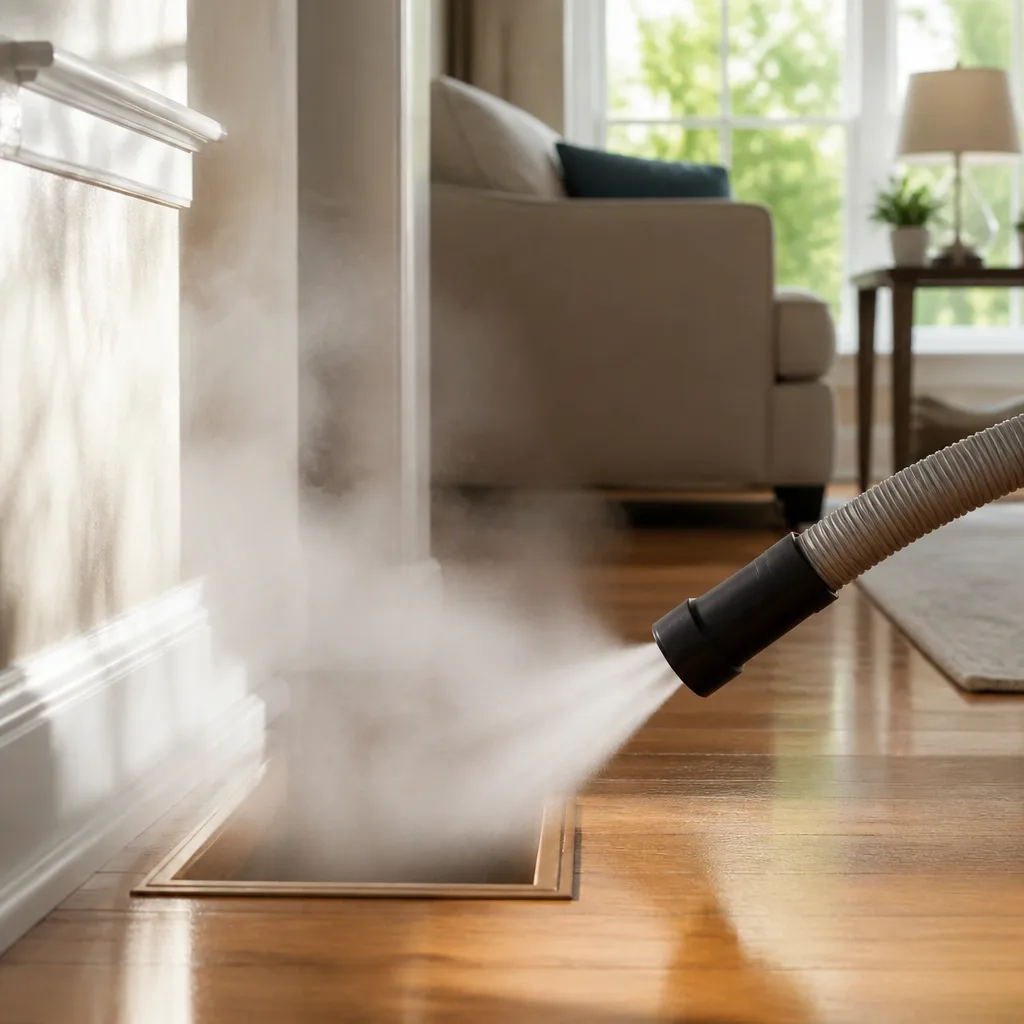 Sanitizing & deodorizing
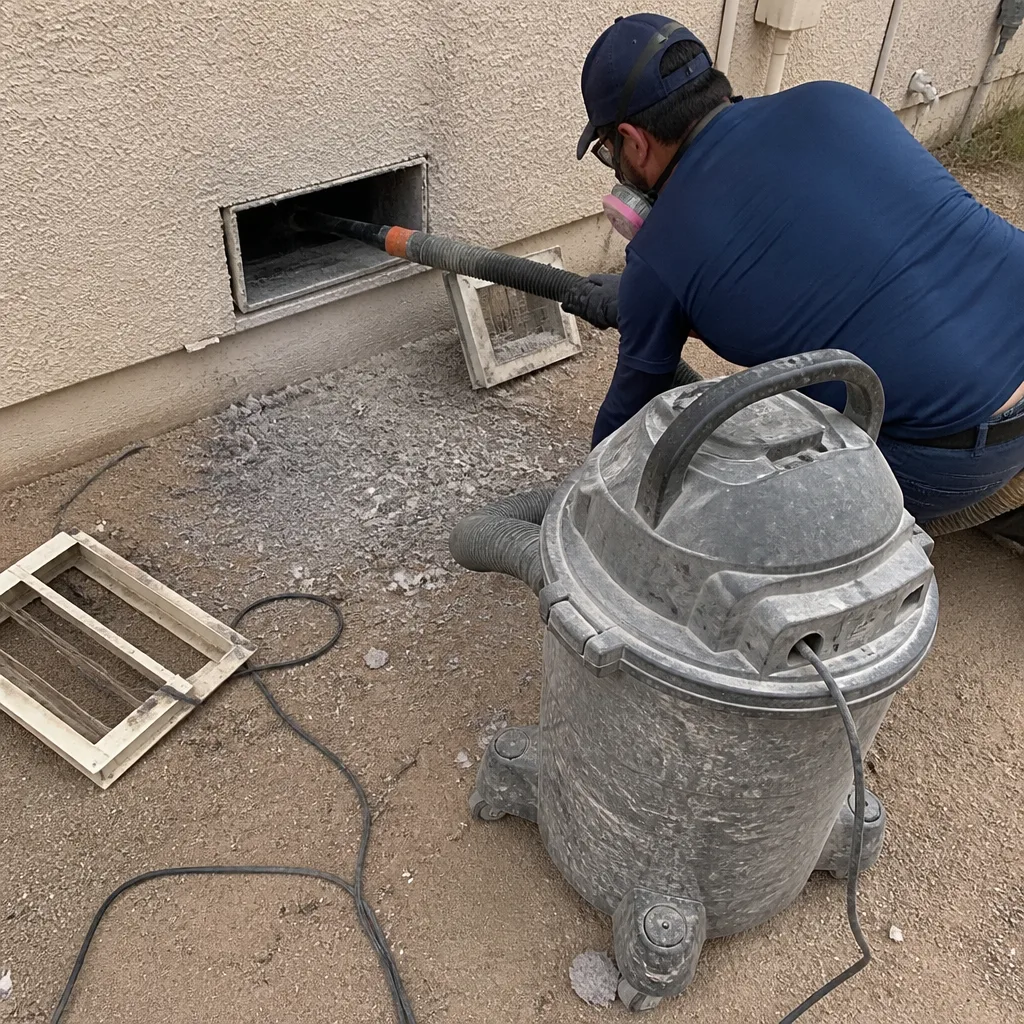
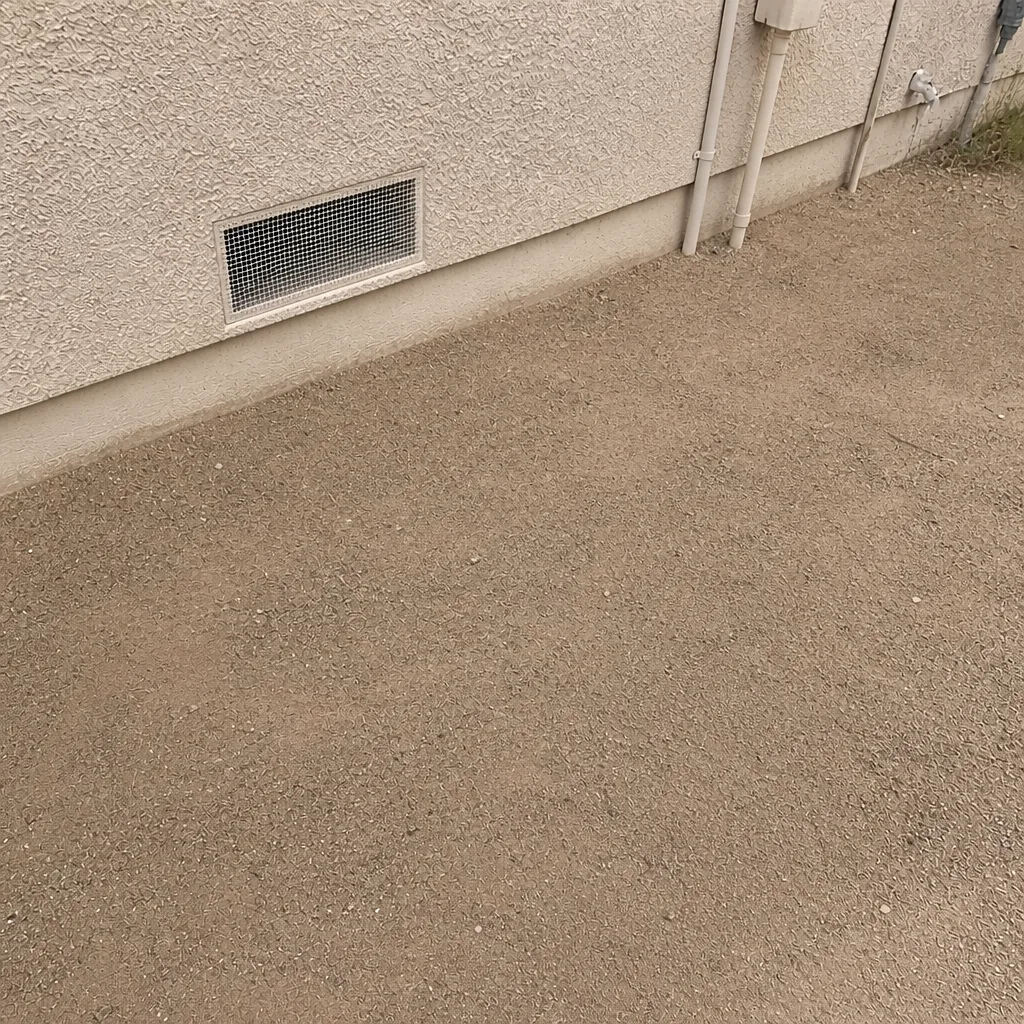
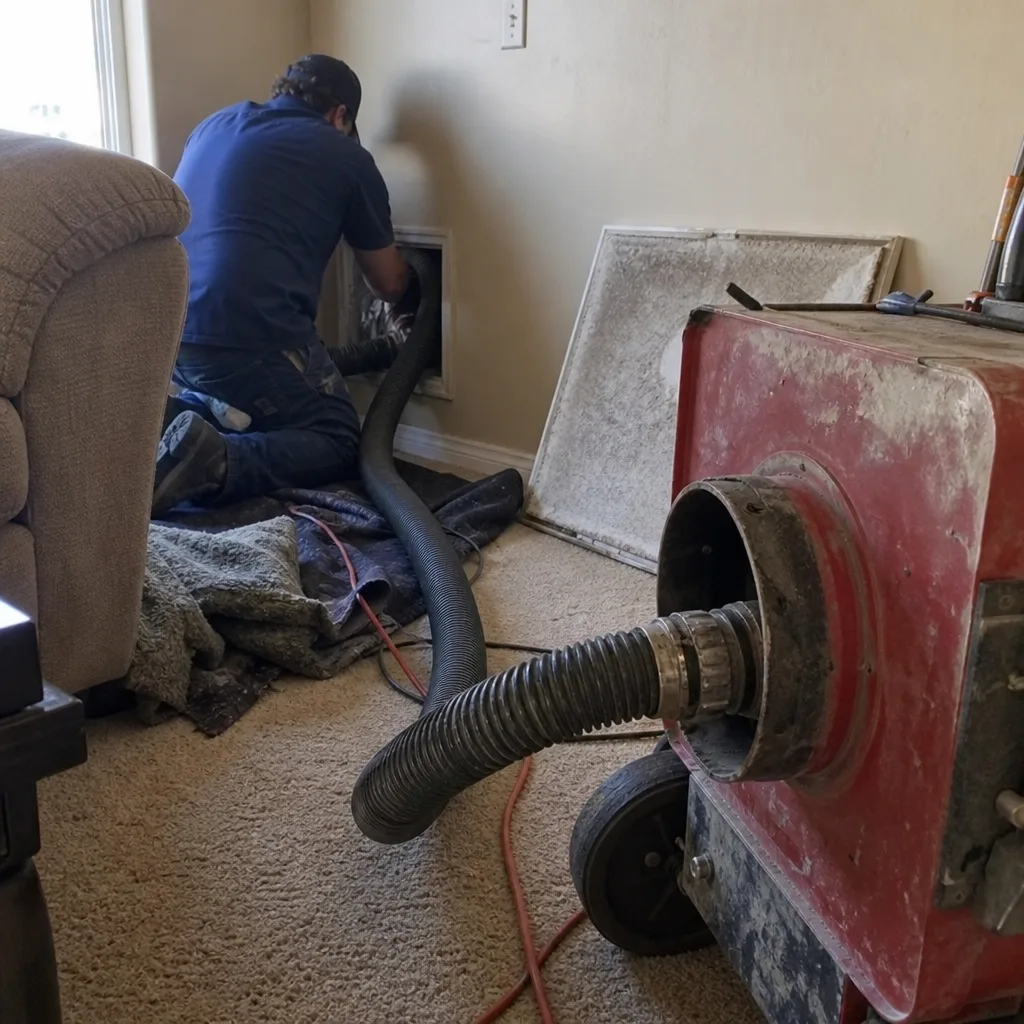
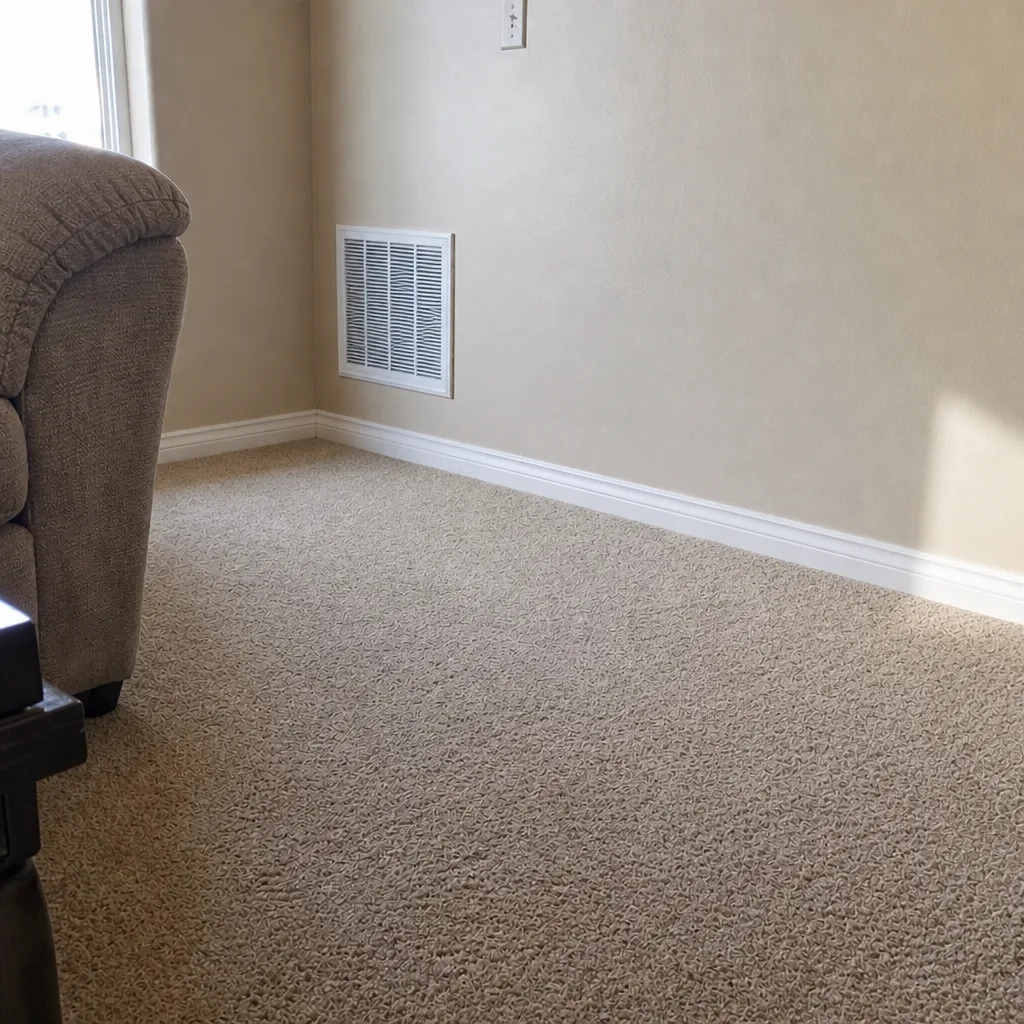
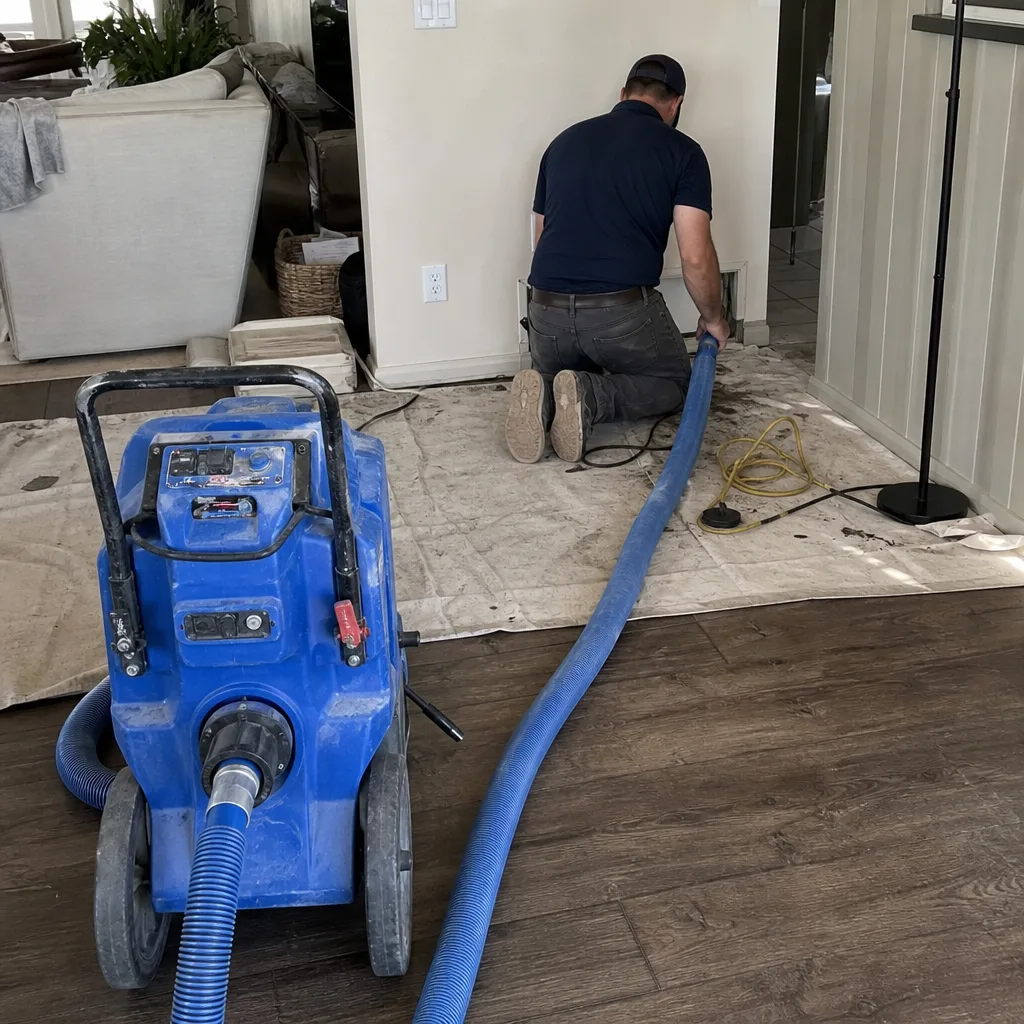
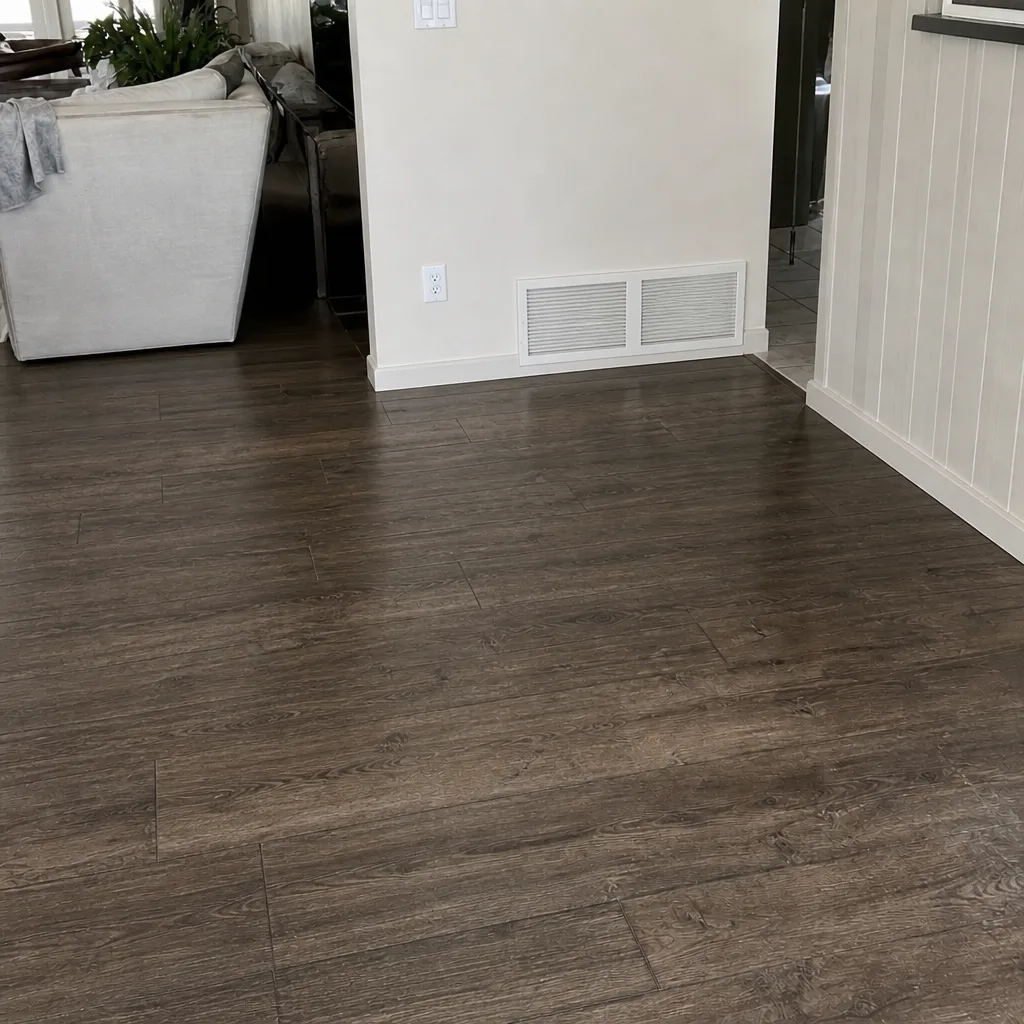
Whole-system duct and dryer vent check with before-and-after photos - you see exactly what came out of your vents
That "$99 whole-house special" is a bait ad - the real number appears once they are in your hallway, or the "clean" is a shop-vac at the register. We photograph the inside of your ducts before and after instead.
Seasonal Air Duct Cleaning Care for Buckeye: Year-Round Homeowner’s Guide
Telling a Buckeye homeowner to “get the ducts ready for winter” borrows advice from a climate that doesn’t exist here. Buckeye doesn’t run four equal seasons. It runs a long, punishing cooling season, a monsoon and dust-storm window, a short shoulder period when the system finally rests, and a brief heating stretch. Each phase stresses ductwork in a different way, and each one asks something different of you. This guide walks through all four, explains what to check before each transition, and shows how register airflow tells you when something’s wrong between cleanings.
Quick Answer
Air duct cleaning in Buckeye works best on a seasonal rhythm rather than a fixed yearly date: inspect before the cooling season in April, check returns after monsoon storms from July through September, schedule a full professional cleaning in the October to November shoulder window when demand drops and the system is idle, and watch for odors when the heat first kicks on in December. Between cleanings, uneven register airflow is the earliest sign of duct restriction.
Styles & brands we work with
- Whole-home duct cleaning
- Dryer vent cleaning
- Camera inspection
- Sanitizing & deodorizing
Table of Contents
- Why Buckeye’s Seasons Aren’t Four Equal Quarters
- April: What to Inspect Before Full Cooling Load
- July to September: The Monsoon and Haboob Window
- October to November: The Best Window for Professional Cleaning
- December to February: Why the Furnace Surfaces Old Odors
- Register Airflow as Your Year-Round Early Warning
- When Cleaning Finds Damaged Ductwork
- Building a Simple Seasonal Checklist
Why Buckeye’s Seasons Aren’t Four Equal Quarters
Most seasonal maintenance advice assumes a Northern climate where heating dominates. In Buckeye, cooling does. The air conditioner here runs far more hours a year than the furnace, which means the return side and supply side of your ductwork carry heavy, near-continuous airflow through the hot months and almost nothing through the shoulder and heating stretches. That imbalance matters because a duct system doesn’t wear evenly. It wears where the air moves, and here the air moves hardest from late spring into early fall.
We frame the year in four practical phases rather than the calendar’s four seasons:
- Pre-cooling season (April): the system is about to shift to full-time cooling. Inspect before it does.
- Monsoon and dust-storm window (July through September): fine particulate challenges the returns.
- Shoulder season (October and November): demand falls, the system idles, and cleaning is easiest on everyone.
- Heating season (December through February): the brief furnace run can surface smells that built up all summer.
Buckeye sits in the Sonoran Desert west of Phoenix, in a fast-growing corridor of newer homes and established neighborhoods. New construction and ongoing development mean dust is a constant, and the region’s famous dust storms are a real annual event rather than a novelty. A seasonal plan that ignores any of those phases leaves a gap. A plan built around them keeps the system breathing cleanly all year. That’s the premise behind everything below, and it’s the same reasoning we bring to every duct job we take on across Buckeye.
April: What to Inspect Before Full Cooling Load
April is the calm before the load. The long cooling run is about to start, and whatever is sitting in the ducts, on the blower, or on the evaporator coil will be pushed through your home for months. A short inspection now saves trouble later. You’re not cleaning anything yet; you’re establishing a baseline so you can tell what changed by the time the heat arrives.
Here’s the pre-season inspection we recommend, in order:
- Blower and cabinet. With the system off, look for visible dust buildup around the blower compartment. A lightly dusty cabinet is normal. A thick, matted layer signals a deeper cleaning is due.
- Evaporator coil. A dirty coil struggles to move cool air efficiently. You don’t need to open the coil itself, but a technician check is smart if you’ve never had one.
- Return filter baseline. Note the filter’s condition and the exact date you installed it. Write the date on the edge if it helps. This baseline tells you how fast your particular home loads the filter.
- Register airflow snapshot. Stand at each register with the system running and note whether the airflow feels strong, medium, or weak. Keep those notes. You’ll compare against them all year.
If your home uses a Honeywell or Aprilaire filter or air-quality setup, that’s the moment to confirm the filter is the right size and seated properly. Both brands are common in American homes, and mismatched or poorly seated filters let bypass dust straight into the system. If the snapshot in step four shows a room that’s already weak, that’s an early warning worth following up before the cooling season makes it worse. For a deeper look at what a full cleaning involves, see our air duct cleaning page.
July to September: The Monsoon and Haboob Window
Buckeye’s summer storms and the dust walls that ride in ahead of them are the hardest test your return ducts face all year. The problem is the fine stuff: the particulate small enough to slip past a filter, lodge in return duct seams and joints, and accumulate there. Return ducts operate under negative pressure, meaning they pull air in. Any gap in a return connection pulls dusty air from inside a wall cavity or attic right into the airstream, and monsoon dust gives it plenty to pull.
After a significant storm or a visible dust event, do four quick checks:
- Look at the return grilles. A fresh film of dust on a return grille you cleaned recently is a sign the system is pulling more particulate than usual.
- Check the filter sooner. After a heavy dust event, pull and inspect the filter rather than waiting for the calendar. If it’s loaded, change it.
- Listen for whistling. A whistle at a return grille or a seam can point to a leak the storm made obvious by forcing more air through a gap.
- Note any new weak spots. Compare register airflow to your April snapshot. Rooms that dropped from strong to medium are telling you the return side or a supply run has picked up restriction.
Because fine dust settles slowly, this window is about catching accumulation early rather than reacting to visible dirt. We use Abatement Technologies filtration equipment on our jobs specifically because desert particulate demands serious capture, not a shop-vac and a hose. If a storm leaves you wondering whether a cleaning is due, a free estimate during the season is cheaper than guessing. You can also call our team on our Buckeye page for a straight answer on scheduling.
October to November: The Best Window for Professional Cleaning
If you clean your ducts once a year, October and November are the window that makes the most of it. Here’s why. Cooling demand has dropped, so you’re not shutting off the system during peak heat. The house is comfortable, the system is largely idle, and scheduling is easier because most homeowners haven’t started thinking about it yet. You’re cleaning after a full cooling season and monsoon window, so the accumulated load is at its annual high, and you’re doing it before the brief heating stretch when the furnace circulates whatever’s left.
A professional cleaning in the shoulder window gives you the most return for the money. If you’ve cleaned once and want a rhythm, this is the one date to anchor to. For the full picture of what a proper job entails, our main Duct Cleaning Buckeye page lays out the equipment and process.
What a real cleaning should include:
- Source removal, not just air movement. Professional-grade Rotobrush and Nikro systems physically agitate the duct surface and extract the loosened debris. Blowing air through and calling it cleaning is not the same thing.
- Every trunk and branch touched. The main trunk lines and the branches feeding each register should all be addressed, not just the easy runs.
- Containment at the source. Negative-pressure containment keeps loosened particulate from settling back into the home. That’s where filtration equipment earns its keep.
- Before and after documented. A professional job should leave you with photos of your own ducts, not a generic brochure. That’s how you know the work was actually done.
December to February: Why the Furnace Surfaces Old Odors
When the furnace first cycles on for the heating stretch, some Buckeye homeowners notice a faint smell through the registers. Odors coming from the vents on first heat aren’t a mystery. Debris baked into supply ducts through a full summer of dust and heat can carry a smell that the cooling system didn’t push into the house as noticeably. When the furnace runs, its warmer air can lift those odors into the rooms. The fix is usually cleaning, not masking.
The brief heating period is also your second chance to spot problems the cooling season masked. A few things to watch:
- A musty or dusty smell on first heat. Points to debris or organic buildup in the supply side. Cleaning is the answer; air fresheners are not.
- A burning or metallic smell that doesn’t fade. That’s a furnace service issue, not a duct issue, and it calls for a qualified HVAC technician.
- Weak heating airflow in specific rooms. If a room heats poorly now but cooled fine in summer, a supply run or a register may be restricted. Compare register airflow again.
If a smell persists through several heat cycles, call us for an inspection rather than living with it. We clean, then we inspect, and if we find damage, we fix it. That’s the sequence we follow because cleaning without checking for compromised ductwork often misses the real cause. A Guardsman or similar inline filtration component, if your system has one, is also worth a look at this point; a clogged section can both smell and block airflow.
Register Airflow as Your Year-Round Early Warning
Between scheduled cleanings, how do you know whether a duct problem is developing? Register airflow consistency is the single simplest indicator you can track without any equipment. Your system should deliver roughly even airflow to comparable rooms. When one register goes noticeably weaker while the others hold steady, that change usually signals restriction: debris buildup in a branch, a leak pulling air from a cavity, or a partially collapsed or disconnected run.
Here’s the simple habit that pays off:
- Snap your baseline. With the system running, place your hand at each register and note strong, medium, or weak. Write it near your filter’s install date.
- Check monthly. Repeat the same pass once a month. It takes a couple of minutes.
- Compare. If any register drops a full level while the rest hold, investigate. Don’t wait for the smell or the cool room to tell you something’s wrong.
Consistent airflow is also a comfort story, not just a maintenance one. Warm or cool rooms that never match the rest of the house often trace back to ductwork that’s under-delivering air. Keeping the ducts clean and sound is how you keep every room the temperature you set on the thermostat. When the pass turns up a genuine drop, that’s your cue to have the system looked at rather than to push the thermostat higher.
When Cleaning Finds Damaged Ductwork
Cleaning is also the moment you’re most likely to discover duct damage. Seams that have opened, joints that were never properly taped, flexible runs that have kinked or come loose, or sections crushed under attic insulation all show up under inspection. Left alone, a leak in the return side pulls dusty air into the airstream, and a leak in the supply side dumps conditioned air into the attic or wall cavity instead of into the room.
That’s why we offer air duct cleaning and duct repair as part of one job. Most duct specialists clean and leave; if a problem surfaces, the homeowner has to find a separate contractor. We handle both, so leaks and disconnections found during cleaning can be repaired before the cleaning is even complete. It saves you a second scheduling round and prevents re-contaminating freshly cleaned ducts through a leak that’s still open.
Signs to flag for repair rather than just cleaning:
- Register airflow that’s weak in one room and strong everywhere else.
- Visible separation at joints where you can reach them.
- Dust streaks or dark staining around a register or grille.
- Excess dust in one part of the house, or a single room that gets dustier than others.
If you’re not sure, an inspection settles it. Call (866) 361-5107 for a free estimate and we’ll tell you straight whether you’re looking at cleaning, repair, or both.
Building a Simple Seasonal Checklist
Here’s the whole thing as one usable plan you can put on the fridge:
- April – pre-cooling baseline. Inspect blower and evaporator cabinet. Install a fresh filter and date it. Take your register airflow snapshot.
- July through September – watch the returns. Check return grilles and the filter after any significant storm or dust event. Repeat the register pass monthly. Note new weak spots.
- October and November – schedule the professional cleaning. Book the full duct cleaning in the shoulder window. Have the ducts inspected while they’re cleaned, and repair any leaks found.
- December through February – heat-season eye. Pay attention to smells on first heat. Confirm heating airflow matches the summer snapshot.
- Every month – track airflow. One quick pass at the registers, compared to the April baseline, keeps you ahead of restriction.
We’ve seen this rhythm keep Buckeye homes breathing cleanly with no guesswork. If you’d rather not track it yourself, book the one guaranteed touchpoint in the shoulder window and let everything else flow around it. Our dryer vent cleaning service fits the same seasonal logic – the annual deep cleaning is the anchor, and the monthly check is the safety net.
Common Mistakes to Avoid
- Applying a Northern-climate schedule to a desert home. Buckeye’s cooling load dwarfs its heating load, so timing cleanings and inspections to a Northern winter calendar misses the stress that actually matters. Anchor to the shoulder window instead.
- Cleaning before the monsoon ends. If you clean in July and then a dust storm rolls through in August, you’ve spent the money before the heaviest load. Wait until October.
- Assuming a fresh filter solves duct buildup. A filter catches only what reaches it. Debris already settled in returns and branches stays put, and it feeds forward all cooling season.
- Ignoring a single weak register. One room that stops keeping up is the earliest, cheapest-to-fix sign of restriction. Ignoring it until the room is unusable costs more.
- Using a shop-vac on the ducts. A shop-vac has no containment and no agitation, and it mostly stirs up particulate you then breathe. Real extraction requires the professional systems and filtration we use.
- Skipping the post-clean inspection. Cleaning without checking for damage leaves the same leaks open. Always have the ducts inspected while they’re exposed and accessible.
- Treating the dryer vent like an afterthought. Lint buildup in the dryer vent is a leading cause of house fires, and the vent gets the same seasonal neglect as the ducts. Check it in the same shoulder window.
See the difference
 Before
 After
 Before
 After
 Before
 After
When to Call a Professional
Call in when a register drops a level and holds for more than a month, when dust streaks appear around a grille, or when a room won’t keep up with the rest of the house. Call in after a significant monsoon or dust storm if the return grilles show fresh accumulation or an airflow check reveals new weak spots. Call in when first heat brings a persistent smell from the vents through several cycles. And call before the cooling season if you’ve never had a full cleaning or can’t remember the last one. Duct Cleaning Buckeye offers free estimates in Buckeye. Call (866) 361-5107. We answer 24/7. Fast dispatch from 7am to 7pm, Sunday through Friday. Our technicians have up to 14 years of experience, and the written estimate sets the final price per job.
Frequently Asked Questions
Once a year, timed to the October to November shoulder season, is the right rhythm for most Buckeye homes, because that’s when the accumulated load from cooling season and monsoon dust is at its peak and the system is idle enough to clean without comfort disruption. Homes with pets, recent remodeling, or heavy dust exposure may benefit from a check mid-season too. Call (866) 361-5107 for an exact quote; estimates are free.
Yes. Haboobs and monsoon dust bring fine particulate that slips past filters and accumulates in return ducts, especially where return seams leak under negative pressure. That’s why post-storm checks of the returns are part of the annual rhythm here. Call (866) 361-5107 for an exact quote; estimates are free.
Debris baked into supply ducts through the cooling season can release odor when warmer furnace air moves through it. Cleaning the supply side is usually the fix. A burning or metallic smell that doesn’t fade is different – that’s a furnace service issue. Call (866) 361-5107 for an exact quote; estimates are free.
Pricing is per system, quoted by written estimate after we see the setup, because duct layouts and sizes vary so widely. We don’t quote per vent and we don’t bait with a low teaser number that grows once we’re on site. You get one flat price per system agreed before work starts, plus before-and-after photos of your own ducts. Call (866) 361-5107 for an exact quote; estimates are free.
Cheaper quotes often mean a thinner job: no source agitation, no containment, or a sweep past the registers that doesn’t reach the trunks and branches. Professional cleaning uses equipment that physically loosens and extracts debris, which costs more to run than a hose and a shop-vac. One flat price per system agreed up front is how you compare fairly. Call (866) 361-5107 for an exact quote; estimates are free.
You should see photos of your own ducts before and after, not generic marketing images. A company serious about its work documents the specific system it cleaned and the condition it found. That documentation and clear containment are the signs to look for. Call (866) 361-5107 for an exact quote; estimates are free.
The Bottom Line
Buckeye’s year isn’t four equal seasons. A long cooling load, a monsoon and dust-storm window, a short shoulder period, and a brief heating stretch each stress your ductwork differently. Build your year around that: a pre-cooling baseline in April, storm checks in July through September, the professional cleaning in the October to November shoulder window, and heat-season odor awareness in December through February. Track register airflow monthly against your baseline. Clean, then inspect, and repair anything found while the system is open. Duct Cleaning Buckeye handles cleaning, repair, and dryer vent safety under one provider, with professional-grade equipment and free estimates in Buckeye.
Ready to get on the right rhythm? Call (866) 361-5107 for a free estimate. We answer 24/7. Fast dispatch from 7am to 7pm, Sunday through Friday.
Written by the team at Duct Cleaning Buckeye.